
That Time I Slept in a Swiss Train Station

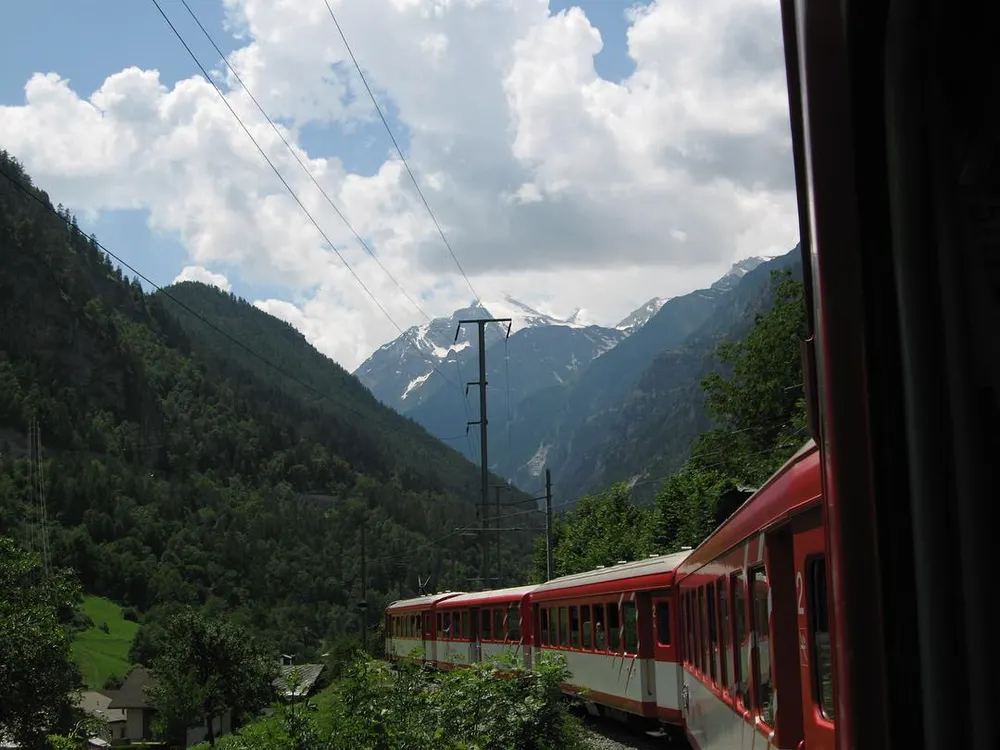
There was a time when I slept on a cold train station floor, purely trusting one writer’s word.
Back in 2009, long before smartphones ruled our lives, backpacking meant staking your entire fate on a single pocket-sized guidebook. A flimsy paper map folded in the back, a handheld compass, and a few scribbled sentences from an author were the only guides you had in a foreign land.
I still vividly remember shivering through the night on the concrete floor of a Swiss train station. The guidebook author had proclaimed that sleeping rough in a train station was a romantic rite of passage for young travelers. (He even claimed Swiss stations were so pristine and warm that sleeping there was completely fine.) Naive as I was, I took his word for it and curled up on a freezing wooden bench.
Romance? Not a chance. The Alpine chill seeped straight into my bones. To make matters worse, locals passing by hurled racist sneers throughout the night. I lay there shivering, clenching my teeth in sheer fury and betrayal.
“How could someone write something so completely irresponsible?”
I found myself wondering if the author had ever actually spent a night there himself. At the same time, I hated myself for being foolish enough to blindly trust him. That was the era when countless backpackers threw themselves defenselessly into the hands of one writer's one-sided claims.
The days of navigating uncharted territory with only a weathered paper map and a compass.
That painful night eventually became the seed of my startup. I realized that what travelers truly needed wasn't a one-way lecture from a couple of self-appointed authorities in a book. I became convinced that no guide could ever rival a local living there, or a fellow traveler who had just walked that exact trail days before.

Just as Uber turned every driver into a chauffeur,
and Airbnb turned every homeowner into a host,
What if every traveler could build their own guidebook and connect their journeys with one another?
Instead of the bogus overnight tips I had suffered through, I envisioned a platform that passed down verified footsteps across time and space—from those who had walked the path to those walking it right now. With that ambitious vision, I designed a travel-logging app called groute*.
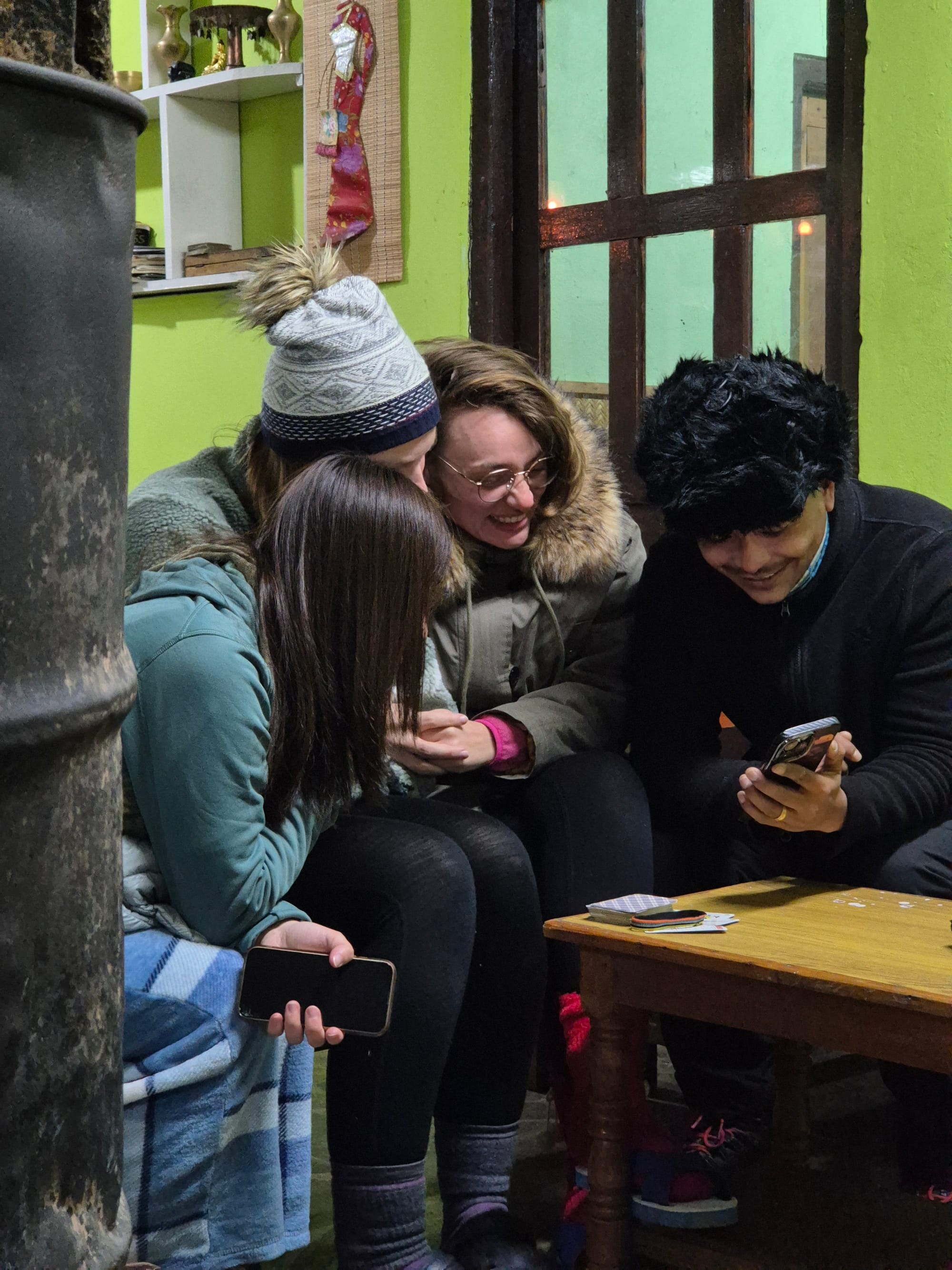
Just a month before our launch date, my developer abruptly ghosted. Disappeared without a trace.
“Come on, even if you’re vanishing, you have to hand over the codebase...”
Faced with an absurd situation, I felt like I was standing at the edge of a cliff. But just as despair was setting in, AI coding tools like Cursor were beginning to appear on the scene. Clinging to them like a lifeline, I pulled all-nighters writing code entirely by myself.** Driven by the sheer obsession to see it through with my own hands, I built the app alone and pushed it all the way to launch. Take a photo, and your route was automatically organized on a map by time and location, letting anyone easily publish and share their own living guidebook. It seemed like a foolproof hypothesis where every piece fit together seamlessly.
Reality, however, told a different story. Far from my rosy ideals, the service struggled to gain traction in the market. Just as I wondered if it was all over, I found myself traveling to the Himalayas. After trekking across rugged mountain ridges, I dumped my bags at a guesthouse, completely exhausted. As I caught my breath and settled into the common room, a surreal sight stopped me in my tracks.
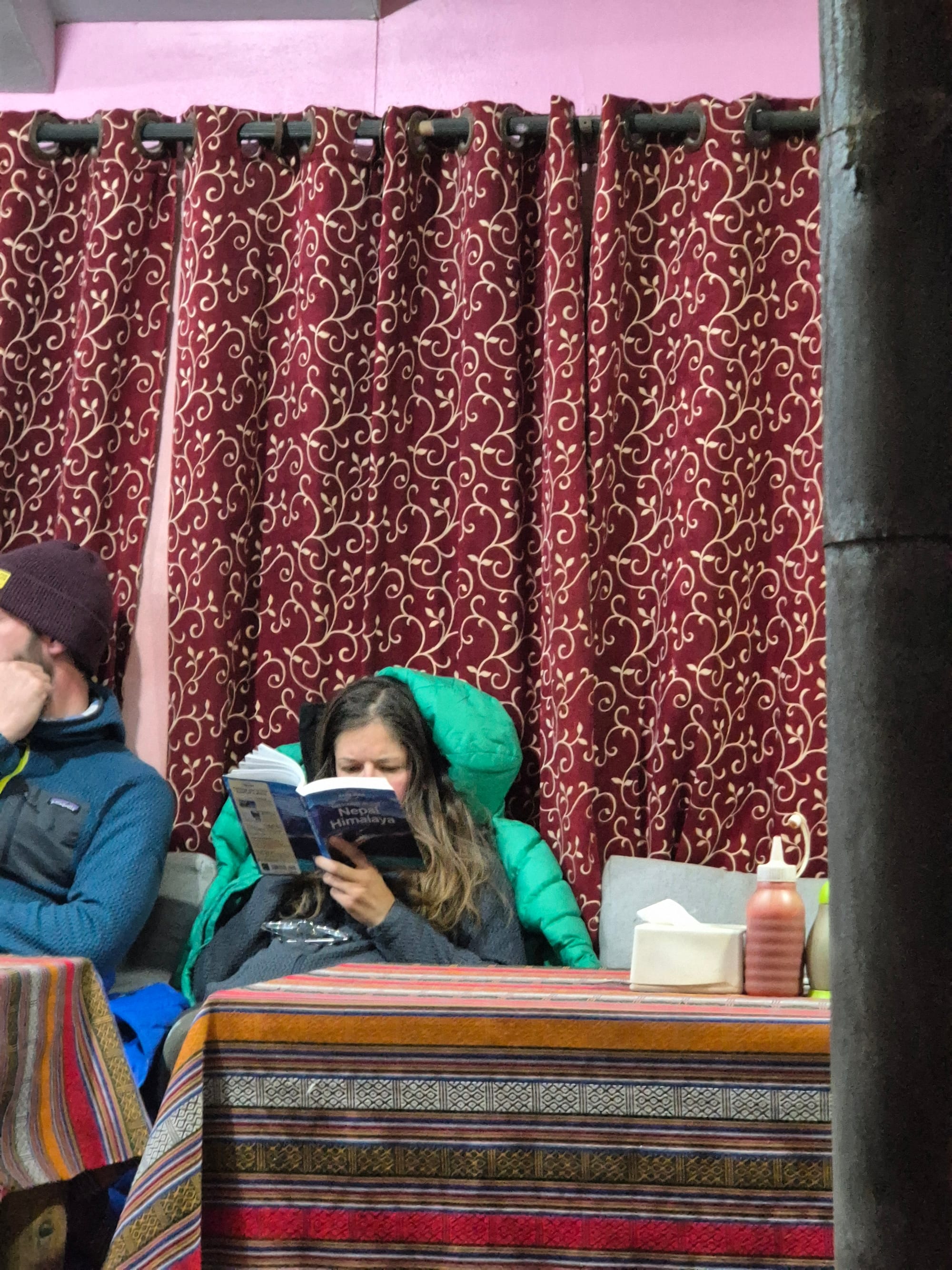
In an era blanketed by smartphones and lightning-fast networks, sitting by the wood stove in one of the most rugged places on the planet—travelers were still holding thick, worn Lonely Planet paperbacks in their hands.
My thoughts spun.
In the vacuum left by my developer, I had clung to AI, pulling tearful all-nighters to build modern technology and frictionless convenience. Yet how was a decades-old paperback accomplishing what my digital solution couldn't? Was there something fundamental lurking beneath my slick, engineered efficiency that I had completely failed to understand?
(To be continued in Part 2.)
* After returning home and enduring a long struggle, I eventually had to quietly wind down groute. I currently keep it running only in maintenance mode. If you’re curious, you can check it out here 👉🏻 groute Android App
** Surprisingly, this ordeal became the very catalyst that armed me with my most potent weapon as an AI-native builder. Life has a way of being unpredictable. You really can never tell what's just around the corner.