
C'est Bon!

Ice + Espresso
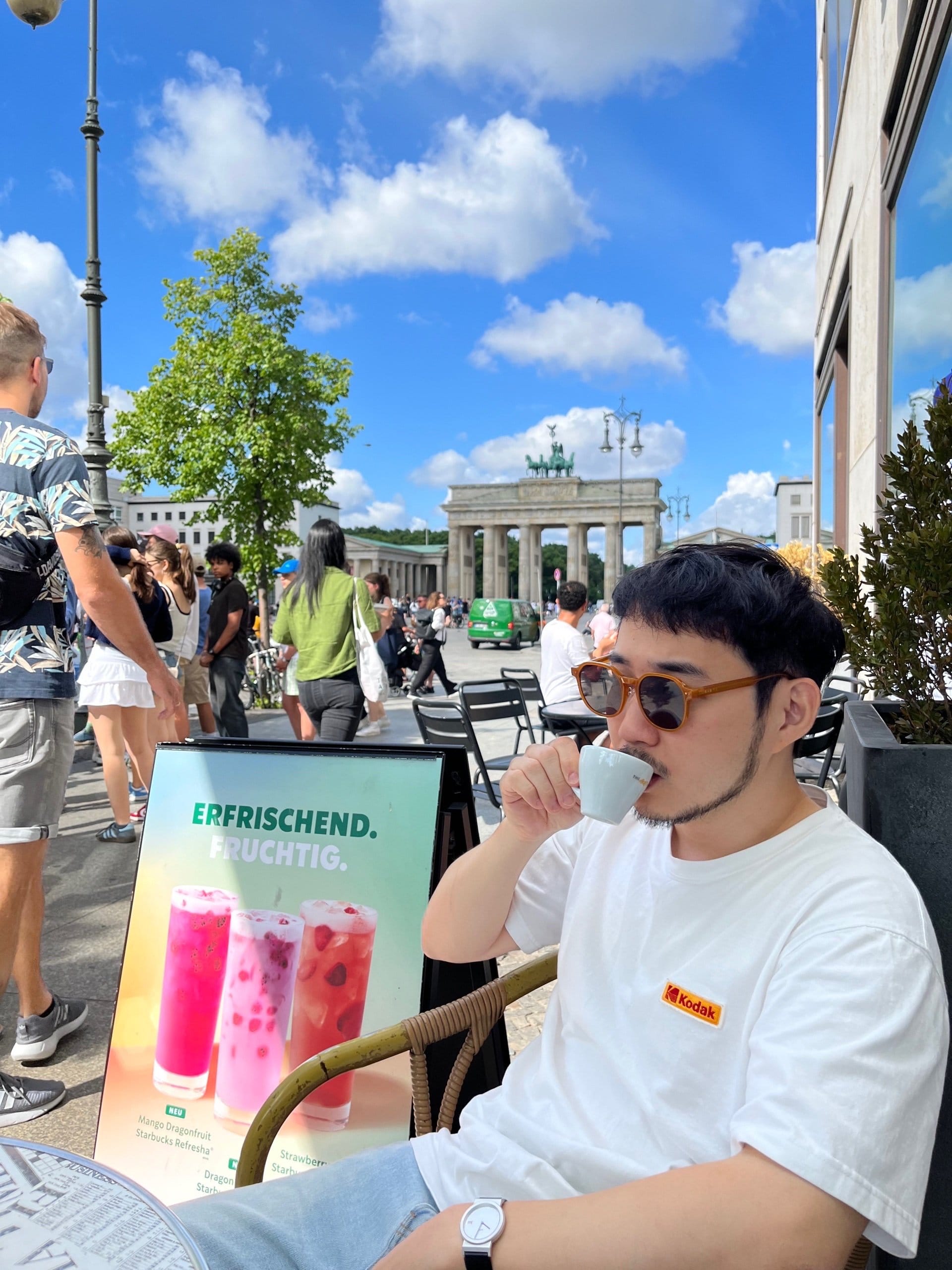
During the summer of 2019, France buckled under a historic heatwave. Shimmering heat mirages rose from the asphalt, and sweat soaked through my shirt the moment I stopped moving. The entire city felt trapped inside a preheated oven. Desperate for relief, I ducked into a street café and asked:
"Could I get an iced Americano, please?"
I will never forget the barista's expression.
He stared at me as if checking whether his hearing worked, then shook his head in slow, utter disbelief. Moments later, he clattered two things onto the counter: a glass with a few rattling ice cubes, and a large cup holding freshly pulled, steaming espresso. ‘Suit yourself,’ the silent gesture said. In France's long culinary canon, dumping ice into fresh espresso looked like pure heresy—a barbaric act diluting the very soul of coffee.
C’est Bon!
Rewind five years earlier to my graduate school lab in 2013. A senior colleague had recently initiated me into Pyongyang naengmyeon—cold buckwheat noodles in chilled, subtle beef broth. (His baffling logic was that you have to force yourself to eat it at least three times to grasp the real flavor. Today, amusingly, I preach the exact same gospel.) I became thoroughly hooked on that seemingly bland, mineral broth, hunting down heritage noodle houses several times a month.
Around that time, a visiting researcher from Paris Descartes University was spending a term in our lab. One sweltering summer afternoon, I turned to her and said, "Want to grab cold noodles for lunch?"* Her face went pale. To a Western palate, noodles meant steaming plates of pasta. In European food culture, chilled noodles suggested one thing: a dish left out too long that had gone cold.
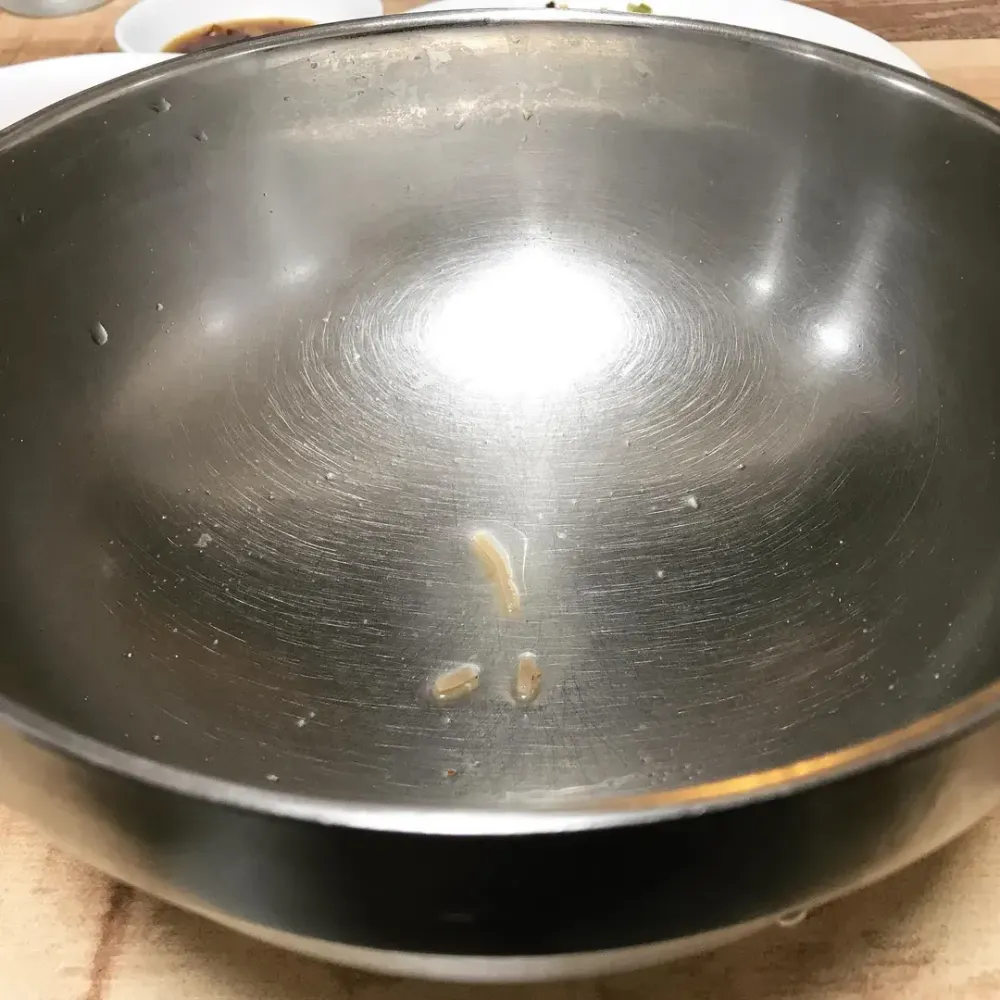
Yet when the frost-beaded brass bowl landed on the table and she took her first hesitant sip of broth, her reaction surprised me. "C'est bon!"
My worries vanished. Under the blazing Seoul heat beating off the concrete, that chilled, delicate bowl was an oasis potent enough to vaporize cultural prejudice in a single sip.
A reckless thought struck me:
'What if I moved to Paris and
opened a Pyongyang cold noodle house?'
I pictured marching straight into the stubborn capital of global gastronomy, where cold noodles were dismissed as culinary nonsense, and shattering their orthodoxy: "See? It's cold, and it's brilliant." Charging into a market that swears something is culturally impossible, putting a foreign taste in their mouths, and winning them over—looking back, perhaps that raw entrepreneurial hunger was already taking root.
Trojan Horse vs. Pure Shock
When sushi first crossed into the American mainstream in the 1970s, it ran headfirst into deep Western disgust toward raw fish. Instead of forcing raw fish down American throats, clever chefs invented the California roll: stuffing avocado and imitation crab inside, and hiding the black nori seaweed beneath a layer of white rice. By pretending to surrender to American dining habits, it became a brilliant Trojan horse that gradually pried open a multi-billion-dollar sushi market over decades.
Pyongyang naengmyeon takes the opposite stance: stubborn purism. It demands that diners endure three visits before earning the right to judge. If you brought naengmyeon to Paris, would you compromise using the vocabulary of baguettes and cheese? Or would you serve authentic buckwheat and delicate, icy broth without yielding an inch? Can any business survive when it tries to lecture customers out of their lifelong habits?
The master key to penetrating customer resistance is neither clever localized packaging nor stubborn purism. What melts cultural resistance—like Paris baking at 40°C in 2019, or Seoul melting under asphalt heat in 2013—is acute situational deficit.
When parched, primal thirst eclipses tradition and prejudice, the unfamiliar ceases to feel alien. In that moment of visceral necessity, it becomes the only solution that matters.
Building something that defies familiar cultural habits is not merely a matter of nudging taste; it means fracturing deep-seated human inertia. In that fight, acute pain points matter more than anything else. I find myself asking the same question:
What acute deficit am I solving for my customers right now?
(End.)
- Looking it up while writing this, Paris Descartes University has since merged into Université Paris Cité.