founder_naked.jpg

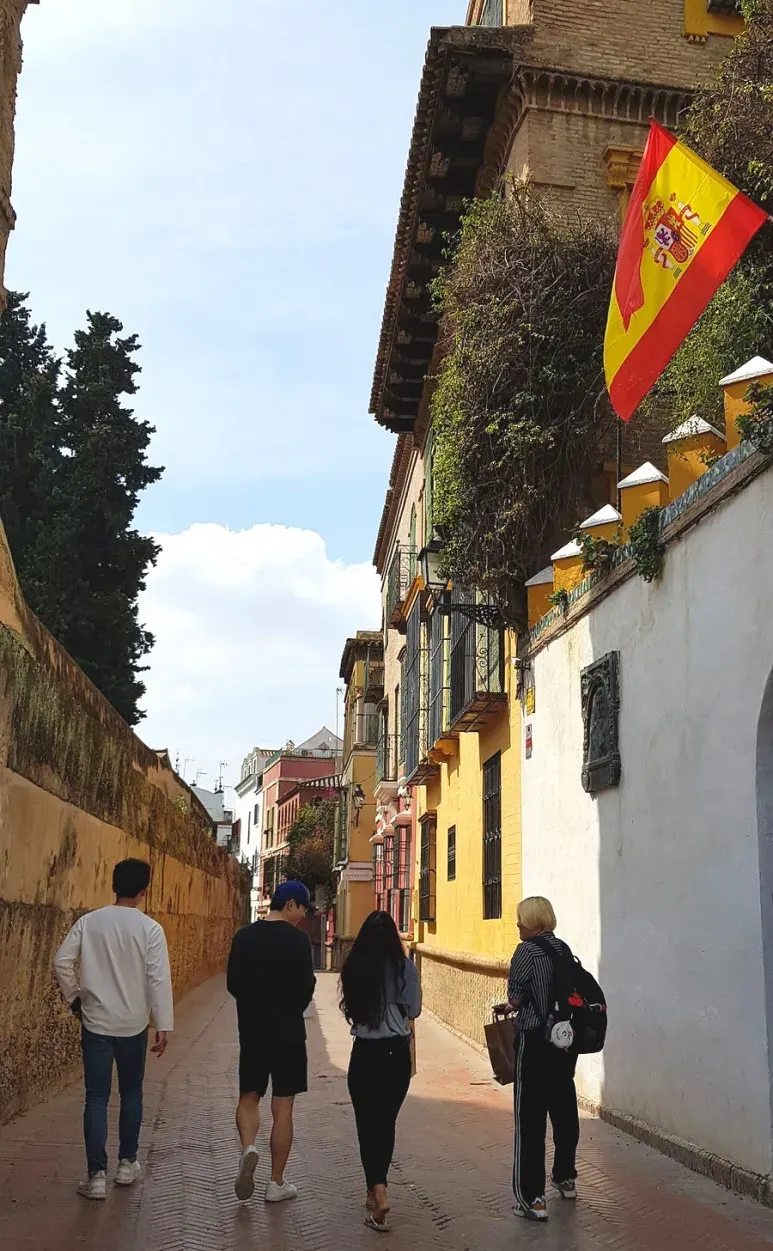
Have you ever spent hours on the phone in the middle of the night, guiding a stranger through the dark streets of a foreign city?
In everyday city life, people keep even their next-door neighbors at arm's length. They draft thick contracts, demand collateral, and lock each other into legal guardrails to hedge against risk.
Yet when the systems we take for granted grind to a halt, human nature operates on a completely different set of rules.
March 2020
The pandemic had begun locking down every city across Spain.
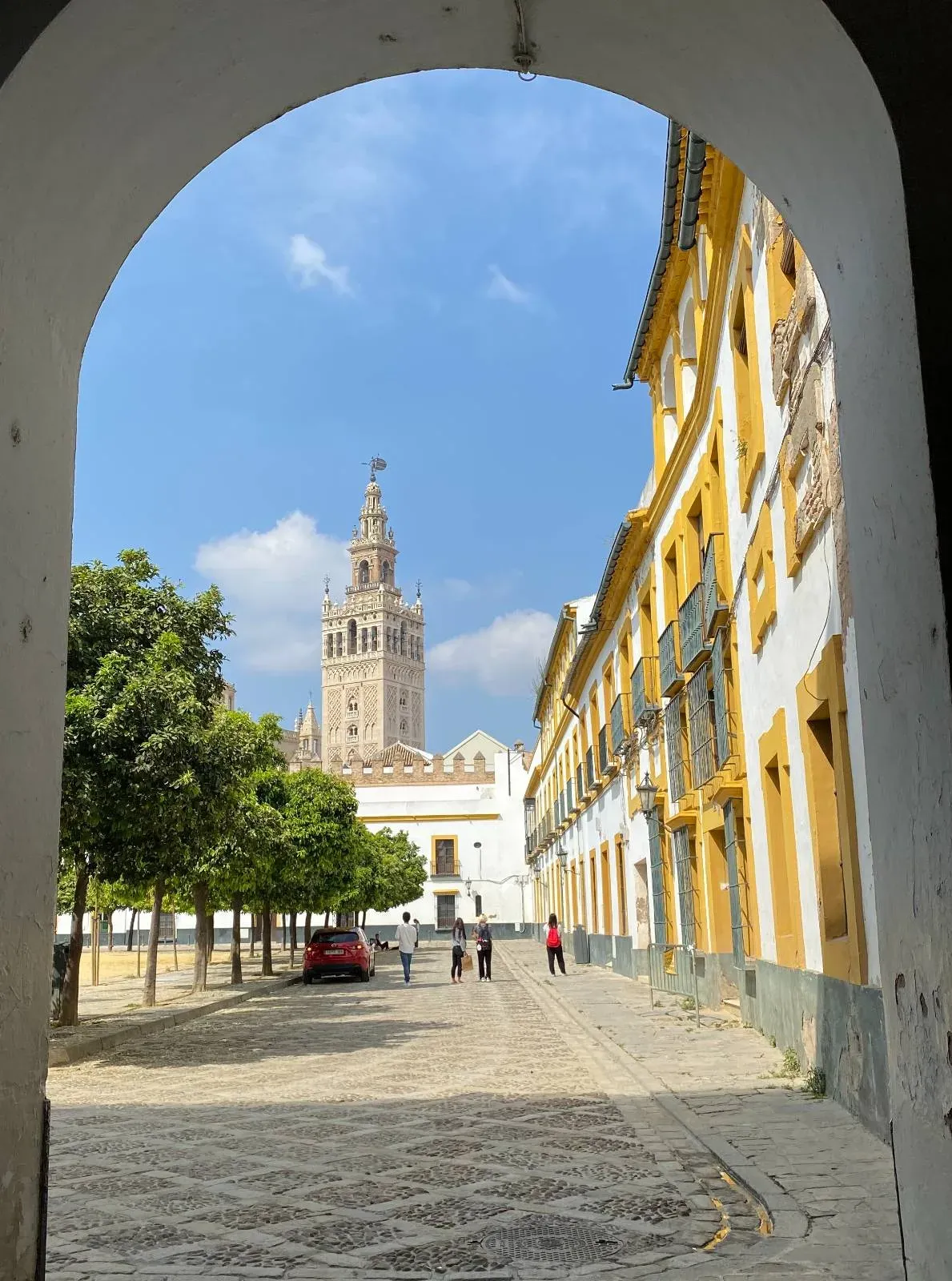
Narae, a traveler I met in Seville, missed the last train back and found herself stranded in Granada. Her phone plan ran out of data, threatening to cut her off. Night fell, her map refused to load, and panic set in.
Then I remembered something. Before she left, knowing her data was running on fumes, I had slipped her a spare SIM card that could only receive calls. "Narae! Pop in that SIM card I gave you. Incoming calls still work!"
"'...Wait, it works!'"
The moment the call went through, everyone back at the Seville hostel let out a collective sigh of relief.
Phone pressed to my ear, I pulled up Google Maps.
"Put the station behind you and walk straight to the right. It’s a long stretch."
"Got it, walking now!"
...
"What do you see right now?"
"It’s pitch-black, but there’s a big building that looks like a school."
Calling out turns and landmarks in real time, I steered her toward the Renfe station, then to a temporary gym shelter an attendant had scribbled down. It was human GPS in the dead of night.
By standard transactional logic, no legal duty or promised reward compelled anyone to spend hours guiding a stranger. It was simply looking out for a fellow traveler on the road, offered within limits I could comfortably afford. Because the favor cost little to give, it never felt like a chore—just a good memory that stays with me years later.
Solidarity in a Zero-Trust World
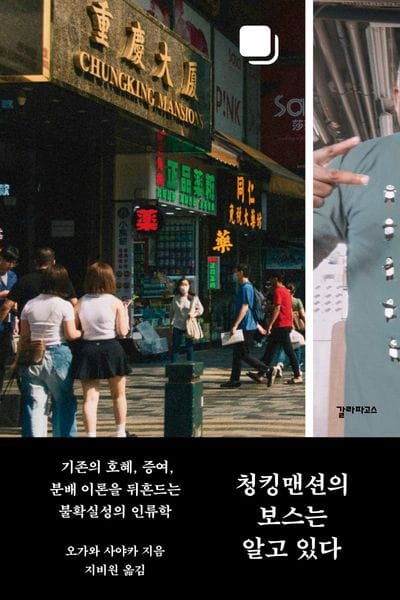
Japanese cultural anthropologist Sayaka Ogawa highlights a similar dynamic in her book The Boss of Chungking Mansions Knows. The African traders in Hong Kong’s Chungking Mansions preach never trusting a soul, yet they maintain a safety net ensuring no one gets abandoned.
Their operating principle is incidental reciprocity—doing someone a favor in passing without demanding an immediate return. You lend a hand simply because you can, trusting that when you're in a bind, someone else will do the same for you. When formal institutions and trust capital dry up, people fall back on the most flexible safety net there is: informal mutual aid.
Stripped Bare
In moments of crisis, when social status and conventional rules fall away, people drop their armor. With no room left to calculate self-interest, total strangers become capable of uncalculating solidarity.[1]
This traveler's dynamic mirrors startups. Building from zero to one offers no shield from past corporate titles or fancy pedigrees. The moment you step into the unknown, you are a first-time traveler standing alone on a dark street.
For a solo founder carrying the weight of every call, the market is ruthless. Burn rate, product milestones, mental fatigue, physical stamina—every single day throws unmanageable curveballs. On a road this harsh, feeling alone and wanting someone in your corner isn't weakness; it's a basic survival instinct.
What keeps founders going isn't a transactional network held together by NDAs and legal paper. It's loose solidarity—peers walking their own paths while lightening each other's load. Swapping lessons from painful mistakes, leaning over a peer's shoulder to help read their map during a crisis, trading small favors in passing. As those small courtesies add up, they build a reservoir of trust no contract can buy.
That's why founders go out of their way to meet, swap battle stories, and lend a hand. Surviving alone in the wild is exhausting, but knowing someone else is out there walking the same dark road gives you the stamina to keep moving.
Epilogue
If you spent today staring down the fear that your company might fail, or if the sheer isolation of doing it all alone knocked the wind out of you:
Remember that frantic night in Granada. What unlocked the way forward wasn't a formal agreement. It was an extra SIM card handed over just in case, and someone willing to stay on the phone and read a map together.
Enduring businesses are built on this kind of loose solidarity—lightening each other's load in passing. It's the reason we bring founders together to build a new tribe.
(End.)
[1] Novelist Young-ha Kim observed a similar truth in Reasons for Travel: "While traveling, we enter a state of crisis. In unfamiliar places among strangers, we have to secure food, shelter, and safety. Only the immediate present matters."