
From Shy Rookie to Star Creator: The Origin Story of Na Yeong-seok (And His Massive Broadcast Disaster)

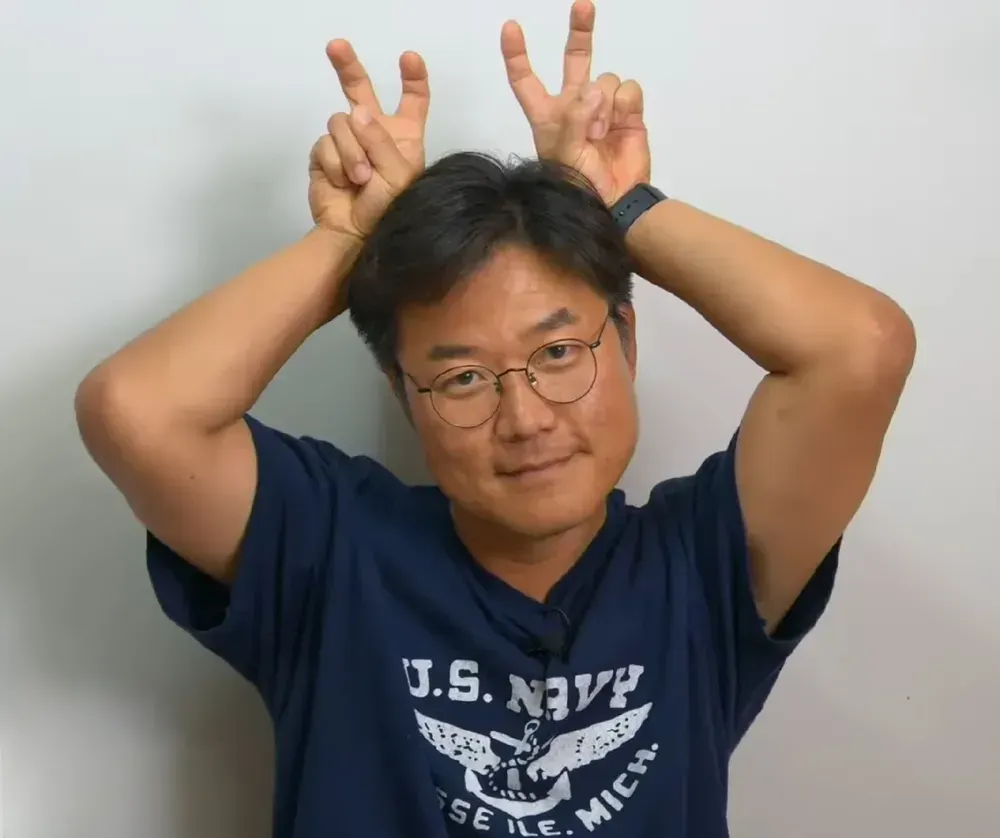
"My lack of authority and extreme shyness became my greatest weapons—they completely blurred the lines between the front and back of the camera."
May 7, 2024. The 60th Baeksang Arts Awards. For a TV director, being nominated for Best Picture or Best Director is par for the course. But one man was called to the stage as the winner of the 'Best Male Entertainer' award.
That man was none other than South Korea's star producer, Na Yeong-seok.
Stepping up to the mic, his first words were an apology. "I'm sorry," he laughed awkwardly. "It's weird enough being nominated in a category I don't belong in, but winning it makes me feel terrible." It was a first in Korean television history: a director winning an entertainer's award.
If you only saw this moment, you might assume he was a natural-born entertainer—someone who thrives in the spotlight, armed with effortless charm and a silver tongue.
"I used to be a massive outsider. I was incredibly shy."
This brief confession carries the weight of 20 years. It’s the story of a timid rookie director who felt completely out of place in the flashy world of television, shrinking away under the weight of his own introverted nature.
Today, we're retracing the steps of the man hailed as Korea's top star PD (Producer/Director). We’ll visit five pivotal moments where he felt crushed by his own shy personality.
By the end of this story, you'll realize that the personality trait you consider your biggest weakness can become your ultimate competitive edge—it all depends on the context.
1. The Shy College Kid Joins a Drama Club (Late 90s, Yonsei University)
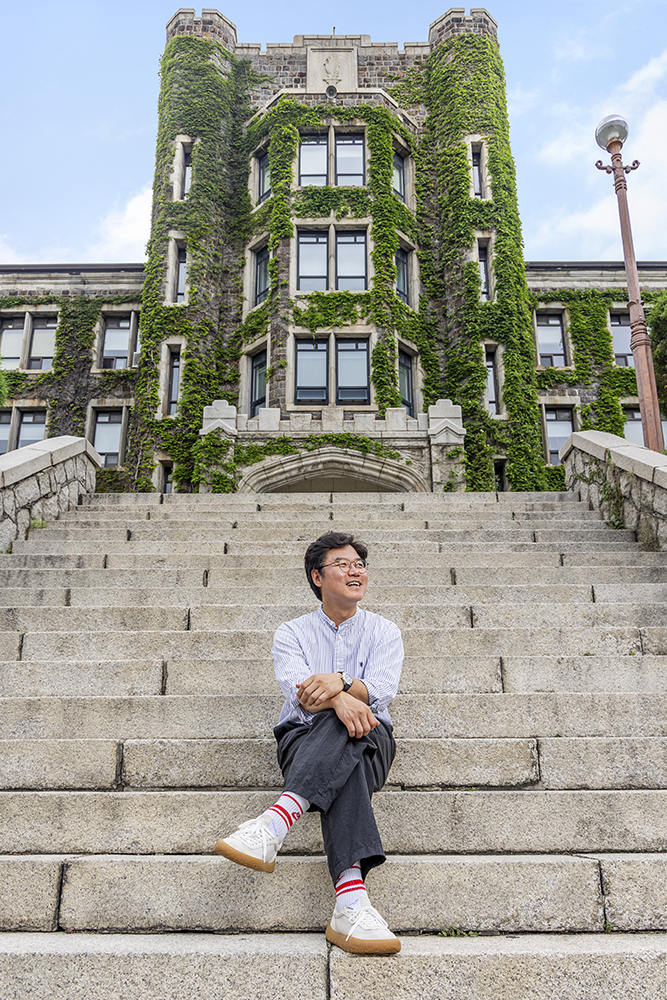
Born in 1976, Na Yeong-seok was an ordinary public administration major studying for the civil service exam. But this incredibly shy student stumbled into his university’s drama club.
Instead of chasing the spotlight on stage, he found himself drawn to the backstage—crafting scripts and directing comedy scenes. He was terrified of public speaking, but he had a knack for quietly observing people and weaving their stories together.
The lesson he learned here was simple: You don't need a loud voice to lead. You can orchestrate a masterpiece meticulously from behind the curtain.
2. Awaiting Demotion After a Massive Live TV Disaster (2001, Rookie Years at KBS)
In 2001, he landed a job as a producer at KBS, one of Korea's major networks. He was so fascinated by the mundane details of daily life that his entry pitch was a simple cooking show called Open the Refrigerator.
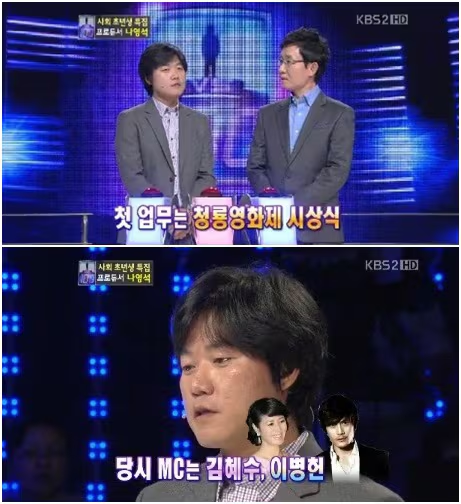
But reality hit hard. As a rookie, he was tasked with cueing the MCs for a live broadcast at the Blue Dragon Film Awards. Mesmerized by a performance on stage, he missed his cue entirely. The result? A massive live broadcast disaster.
The head of the entertainment department chewed him out, and Na was sent to a provincial branch to await disciplinary action. It was a moment that reinforced his deepest fear: he was too slow, too timid, and totally unfit for the fast-paced, aggressive world of variety television.
He hit a wall. In an industry where only the loudest and most aggressive survived, a shy, mistake-prone rookie felt utterly powerless.
3. Observing True Human Nature in a Docuseries Editing Room (Early 2000s)
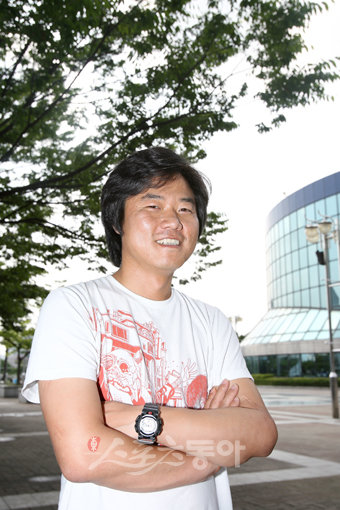
When he finally returned, he wasn't assigned to a glamorous studio show. Instead, he was sent to an informational docuseries. Rather than filming flashy celebrities, his job was to quietly document the everyday lives of ordinary people in the field.
But this period became his greatest training ground. Instead of relying on the forced laughter of traditional variety shows, he learned to observe human nature and tease out authentic narratives.
He walked away with two key insights: First, real entertainment doesn't come from contrived sets; it comes from raw human nature. Second, great directing isn't about talking the loudest—it's about patiently listening to others.
4. Dragged On-Camera: The Birth of a New Genre (2007, 2 Days & 1 Night)
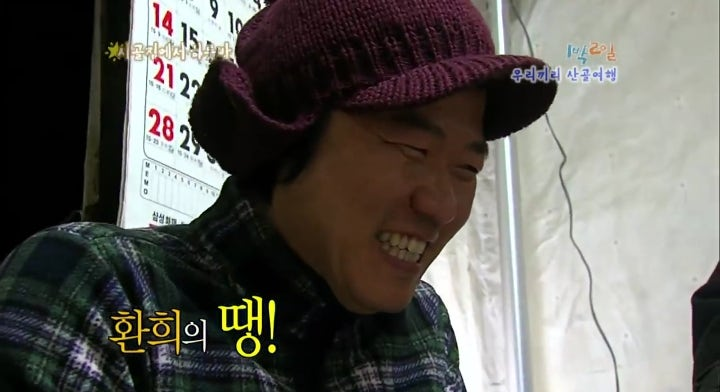
In 2007, he took the helm of 2 Days & 1 Night, the show that would change his life. Traditionally, a main PD barked orders from behind the camera with absolute authority. But Na didn't have that kind of presence. Instead, he constantly found himself bullied by the show's strong-willed cast members.
The cast started pulling him on-camera to make bets. A traditional, ego-driven PD would have left those scenes on the cutting room floor. Na left them in. He broadcasted his own pathetic, flustered moments to the entire country. He became the PD who yelled "Ddaeng!" (Wrong!) when they failed, played stupid games with them, and slept outside in the dirt right alongside them.
The takeaway was clear: If you can't be a flawless, authoritarian leader, be the relatable older brother who takes the hits with the team. By exposing his weaknesses instead of hiding them, he created a deeply human connection between the crew and the cast that audiences went crazy for.
5. Walking Away from the Throne to Start Over (2012, tvN)
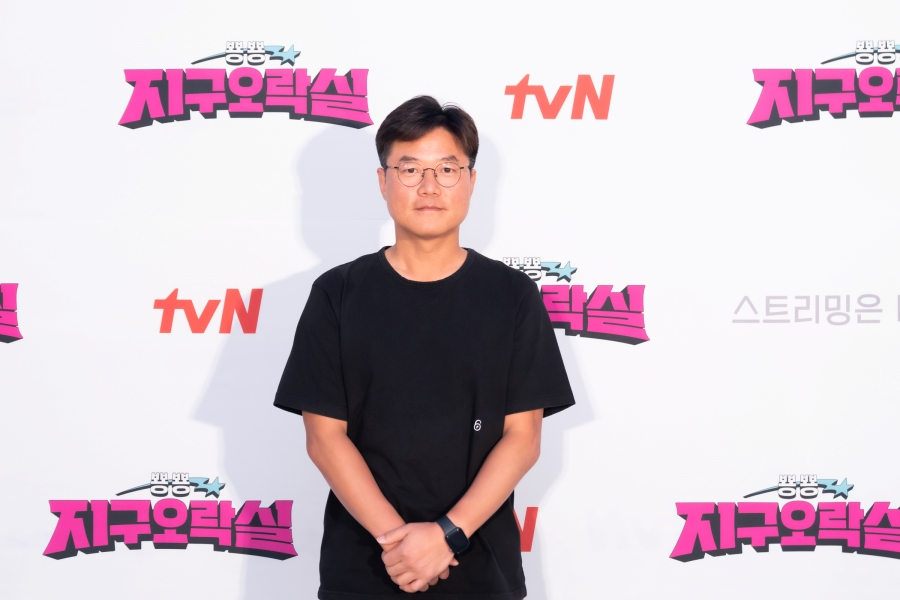
2 Days & 1 Night made him the biggest PD in Korea. But in 2012, he shocked the industry by quitting his prestigious job at KBS to join tvN, a cable network that was considered a total underdog at the time.
It was a reckless move—walking away from the massive reach of a legacy network. But Na didn't want to become a stuffy executive in a corporate machine. He wanted to stay in the trenches, working directly with people and building his own small, scrappy projects.
His move proved one thing: To build an entirely new playing field, you have to be willing to walk away from your titles and past successes right when you're at the very top.
Epilogue
We tend to assume that leaders in the media industry need to be extroverted, highly charismatic alphas.
Na Yeong-seok’s journey completely shatters that myth.
A shy college kid, a screw-up rookie awaiting demotion, a pushover PD mocked by his own cast—he never tried to "fix" any of these traits. Instead, he turned his timidity, shyness, and approachability into his superpower. He erased the boundary between the cast and the crew, becoming the most relatable director in television history.
The lesson is clear. Even if your natural disposition feels like a liability in your current environment, the second you find the right context, it becomes an unrivaled competitive advantage that nobody else can replicate.
In our next issue, we’ll explore how he transformed tvN with massive hits like Grandpas Over Flowers and Three Meals a Day, rode the tidal wave of YouTube, and evolved into a creator worthy of a Baeksang Arts Award.
Subscribe to The White Crow Newsletter
The trait you are most ashamed of can become your most irreplaceable asset—you just have to change the playing field.
Note: The facts in this newsletter were reconstructed based on broadcast interviews, autobiographies, and public media records regarding PD Na Yeong-seok (born 1976), his time at Yonsei University, joining KBS in 2001, the Blue Dragon Film Awards incident, his docuseries experience, his on-camera dynamic in 2 Days & 1 Night (2007), and his move to tvN in 2012.