
"It All Started with a Mouse"

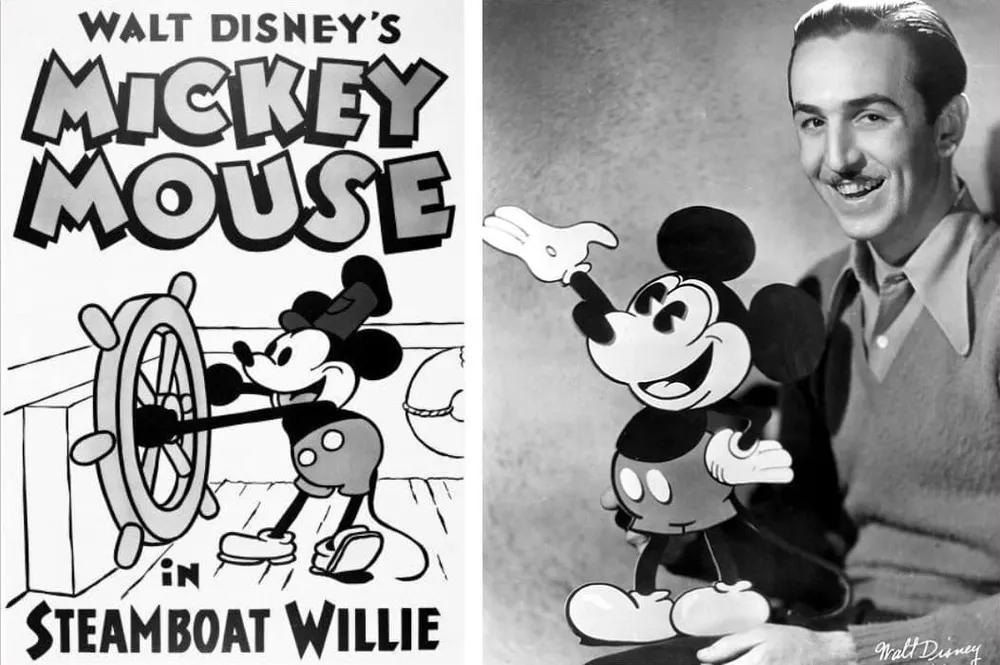
In March 1928, the Santa Fe transcontinental train rattled west from New York toward Los Angeles.
Sitting in a passenger car was twenty-seven-year-old Walt Disney. He had nothing left in his hands.
Just days earlier, he was the creator behind Oswald the Lucky Rabbit, a cartoon character sweeping theaters across America. Confident, he had traveled to New York to negotiate a higher production budget. What met him instead was cold-blooded betrayal.
Distributor Charles Mintz had exploited contract loopholes to seize the rights to Oswald. Behind Disney’s back, he had secretly poached nearly all of Walt’s lead animators.
“Turn down my deal and you’re finished. The character is mine. Your staff is mine.”
Left with only a return train ticket, Disney was dead broke. Most people would have surrendered to despair, wallowing in self-pity or drowning their rage in cheap whiskey. Walt refused to waste time grieving.
After sending a brief wire to his brother Roy in Los Angeles—“Everything’s fine”—he unzipped his bag and pulled out a crumpled sketchbook and a worn pencil stub. Instead of freezing in tears, he set the pencil against the trembling train table.
Quietly, three circles took shape on the blank paper.
Two ears. One face. It was the memory of a small mouse that used to share breadcrumbs with him years earlier, when he slept on the floor of a drafty studio attic, too poor to afford a meal.
Mickey Mouse, the character that would redefine modern entertainment, was born right there. It was the product of a creator who simply refused to put down his pencil, even when everything around him had crumbled to dust.
Walt Disney’s secret was never flashes of effortless genius. It was his stubborn refusal to stop creating—through an abusive childhood, the crushing bankruptcy of his first studio, hunger, homelessness, and backstabbing betrayal. Every single time he was knocked flat, he got back up and kept making things.
Here are the five places where Walt Disney hit rock bottom, picked up his pencil, and built an empire.
1. The Marceline Farm: Hell and Heaven Beneath the Apple Trees
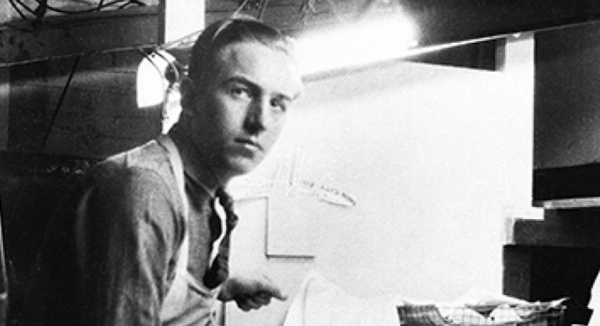
In 1906, four-year-old Walt moved with his family to a farm in Marceline, a small rural town in Missouri.
His father, Elias, was harsh and unrelenting. He drove Walt and his older brothers through grueling farm chores from dawn to midnight, beating them with a leather belt for the slightest infraction. He routinely tore up Walt’s sketchbooks, dismissing cartooning as foolish laziness.
Yet the boy kept drawing. Even when exhausted to the bone at night, Walt hid in a corner of the barn, sketching with scraps of charcoal on discarded wooden boards. By day, he lay beneath apple trees studying the movement of farm animals, or rode bareback on a pig named Skinny through the fields, etching the muscle and expression of animals into his memory.
When a local doctor handed him a nickel to sketch a horse, a spark ignited in Walt. No matter how brutally the world tried to beat him down, he vowed never to let go of the pencil that brought paper to life.
Decades later, Main Street, U.S.A.—the entrance to every Disneyland in the world—was born directly from the idyllic memories and gritty persistence forged on that Marceline farm.
2. The Laugh-O-gram Attic: Breadcrumbs and a Mouse

In 1922, twenty-one-year-old Walt founded his first animation company, Laugh-O-gram Films, on the second floor of a dilapidated building in Kansas City.
It unraveled fast. His theatrical distributor went bankrupt without paying a dime, burying the fledgling studio under a mountain of debt. Animators jumped ship, and creditors evicted Walt from his office.
With nowhere to go, the twenty-one-year-old hid from bill collectors in the studio attic, sleeping on the floor under a threadbare overcoat. He survived on a single slice of dry bread a day. Unable to afford a bath, he crept into the Kansas City train station late at night to wash with cold water in the public restroom.
It was total, unvarnished rock bottom. Yet he never stopped drawing. When a lone field mouse scurried onto his drafting table, Walt didn’t set a trap. He placed a few leftover breadcrumbs on the corner of his desk.
The mouse returned every night. Walt watched it nibble crumbs and crawl up his fingers, filling hundreds of sketchbook pages with its gestures. Even without bread for tomorrow, he built what needed building today. Those grim nights in an empty attic became the bedrock for the most recognizable character in human history.
3. Kingswell Avenue: $40 and an Uncle’s Garage
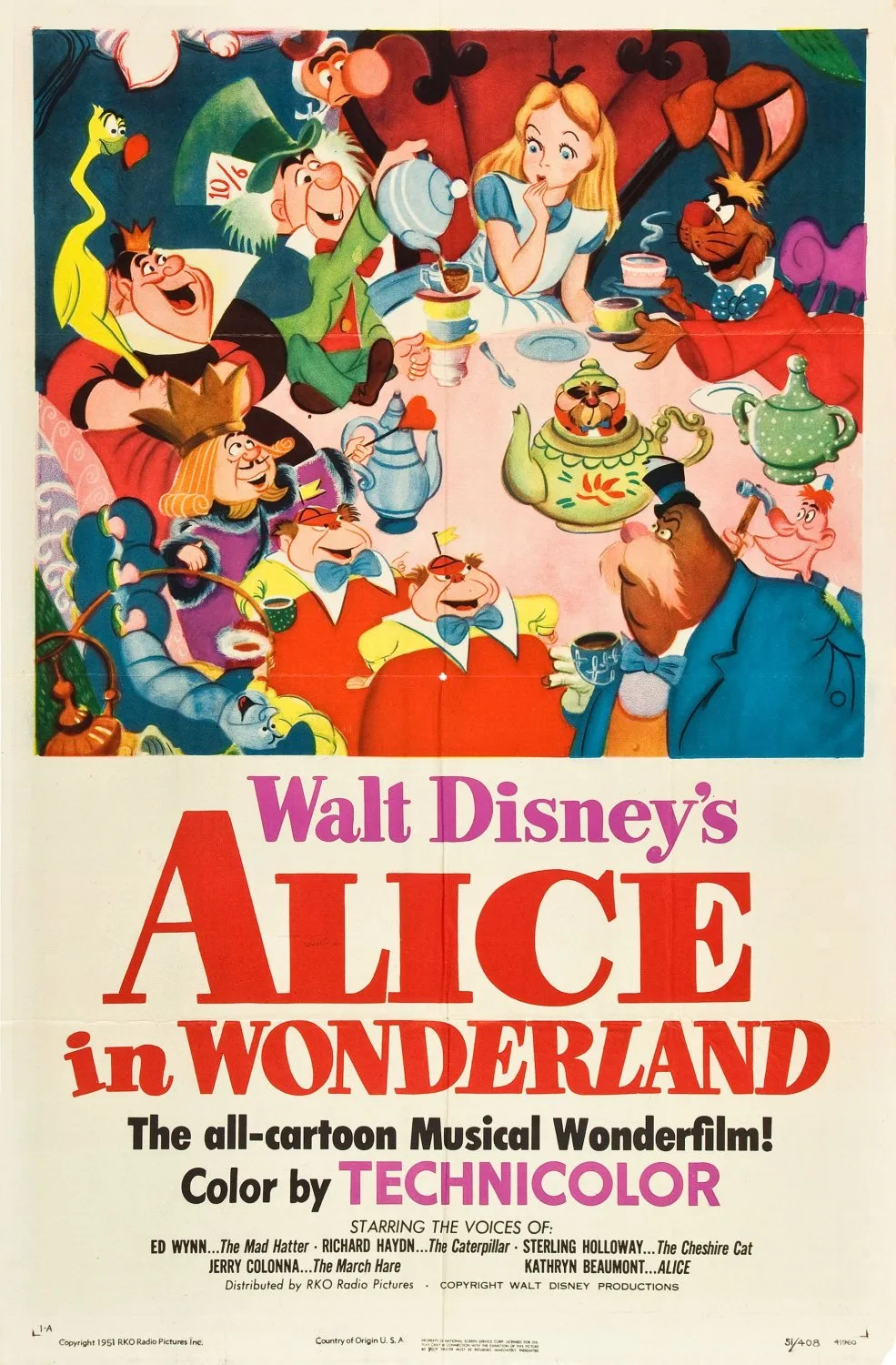
By the summer of 1923, Laugh-O-gram had formally collapsed. All the twenty-two-year-old had left was a pair of threadbare trousers, a beat-up sketchbook, and $40 in his pocket.
He bought a one-way train ticket to California and headed straight for Hollywood. But no studio was interested in hiring an unknown Midwestern cartoonist.
When nobody opened a door, Walt built his own. He moved into a cobwebbed wooden garage in the backyard of his Uncle Robert’s house at 4406 Kingswell Avenue in Los Angeles.
He cobbled together a workbench from discarded lumber, borrowed a few dollars to buy a used movie camera and projector, and visited his brother Roy, who was recovering from tuberculosis in a veterans' hospital.
“Roy, being knocked down doesn’t mean it’s over. We can build it again with our own hands.”
Sweltering under daytime heat and shivering through drafty nights, Walt lay on the garage floor, shooting frame by frame for Alice’s Wonderland—a pioneering blend of live-action and cartoon. Rather than waiting for conditions to become perfect, his sheer relentlessness to resume work inside a $40 garage put him back on the map.
4. New York: The Day His Studio Was Stolen
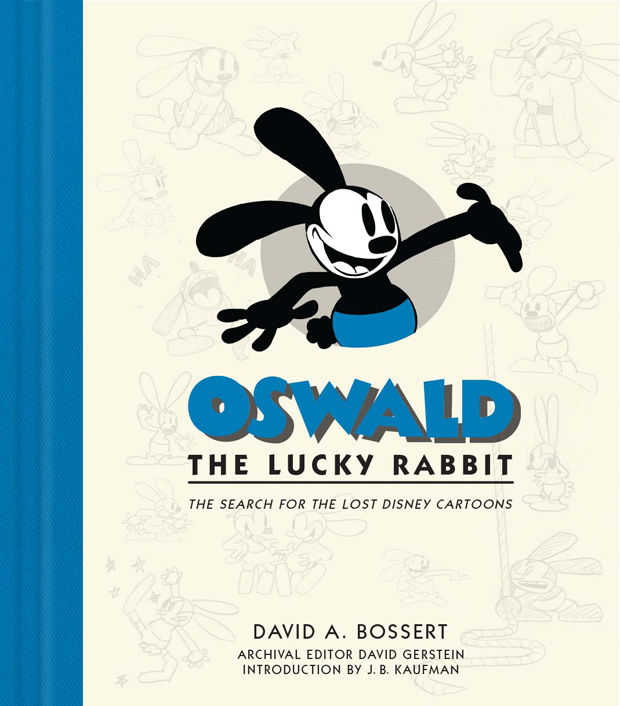
Following the success of the Alice Comedies, Walt created Oswald the Lucky Rabbit. It became an overnight sensation. In February 1928, twenty-six-year-old Walt traveled to New York to renegotiate a viable budget with distributor Charles Mintz.
What he walked into was an ambush. Mintz had secretly bought out Disney’s key animators, taken control of the character's intellectual property, and demanded Walt take a 20% budget cut.
“Sign on my terms, or you’re finished in this industry.”
The cost of relying on someone else’s goodwill was devastating. But Walt refused to grovel. Rather than surrender his independence to a predatory distributor, he chose to start over from scratch.
He rejected the contract and walked out the door with nothing. No one else had the authority to declare his story over. He dusted himself off and marched straight to his next drawing board.
5. The Santa Fe Express: The Three Circles
On the train ride back to Los Angeles, an empty desert rolled past the windows.
His prospects were pitch black. Yet Walt didn't waste a second spiraling. As the railcars shook, he set pencil to paper.
“If I lost the rabbit, I’ll simply make the next thing.”
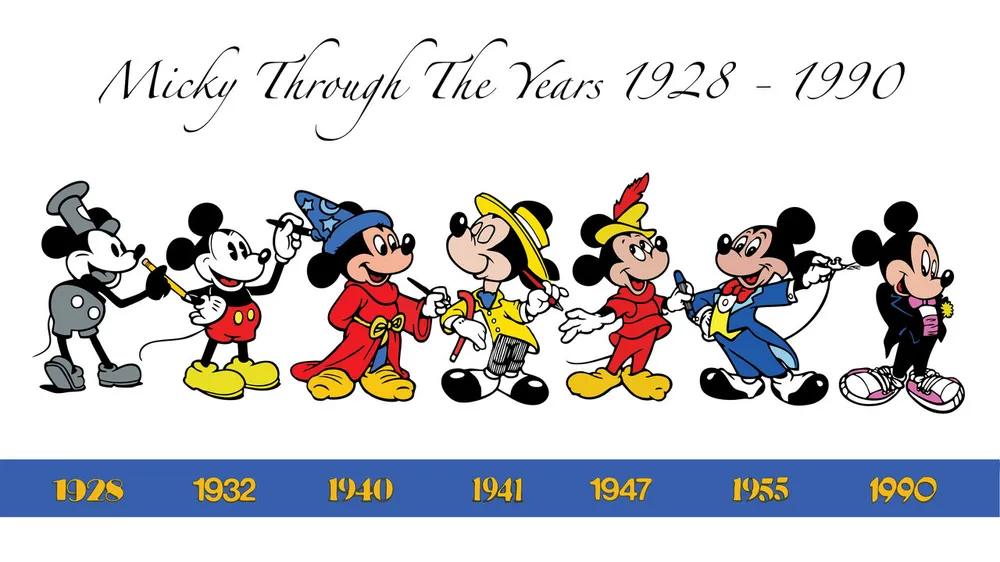
From memory, he summoned the little mouse from that cold Kansas City attic. With three simple round lines, the face took shape. He initially named it Mortimer, until his wife, Lillian, suggested Mickey.
The moment he stepped off the train in Los Angeles, he flipped on the studio lights. Working alongside Ub Iwerks, he produced Steamboat Willie—the first cartoon with fully synchronized sound, revolutionizing the film industry.
When everyone believed he was finished, that single refusal to put down his pencil swung open the gates to a modern entertainment empire.
Epilogue: Falling Is an Event; Quitting Is a Choice
In business, everyone gets knocked down. You get swindled, trusted colleagues defect, or a project you poured your soul into evaporates overnight.
When that happens, most people stop making things. They stew in resentment toward the people who wronged them, blame their lack of capital, and wait for their wounds to heal.
Walt Disney never stopped. He sketched in a cold barn under his father’s beatings. He filled sketchbooks in a bankrupt attic while sharing breadcrumbs with a mouse. And on a train where he had just lost everything, he drew three circles on a trembling wooden table.
To Disney, failure was never the end. It was simply the messy middle of making the next thing.
“It all started with a mouse.”
That famous phrase isn't a nostalgic boast. It is the unshakeable pride of a creator who refused to drop his pencil, choosing every day to animate the next frame.