
The One Thing AI Can't Do

Have you ever told ChatGPT,
"Talk to me like a corporate worker in their 20s"?
When you feed a so-called "persona" into an AI, it mimics the tone of voice surprisingly well. But you can't quite shake the feeling that it's somewhat superficial.
Whenever I ponder this, one specific scene always comes to mind.
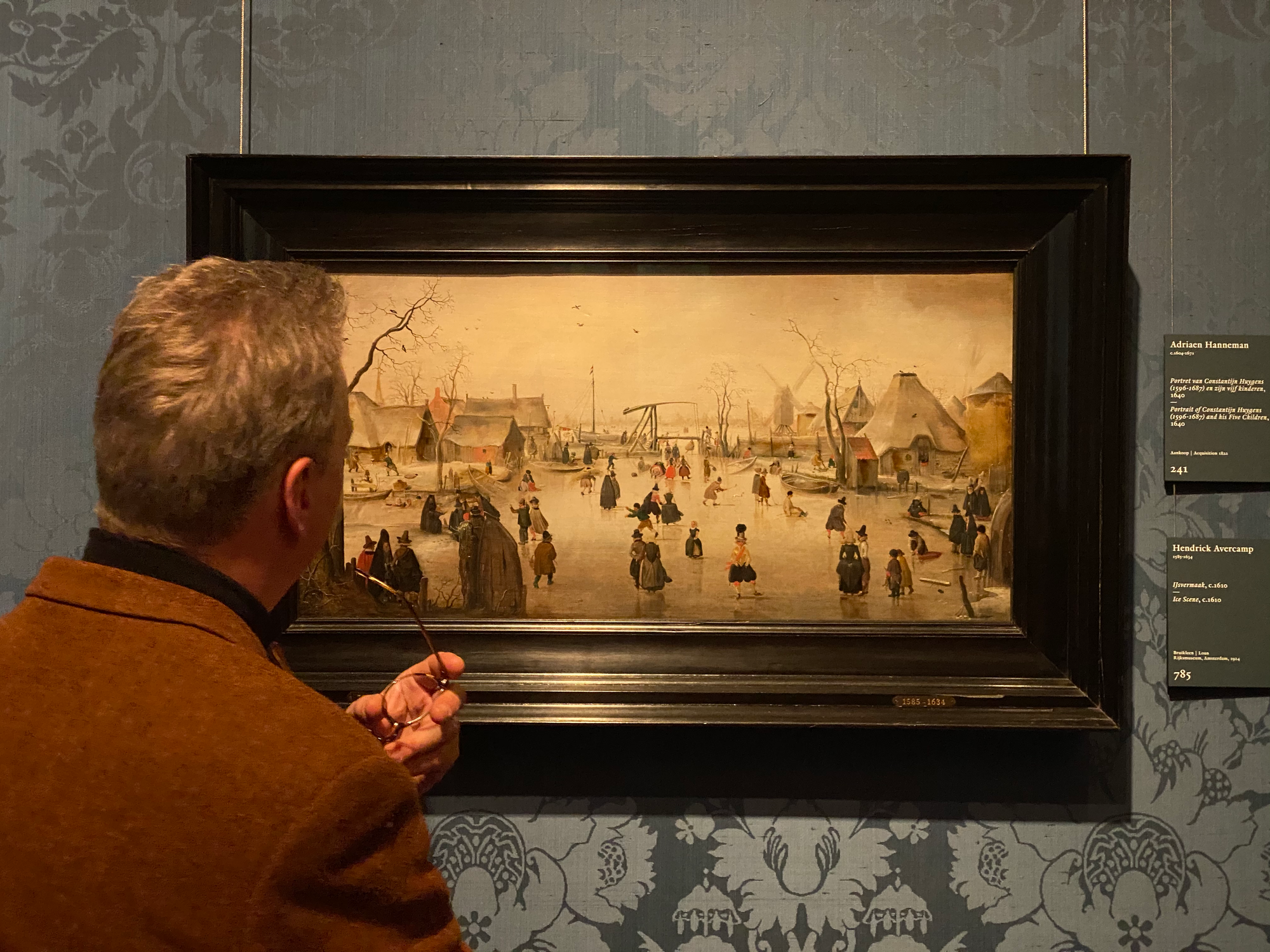
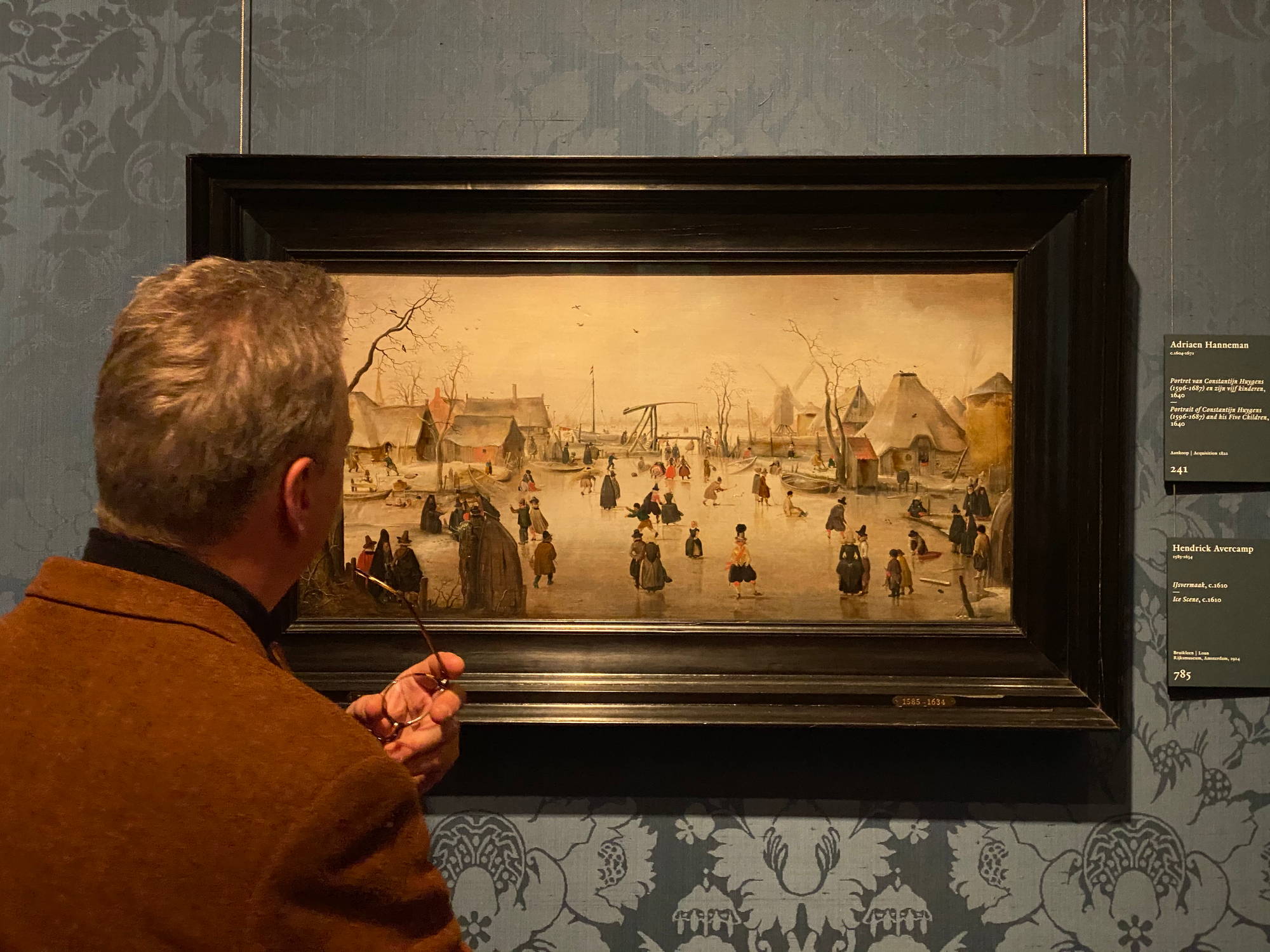
An elderly man stood frozen in front of the painting for over 10 minutes. With his glasses taken off, his gaze seemed to pierce through the canvas. Would even the artist be this immersed when looking at their own work?
As I took a photo of him from behind, a strange emotion washed over me. What exactly is he looking at? Is he analyzing the actions of every single person on the canvas? Or is he stepping directly into the mind of the painter from that era?
To truly understand, empathize with, and contemplate someone isn't just about listing surface-level information. It’s about thoroughly becoming that person and battling it out internally from their perspective.
In the era of grand AI, someone might say, "Customer empathy? Can't we just give an AI a persona and ask it?"
No. It's fundamentally different. AI's method is strictly "parallel." If you throw keywords like "20s," "female," and "office worker" at it, it lays out tens of thousands of related data points all at once and spits out the most probable next value.* Can the response of an ego statistically assembled from massive amounts of data truly be called "empathy" or "understanding" of that subject?
Human reasoning, on the other hand, is "serial." It starts with surface information and bites its own tail, digging deeper and deeper toward the fundamental emotion.
'Was this what the painter felt? No.' 'Then why leave this brushstroke here? Could it be resignation?'
Empathy is an invisible internal battle between the other person (the artist or the customer) and myself. It's like a game of Go. The only difference is that while Go is decided by discrete black and white stones, human reasoning and empathy follow continuous, borderless lines of emotion.
Human empathy isn't a calculation that statistically lines up various possibilities. It is the act of digging relentlessly toward a single subject. It's a winding path, deciphering the maze of emotional lines. It’s not a statistical imitation, but completely becoming that person.
The back of the elderly man I saw at the museum that day might just be the answer to the AI era chasing efficiency and probability.
(End.)
P.S. Ah, of course, on the surface, AI listens and empathizes better than humans. Maybe that's why humans who truly know how to empathize are becoming even more precious.
*Next time, if I get the chance, I’ll share some humanistic insights along with the principles behind the AI (LLMs) used in our era.