
How a Cheap Tin Lunchbox Became Must-Have Merch

(A quick note from editor Jonathan is at the bottom of this post.)
Scrolling Instagram, it feels like people can turn anything into merchandise. Miniature museum relics selling out makes sense; those carry centuries of craft and historical weight. But scrolling feeds like @sigor.variety.store, a general store in rural Korea, brings a different sensation.
Aren't those floral bowls and tin trays the exact junk that gathered dust in my grandmother's back room?
Take ordinary, weathered household items, attach a narrative of rural nostalgia, and people open their wallets for garage sale finds repackaged as curated design pieces.
Jinguashi and the Miner's Lunchbox
Watching that clever operation brought back a memory from Taiwan years ago.
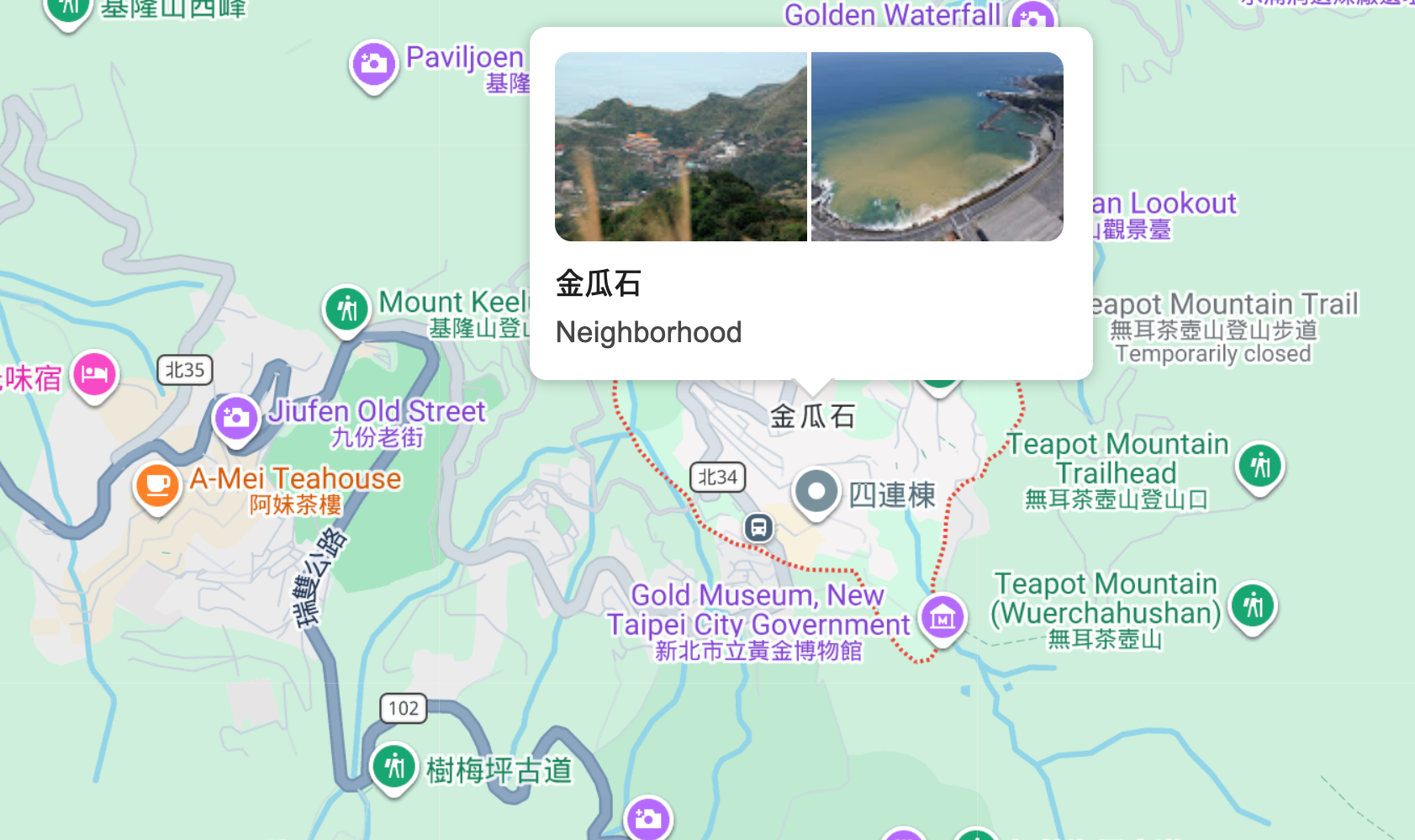
Leaving downtown Taipei, I arrived in Jiufen. Instead of booking the usual crowded day tour that shuttles tourists across northern Taiwan, I did some quick searches, asked a few locals, and dropped my bags at a small guesthouse in Jiufen. As soon as I set my pack down, I took off for Jinguashi, a faded former gold mining village nearby. To be fair, Jinguashi did not have much to show.
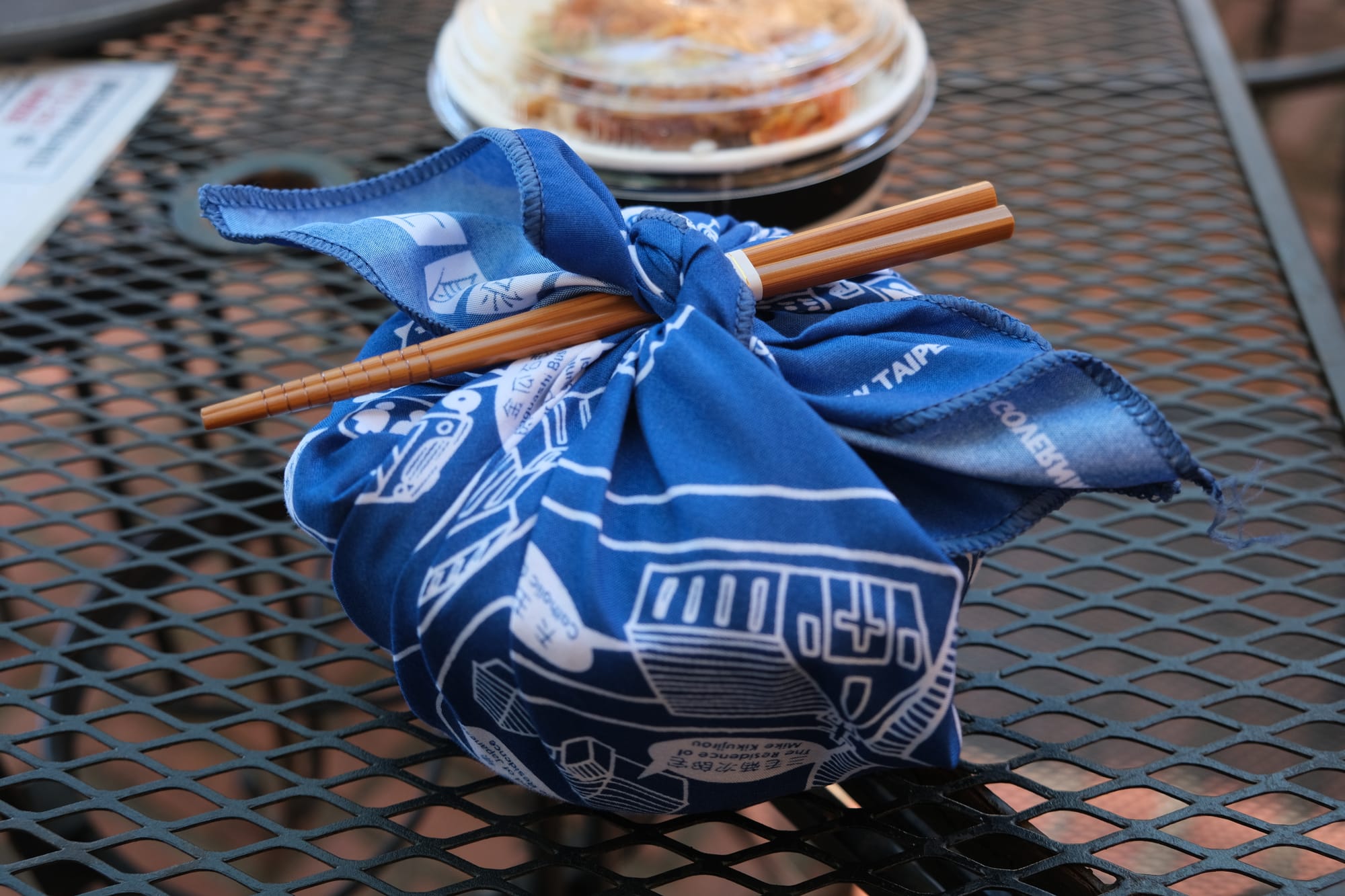
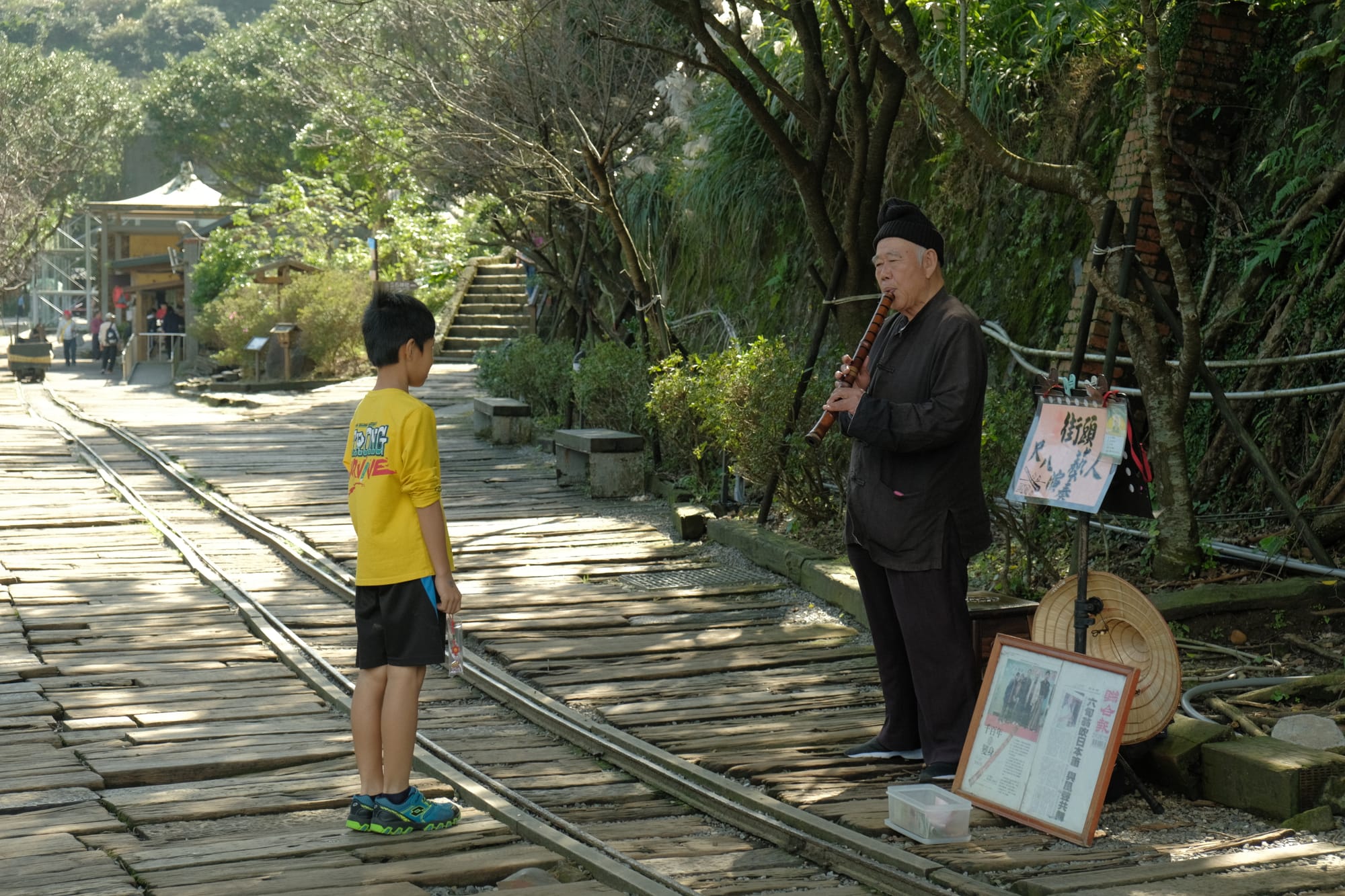
A walking path along rusted rail tracks was about the entire tour. Just as regret started setting in over whether I had wasted an afternoon, I walked into a diner to try the famous miner's lunchbox. The price was fair for a tourist town, but the meal was Spartan: white rice, a fried pork cutlet with five-spice, and a spoonful of pickled greens.
Then came an unexpected surprise. Along with my food, the server handed over a second lunchbox wrapped in cloth.
Did they get my order wrong? Buy one get one free?
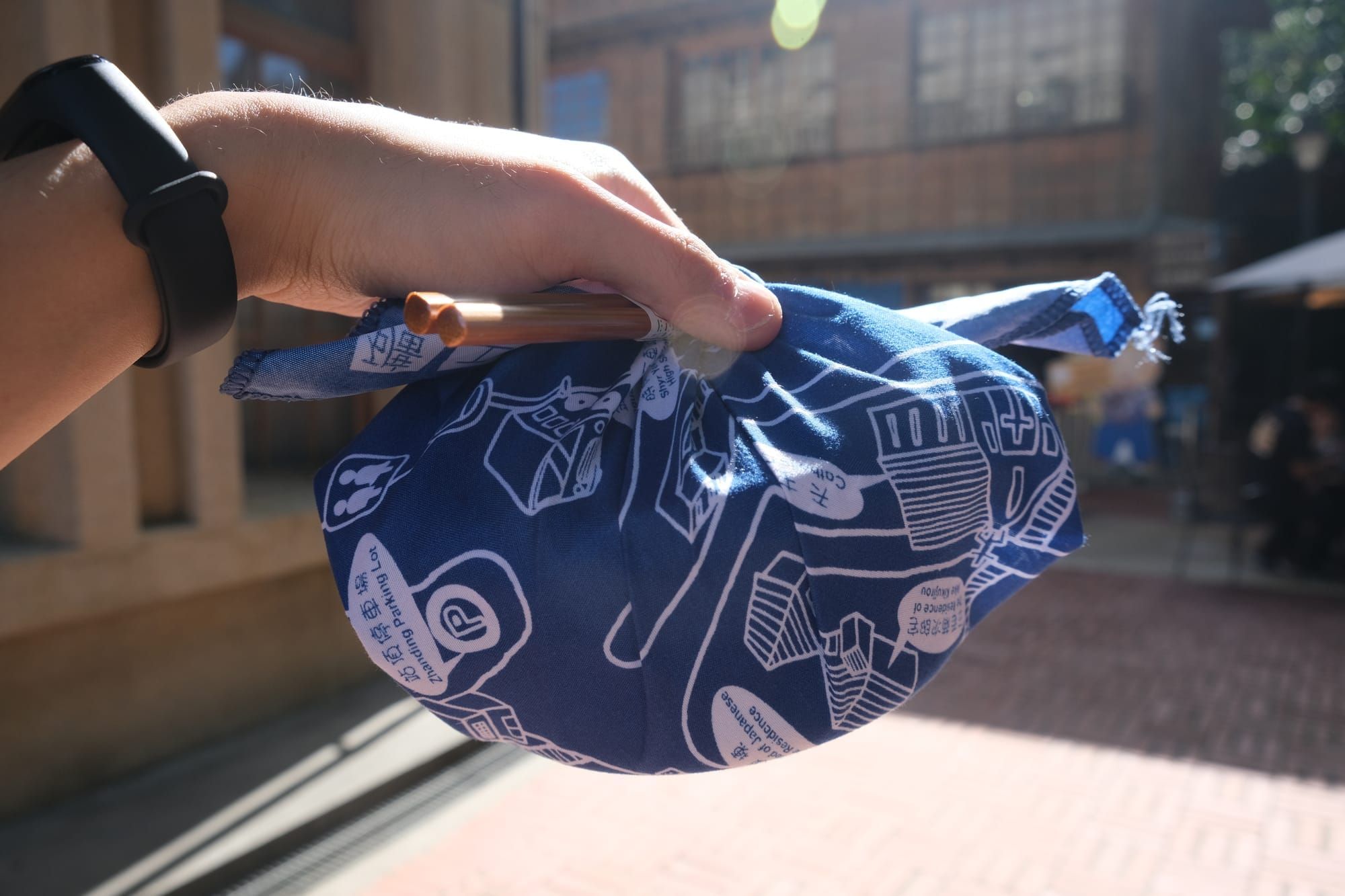
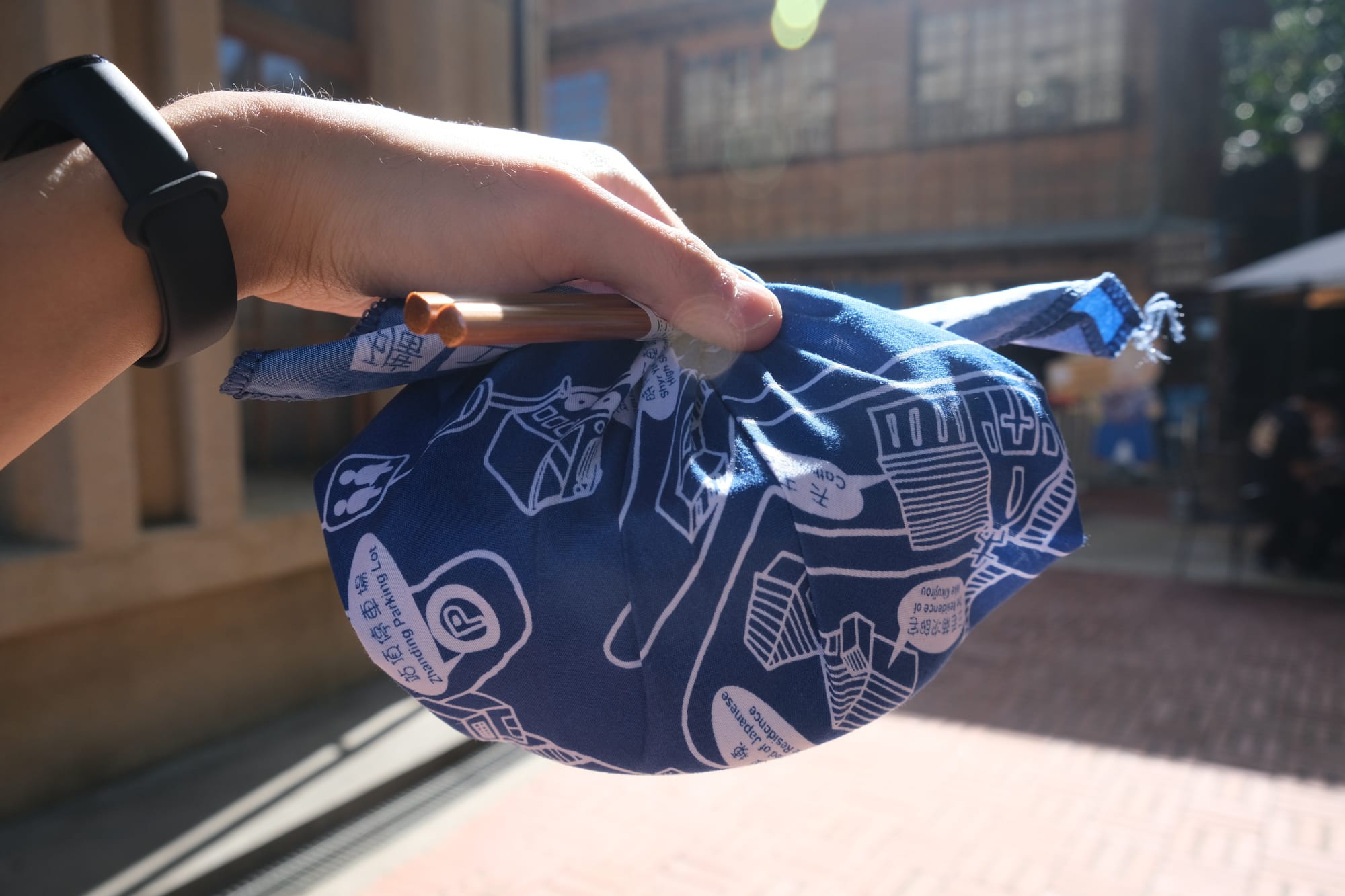
Noticing my confusion, the server explained that the extra box was a souvenir, modeled after the tins coal miners carried into the tunnels. A patterned bandana knotted around a stamped stainless steel container, complete with wooden chopsticks.
It sounds fickle, but every ounce of disappointment vanished on the spot.
'Totally worth it. So glad I came!'
Look at the manufacturing, and the raw unit cost could not exceed a couple of dollars. Yet that modest metal container transformed the entire visit to an otherwise forgettable stop.
The Power of Physical Experience
Untying the knot and lifting the metal lid put me straight into the shoes of a local miner. A physical prop made it easy to picture a laborer finishing a shift underground, opening a warm meal of pork and rice. The fact that I could take that tin and cloth home turned a forgettable meal into an unexpected highlight.
A pairing you could buy for pocket change in any hardware store turned Jinguashi into an essential stop on Taiwan travel itineraries.
What moves buyers goes well beyond features and unit economics. In an era where software handles production and AI produces text or graphics on demand, tangible, physical experiences gain real value. Even an ordinary object commands loyalty when visitors experience the site firsthand, connect with a worker's routine, and carry home a piece of that narrative.
As a founder building products today, I still think back to that thin stainless steel lunchbox. Surviving in a software-saturated market may not require massive venture funding or complex technical stacks. Sometimes what matters is giving someone an experience they cannot replicate on a screen, and a story compelling enough that they want to bring a piece of it home.
(End.)
Author's Note
I found myself wondering what would happen if I wrote with a lighter hand. Nobody suggested it; the impulse came from inside. (Looking at reader analytics may have nudged me too.)
If writing is going to offer value as content, it has to teach something. Which means it ends up sounding like a sermon.
The essays kept getting heavier, ballooning toward grand declarations. Editors say cutting excess makes for stronger work, but in the process, the light observations, wandering thoughts, and trip photos got crowded out by overarching themes. It took writing close to fifty installments to see how deep I had stepped into that hole.
My posts started reading like self-help chapters rather than travel stories. I refused to write throwaway travel notes, hoping instead to invent something fresher and more ambitious. Looking at where that stubbornness led me brings a wry smile. It feels very much like me. I am a serious person who dislikes feeling solemn. I want humor and lightness, but capturing that on paper proves difficult. The gap between taste and execution is stubborn.
You did not share your email address to read my internal debates. Still, working through these questions is how writing improves, and being candid about changing direction felt like the right call.
Where these dispatches go next remains an open question. What I want to do is share fragments of things noticed on the road, watching past events connect in hindsight, the way dots seem to align looking backward.
This means re-examining past journeys from where I sit now. Building a business burns through ideas, and when inspiration runs low, memories from old trips float back up to provide fuel.
The result might look like an odd cross between a travel journal and an essay. But travel remains central to how I see the world. Even hearing the word quickens my pulse, and I want to pass on a measure of that spark. If one reader decides to pack a bag and book a ticket after reading this, the writing will have done its job.
Life is often compared to a journey, but imagine if we could wake up to each day the way we wake up on a trip: a bit nervous, yet eager for whatever happens next.
I hope some of that spirit finds its way to you.