
<The Haebang Diary - Gokseong> Ep.2 The Encounter

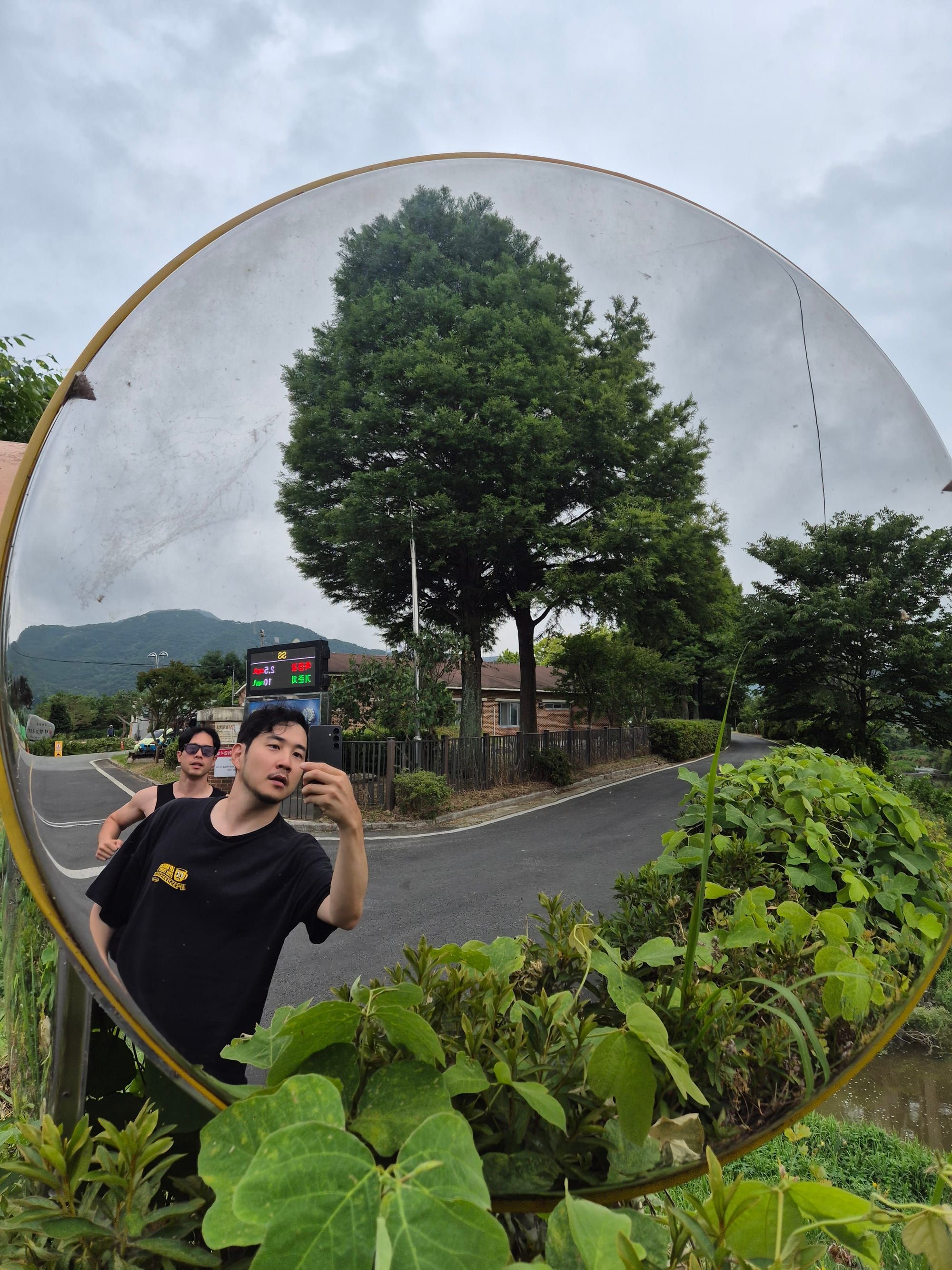
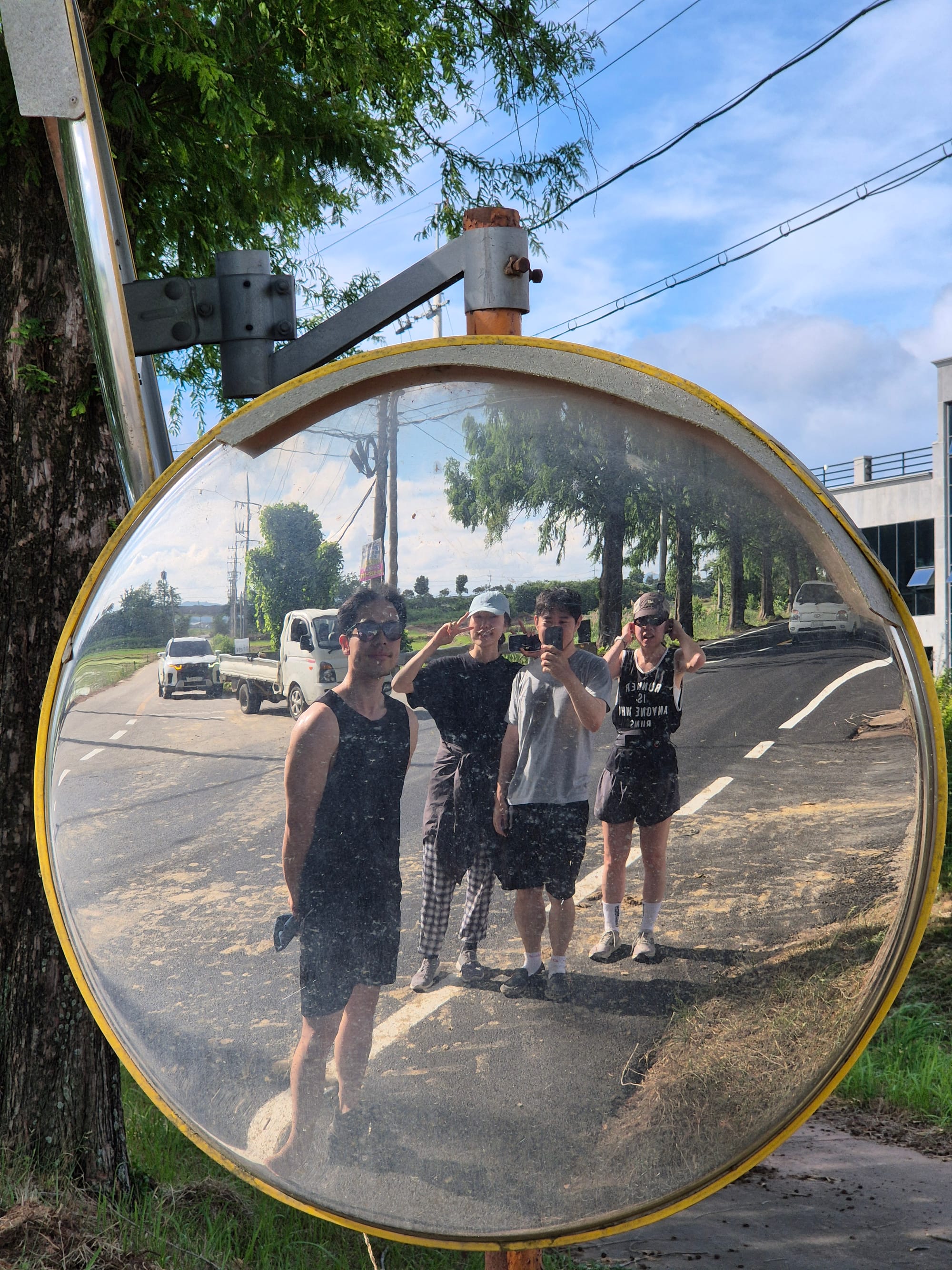
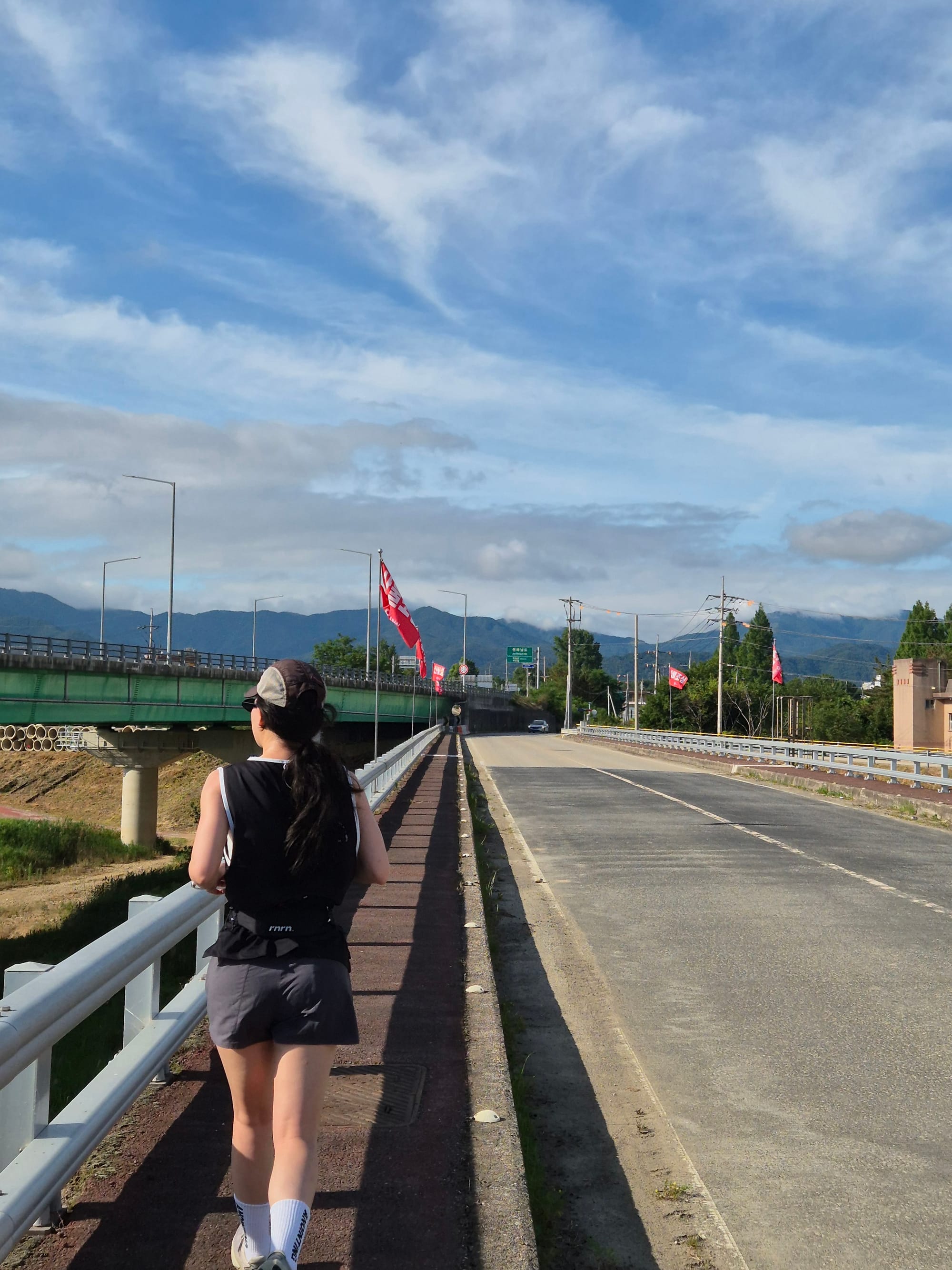
Early in the morning, I woke up ahead of alarm to keep my promise to go for a run along the Seomjin River with my co-founders Hamin, Subin, and Gyeongseo.
Contrary to the gloomy forecast, the weather turned out brilliantly clear. Morning sunlight shimmered through the tall metasequoia trees stretching along both sides of the road. Since it was early summer, there were no cicadas buzzing yet; instead, the calls of cuckoos echoed like a perfect ASMR soundtrack in our ears.
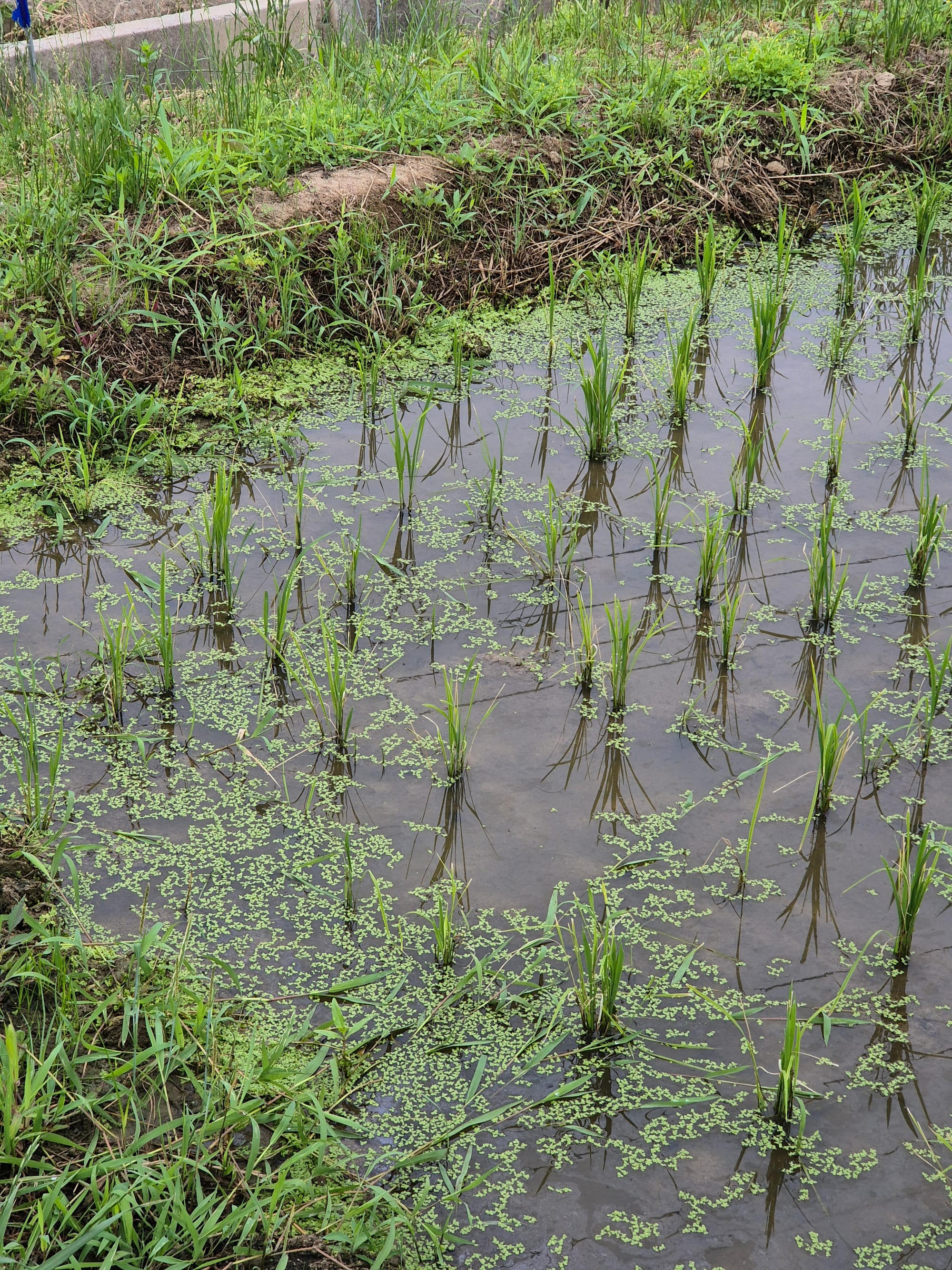
Elderly locals strolling along the paddy paths, green rice seedlings poking out from newly planted fields. Throughout the 6km run, every view greeted us delightfully alongside the subtle fragrance of white flowers in the breeze.
'Yeah, I'm running through such a beautiful place right now.'
'I have great people by my side, and I'm healthy enough to run.'
'Nature grows at its own steady pace, step by step—why was I in such a rush?'
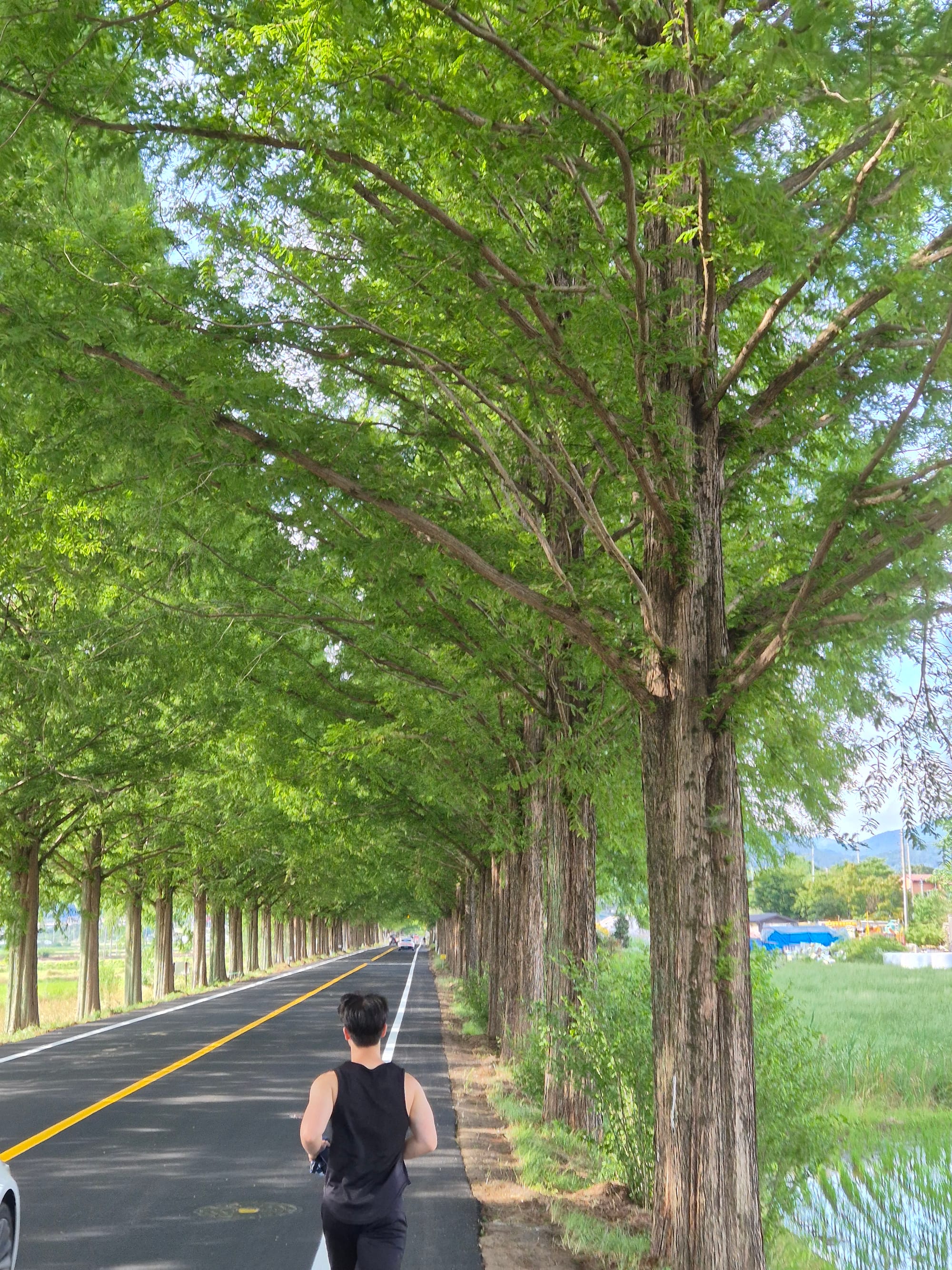
The heavy pressure of planning that had weighed me down before the run evaporated with every drop of sweat. The feeling of giving up—'whatever happens, happens'—shifted inside me into a solid confidence: 'I can actually do this.' There really was no need to rush.
Finishing the refreshing run, it was time to meet the owner of the 'Wild Honey for Sale' sign I had spotted the day before.
Truth be told, the dilapidated look of the thatched-roof house where the sign hung made me hesitate at first. I had trudged out under the blazing sun the day before, only to find no one there. But when I dialed the number on the sign, a firm yet polite voice of an elderly woman answered.
"Yes, hello? Honey? We only have native wild honey here. We don't raise Western honeybees."
Only after she explained that the thatched cottage was just a workshop for harvesting honey—not her house—did I suddenly register the scorching sun beating down on me. Humid heat began sliding down my spine like a water slide. The thought of carrying a heavy jar of honey all the way back on foot was unthinkable, so I postponed the meeting, promising to drive over the next morning.
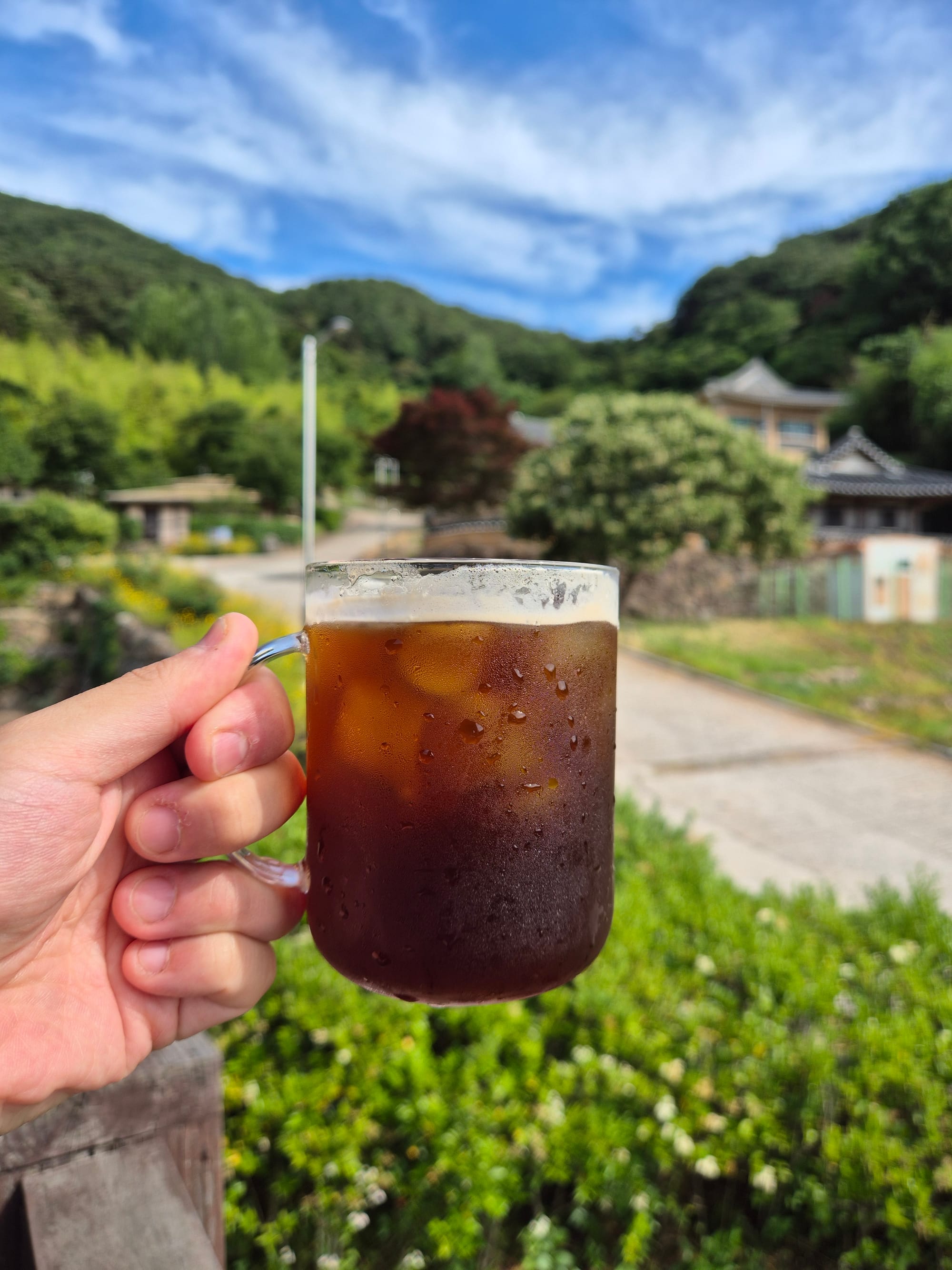
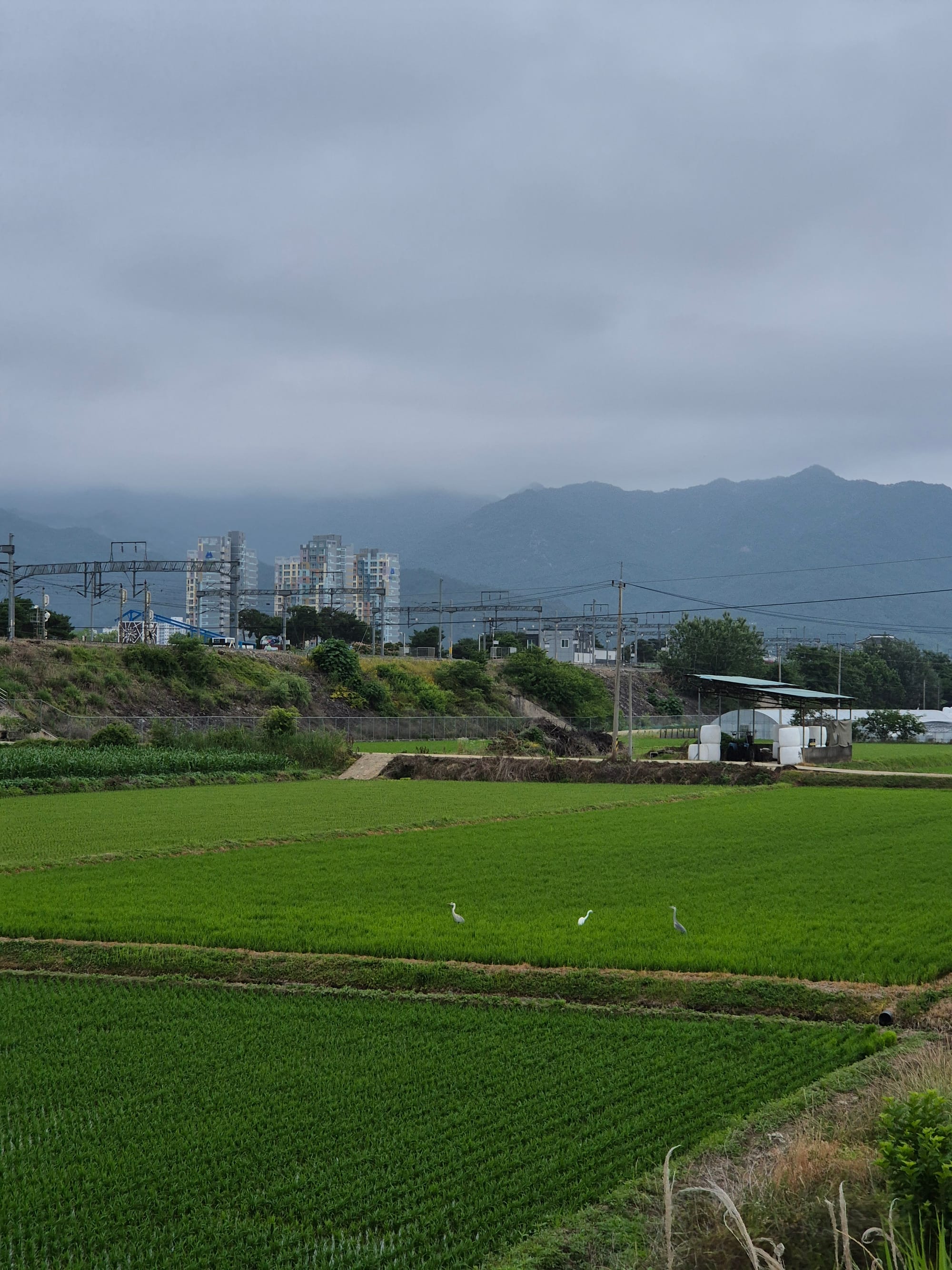
The next day, after dropping one of our group off at Gokseong Station, I drove along the Seomjin River. The sky was cloudier, but the muggy heat was brutal. Completely drenched in sweat, I got back into the car. 'Ah, sweet relief.' Blasting the A/C straight at my face, a sigh of relief escaped my lips. That short, sweet rest after pushing through physical strain almost felt cathartic.
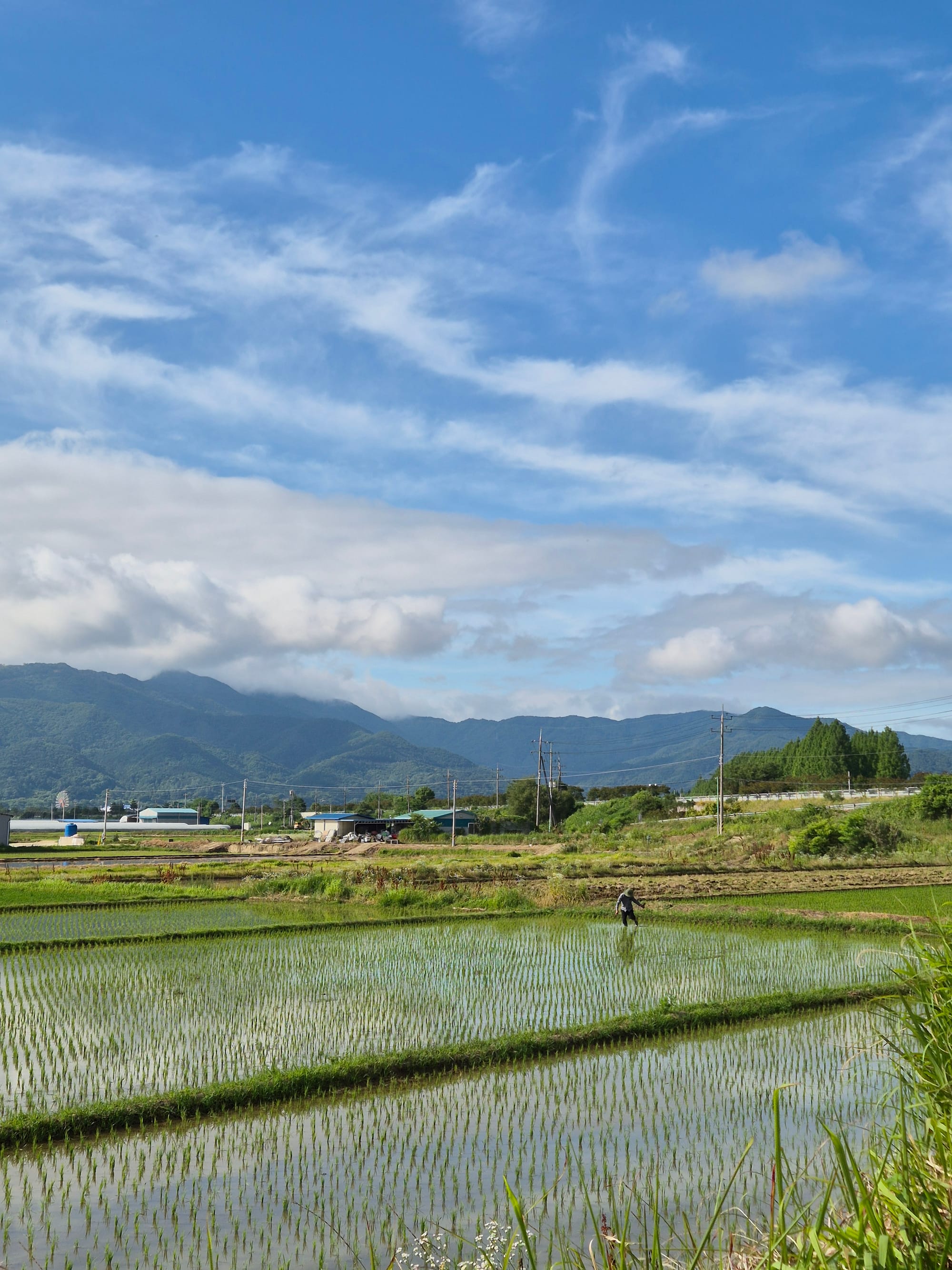
Parking at the village entrance, I gave her a call. She mentioned that since we hadn't arrived early, she had already headed out to the fields to work, but said she'd head down right away. It wasn't even 8:00 AM yet—a reminder of how differently time moves for seniors compared to us. As I waited for her by the car, a local woman watering her potted plants struck up a conversation.
"Who are you looking for?"
"Oh, I heard someone here sells wild honey."
"Huh? There's no one doing beekeeping in our village, though?"
In that instant, whatever sweat remained on my skin went cold.
'Wait, what?! No beekeepers in the village?'
'Is she reselling honey bought from somewhere else?'
'How do I politely back out if something feels off?'
'Am I really about to get scammed out in the middle of the countryside?'
Just as my head was spiraling with doubt and anxiety, the woman asked if I was warm and offered to grab me some sikhye (sweet rice beverage).
Part of me secretly hoped, 'Ooh, homemade country sikhye!' But when she handed it over, it was a familiar commercial canned sikhye. Sipping the cold drink, I learned she was the pastor of the village's only church. She shared stories about this small town tucked far away from downtown Gokseong. But even as I listened, my focus kept drifting. 'How far down this hill is she walking to get here?' I kept glancing down the path. Just as I hit the bottom of the can, I spotted an elderly woman in the distance—small in stature, but walking with her back straight and confident.
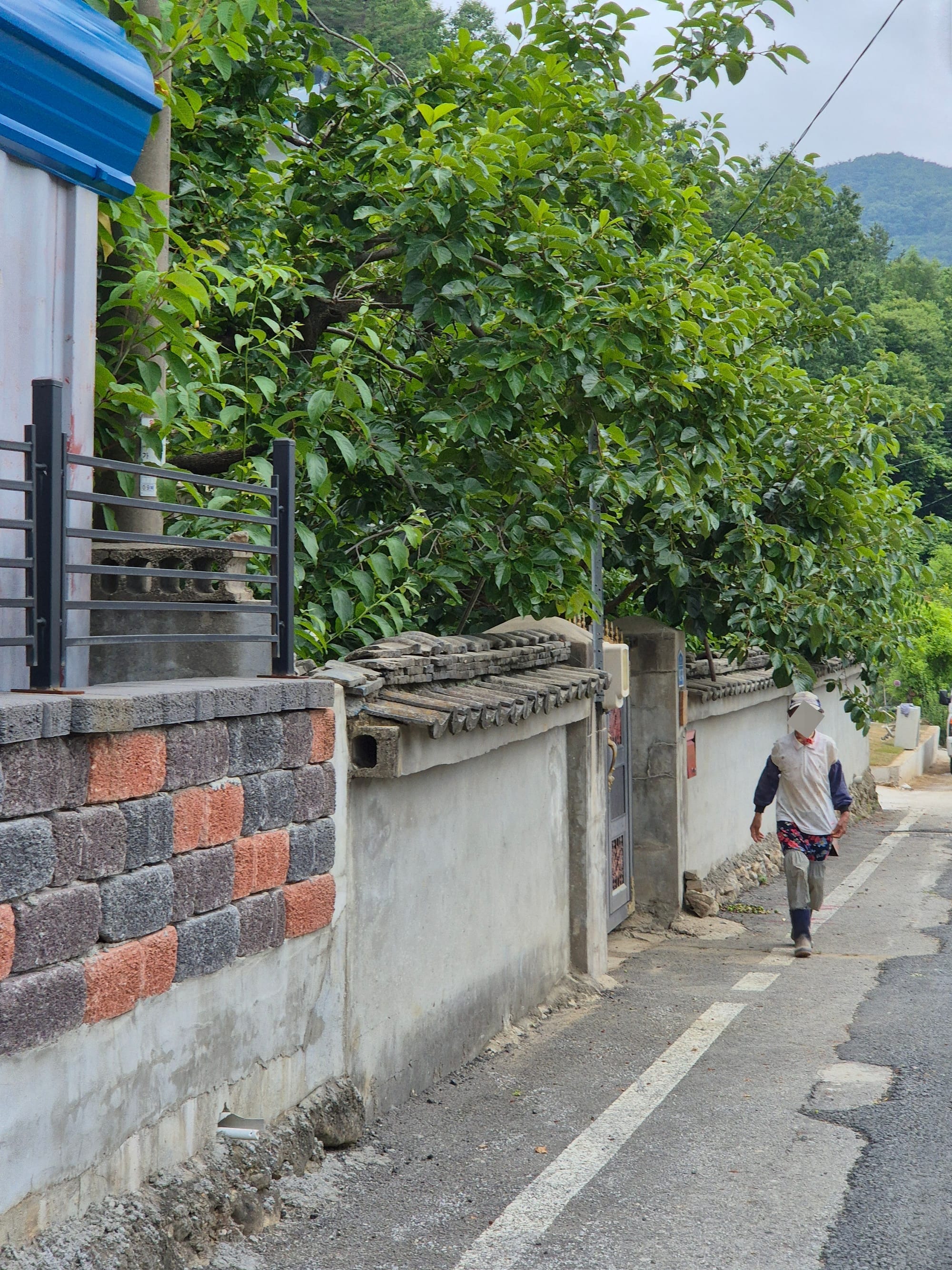
"Ah—she's someone I don't know~" the pastor remarked.
That single line at least dispelled my absurd suspicion. As the woman drew closer, I could see how tense her expression was. It made sense—a young stranger from out of town calling to buy honey would make anyone cautious. I stepped forward with a warm, bright smile to greet her, and only then did a relieved smile spread across her face.
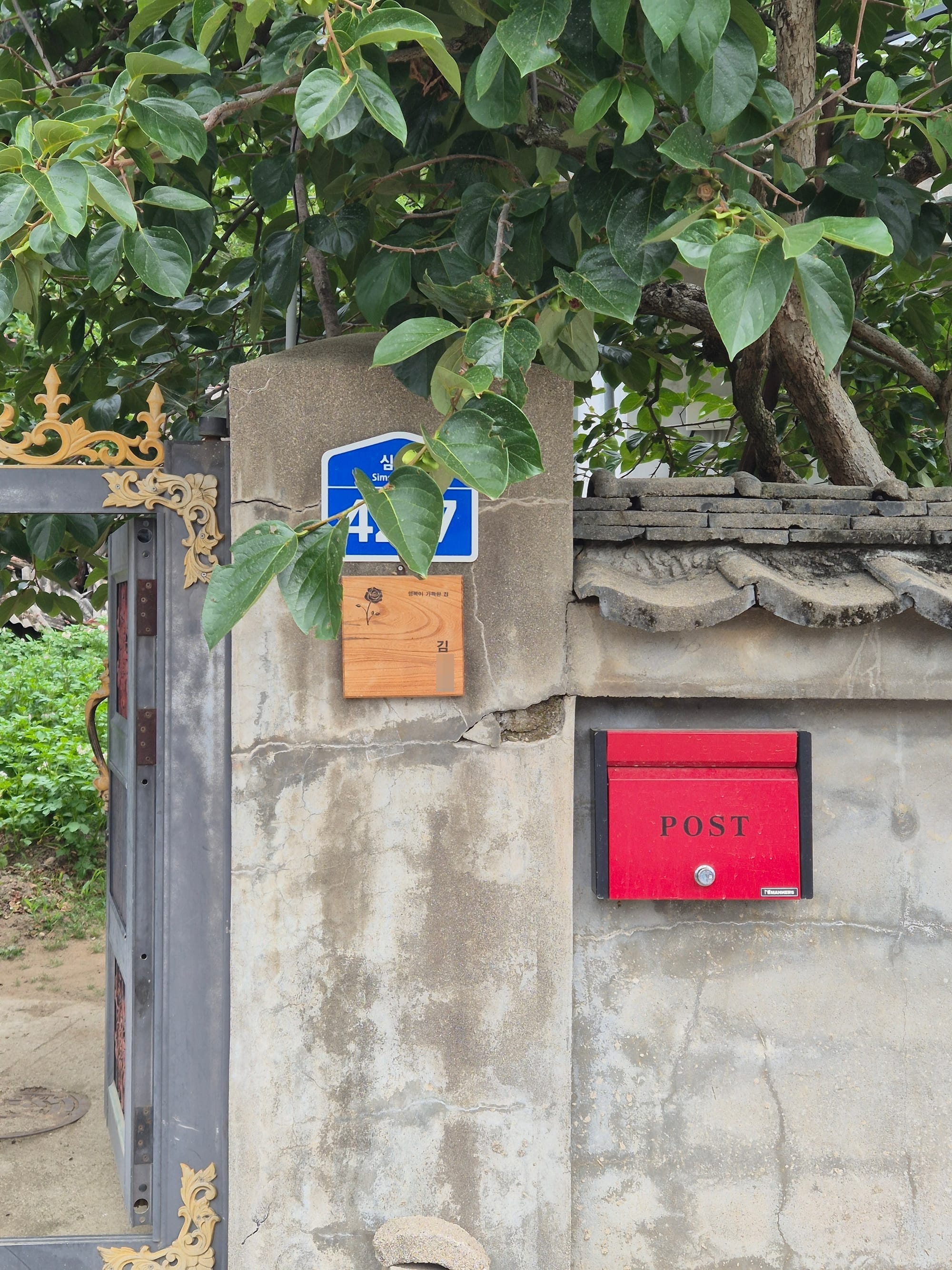
Her home, where she led us, was beautifully maintained and neat. It was hard to believe she was the same cautious person from a moment ago—she welcomed us into her yard without hesitation and offered us seats. Then, she brought out a plain, unbranded jar of honey with no stickers or fancy packaging.
"We only raise native wild bees, so we can only harvest honey once a year."
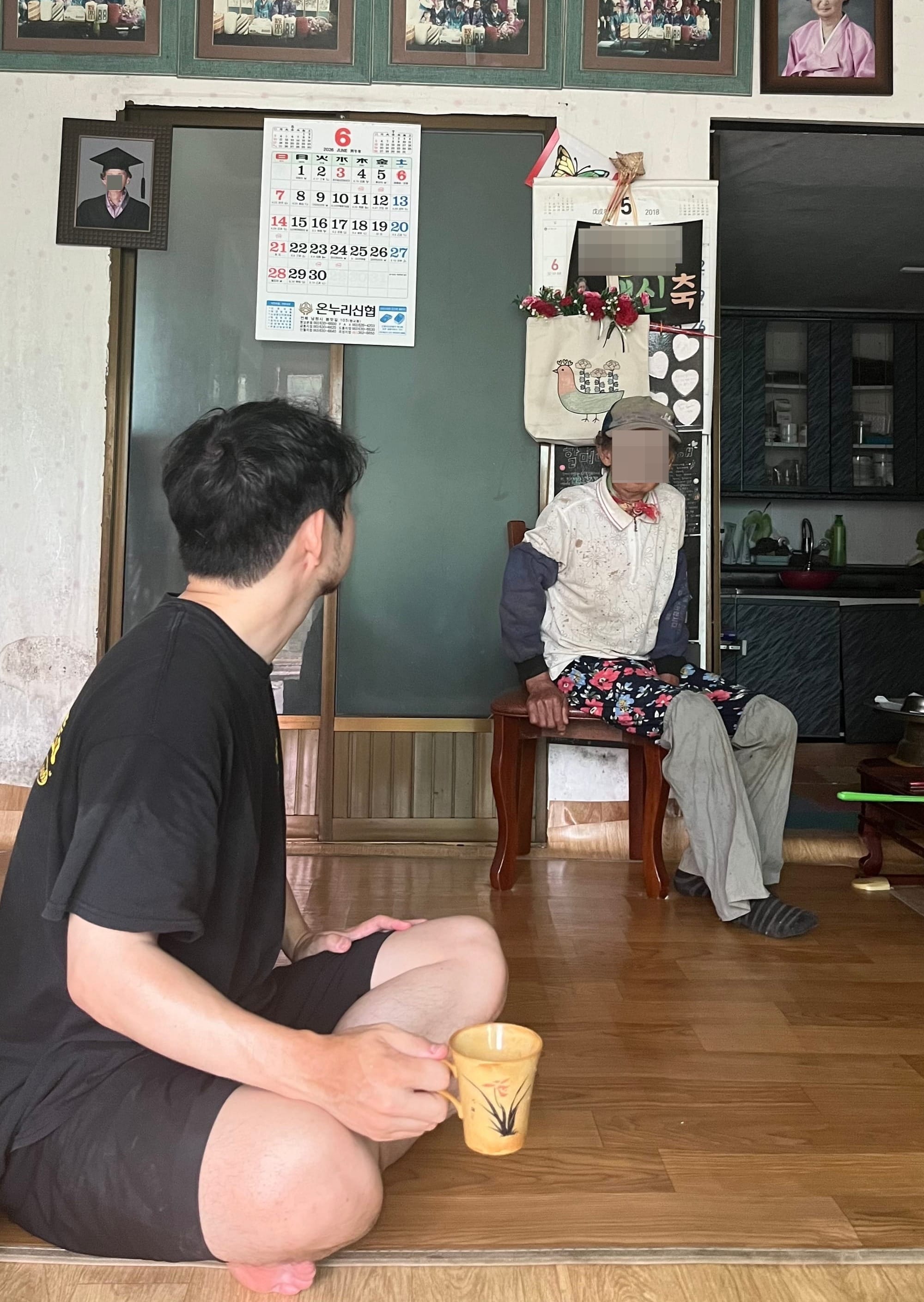
Worrying that the 100,000 KRW price tag might feel steep to us, she added, "My son says he sells this for 200,000 KRW up in the city... but I just sell it like this without any greed."
When she asked if we had eaten breakfast, we waved our hands, saying we'd grab something soon. But she insisted we stay for a cup of coffee and brought out instant mix coffee. Sitting on the floor sipping our coffee, we listened to her proudly talk about her grandchildren, her son, and reminisce warmly about a life filled with love. She told us how the orchard behind the village hill belonged to her late husband, where the bees gathered their honey, softly complaining about how tough it was to manage it alone after he passed away.
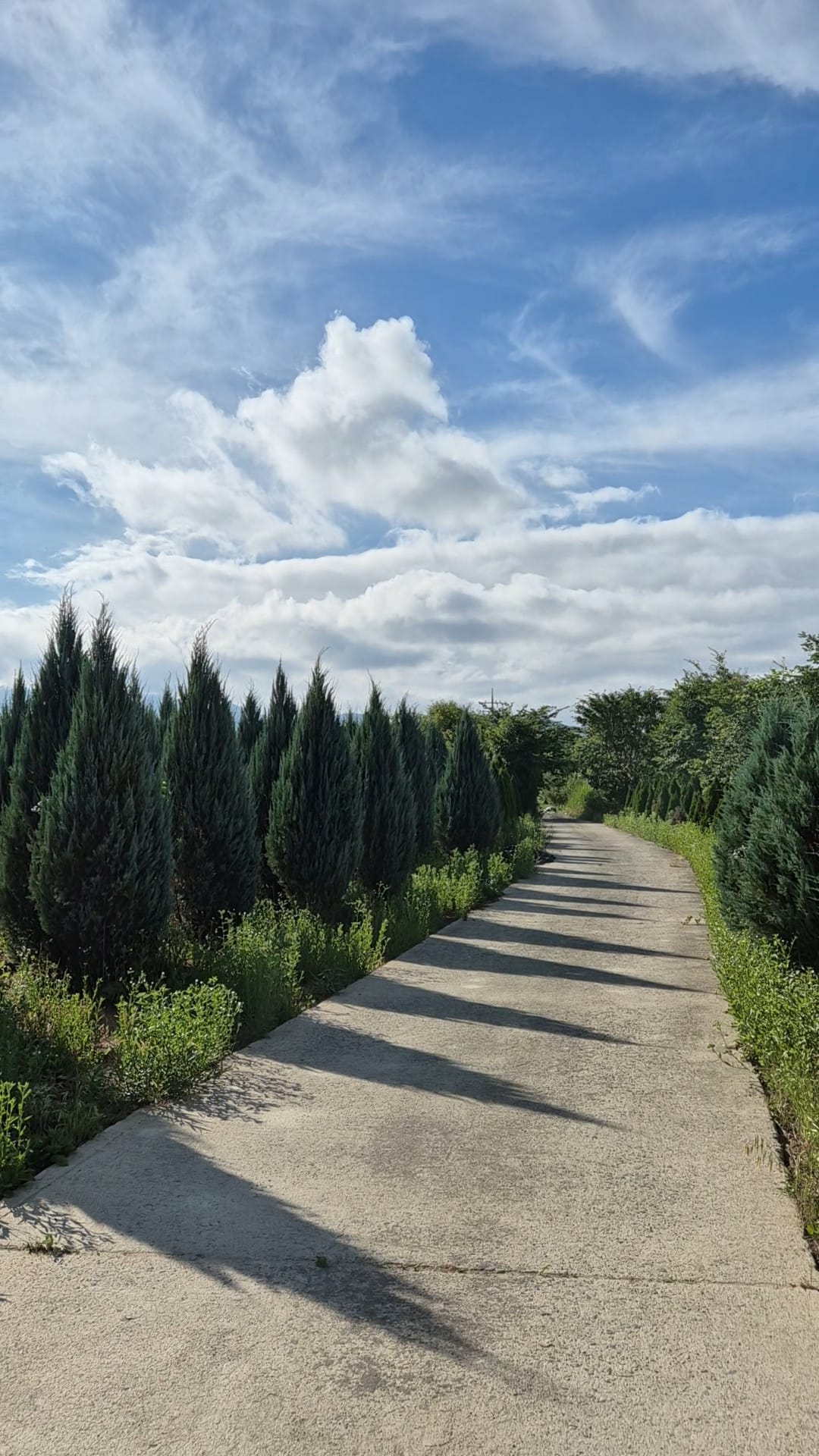
The morning run cutting through fields and paddies, feeling the unhurried rhythm of nature. The unexpected encounter that began with a canned sikhye from a local pastor and led to a warm cup of coffee with the "Honey Grandma." And in my hands, a rare, precious jar of wild honey.
Amid the suffocating pressure of startup survival and success, my mind—once chasing only perfect plans—was quietly filling up with the warm, gentle generosity of the countryside.
(The End.)