
Two Ways to Spot the Right Co-founder

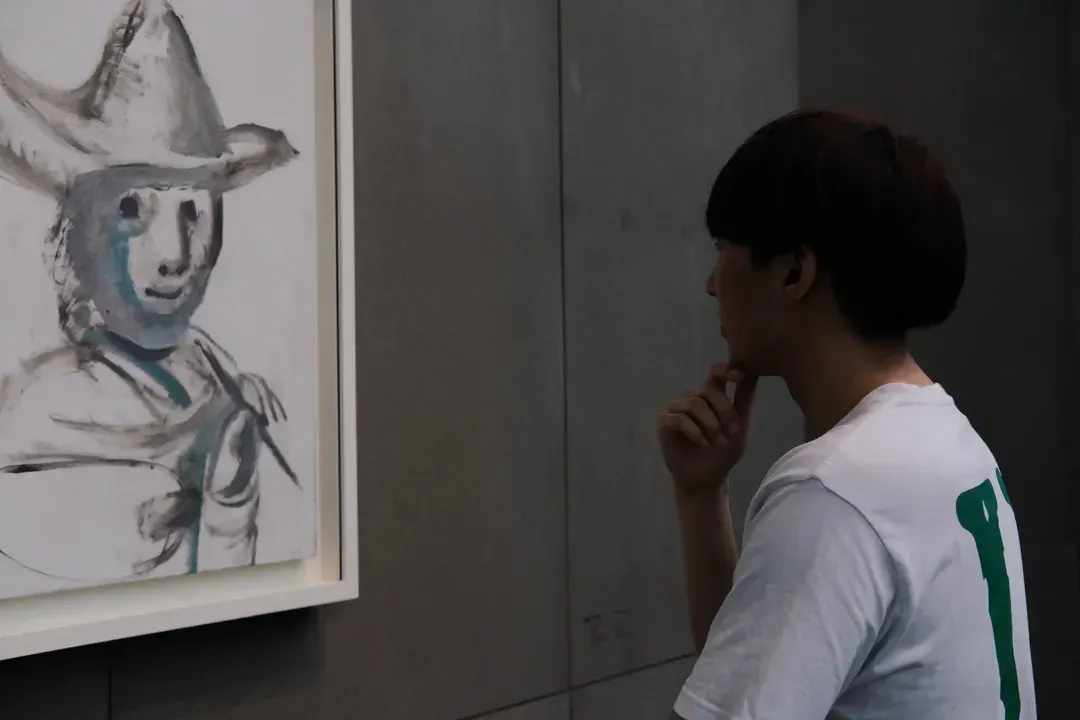
Standing alone in a city
where your phone and cards are utterly useless...
Stepping through the airport doors, Beijing hit me like a wall. Without a VPN, I couldn't send a single message on KakaoTalk. I hailed a cab and pointed blindly toward the address my friend had sent. Knowing only the Mandarin word Qù! (Go!), I tapped the screen and repeated it like a chant: "Qù! Qù!" We drove for what felt like hours through a maze of packed apartment blocks until the cabby pulled over.
'Must be here.'
I slid my credit card forward and reached for the door. The driver waved both hands in refusal:
"Bù néng!" (No card!)
As we went back and forth, my friend appeared out of nowhere. A few rapid-fire sentences in Chinese, a clean ding from WeChat Pay, and the fare was settled. A strange sensation washed over me—like turning into an infant. Crossing one border stripped away my ability to read, speak, and spend money. Every habit I took for granted back home collapsed overnight.
He pulled me into a bear hug with a grin:
"Hey, Yung!"
His boyish features hadn't changed, though a chunky earring caught my eye.
"Man, long time.
If you hadn't shown up, I would've been sold off somewhere."
We grew up living upstairs and downstairs from each other in an apartment complex until moving away parted us. He moved to China with his father for his childhood, went to college in the States, and eventually put down roots in Beijing.
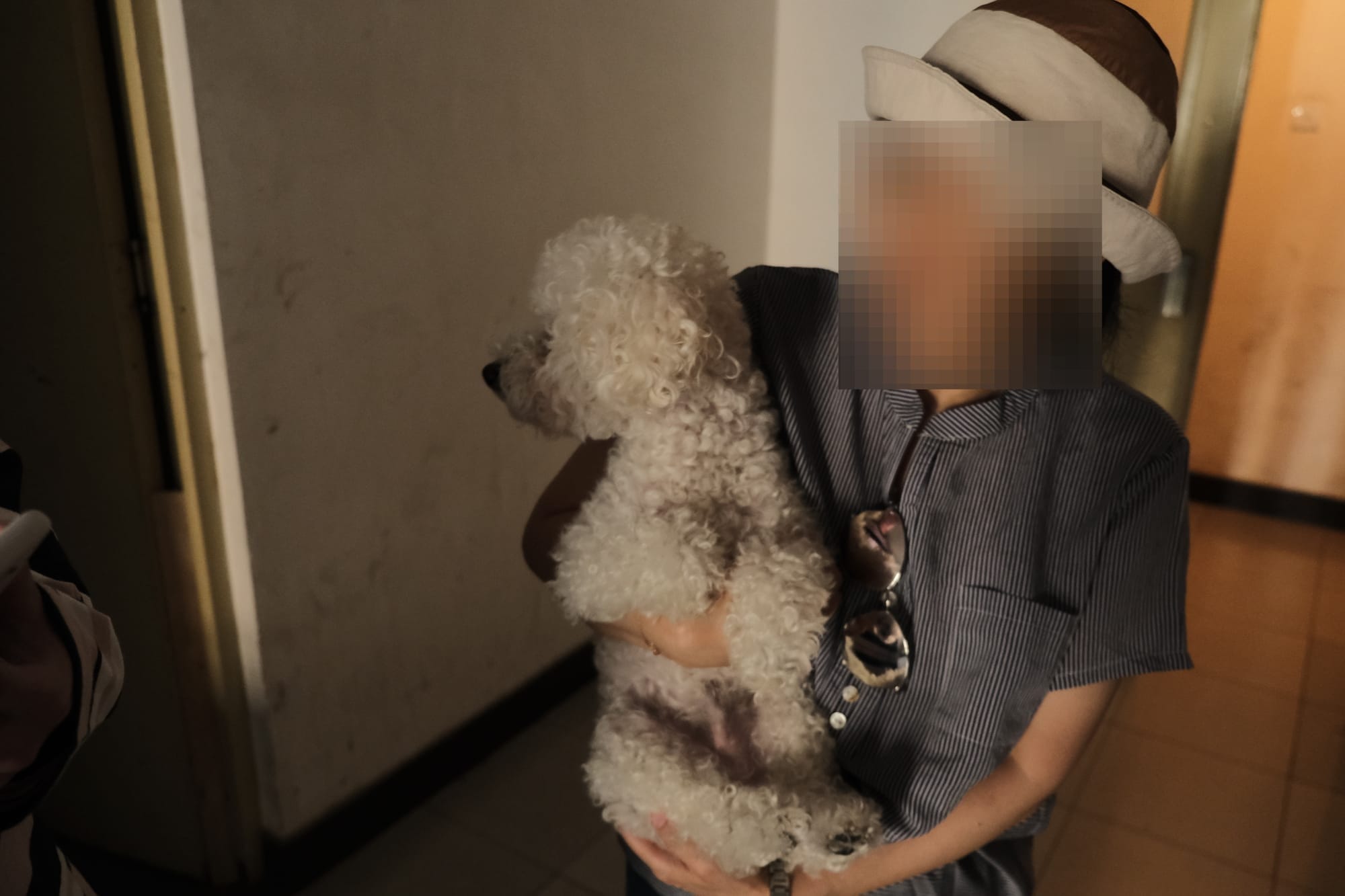
After twenty years apart, he and his mother welcomed me like family (along with their dog, though his nonstop barking suggested he was less thrilled). They gave me a spare room, cooked hot meals, and hired a driver to show me every corner of the city. Walking through the summer heat at the Summer Palace where Empress Dowager Cixi once stayed, I took a sip of the passionfruit iced tea his mother packed early that morning. Crushed ice and cold sweetness rushed down my throat. In that instant, knowing someone had my back in an unfamiliar country felt sweeter than the tea itself.

Dropped into a place where nothing you know works.
Back in Korea, as I met other founders and started my own company, memories of China kept resurfacing. That helplessness in Beijing—where cards and messengers were useless—mirrored early-stage startup life, where past credentials and networks mean nothing.
Rule 1: Trust Before Strategy
Many founders scout co-founders at networking mixers and startup bootcamps, hunting for a partner to brave an unmapped market with zero institutional guardrails. Can trading hundreds of business cards land you a real partner? It happens, but testing trust through trial and error burns time and capital an early-stage team simply doesn't have.
Teams that endure grueling early runs rarely met at a mixer right before incorporating. They rely on pre-tested trust: former colleagues who pulled all-nighters together, or childhood friends who have already seen each other’s worst sides and baseline character.
Knowing when to invert the order of trust and partnership is a founder's instinct. In calm times, you meet someone and build trust step by step. In volatile, zero-visibility turbulence, you lock arms with someone whose character is already a proven quantity.
Rule 2: Tacit Survival Knowledge
If even one person on a team possesses raw survival know-how, the odds of collective survival jump exponentially. Field instincts—how a foreigner sets up WeChat Pay, which VPN actually functions under a blackout, which alleys to avoid—cannot be Googled or prompted out of an AI**. Startups work the same way. Textbook knowledge and impressive resumes crumble against unscripted variables. How to navigate a cash crunch, how to steady a sinking ship, which contracts hide poison pills—this internalized grit cannot be bought off the shelf. Look for people who muscle through walls and hold an intuitive feel for empirical testing.
In the journey from zero to one, straight-A students who know the textbook answers matter far less than tenacious hustlers with pure survival instincts.***
Landing at Beijing Capital Airport, I was helpless.
What saved me was twenty years of tested trust,
paired with the scrappy street smarts my friend had built with his own hands.
Landing in the wilderness of a startup is no different.
A great co-founder saved my life. Bragging?
— You bet I am.
(End.)
*In fact, the author watched several potential co-founders walk away before meeting his current partner.
**Today, tech circles refer to this as tacit knowledge. Michael Polanyi, Personal Knowledge, 1958.
***This is precisely why startup circles place such an obsessive premium on underdog grit, hustle, and bootstrapping experience.