
Why Yuhan Corporation Was Destined to Be Sustainable (feat. A Must-Read If You've Ever Used Antiphlamine)


"Comfortable success traps the soul in complacency. The skills and capital I possess must be directed toward the suffering of my sickest and poorest compatriots."
Detroit, Michigan, 1926. A young businessman, who had joined the ranks of millionaires in his twenties thanks to the massive success of the Asian food company 'La Choy Food Products,' made a shocking declaration to his partner.
"I am giving up all my shares in the company and returning to Korea."
A company experiencing explosive growth as it entered major supermarkets across the United States. The life of an American elite, guaranteed wealth and comfort. Holding the phenomenal fortune he had built day and night while his compatriots were being looked down upon in a foreign land, he gave up all his vested rights without a single ounce of regret and turned his steps back to his wretched, impoverished homeland under Japanese colonial rule.
He was none other than Dr. Ilhan New, the founder of Yuhan Corporation.
Today, when countless founders agonize over "How can I grow the company, exit, and maximize my personal wealth?", Ilhan New asked a different question 100 years ago: "How can I use the wealth and skills I've gained to save the dying lives of my people?"
"I am convinced that honesty is the most powerful and profitable strategy in business. Deceit provides short-term gains, but honesty builds a massive capital of trust."
Space 1. Where a 14-Year-Old Boy's Independence and Patriotism Were Forged (1909, Korean Boys' Military School in Nebraska, USA)
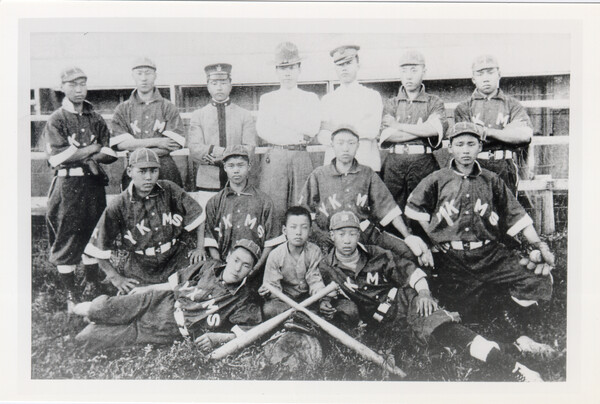
In 1904, at the tender age of 9, Ilhan New (born Ilhyung New) was sent to study in the United States by his father, who had been persuaded by Yu Kil-chun, a diplomat of the Korean Empire. The young boy crossed the Pacific Ocean and landed in Hastings, Nebraska.
In 1909, 14-year-old Ilhan enrolled in the 'Korean Boys' Military School' established by Park Yong-man. During the day, he worked on farms to earn his tuition. At night and on weekends, dressed in a military uniform and sandals, he carried a wooden rifle and underwent military training.
While many of his compatriots wandered in a foreign land, losing their identity, he engraved an overwhelming sense of independence and patriotism into his bones through farm labor and military drills. He later enrolled in the business school at the University of Michigan, funding his own education. After graduation, he joined the global corporation General Electric (GE), securing a stable future as an elite corporate employee.
This is what he learned in that space:
"Recognition in a foreign country and personal comfort are nothing but a sandcastle if you do not have a homeland. One who cannot stand on their own cannot save others."
Space 2. Leaving Behind a Millionaire's Comfort and Folding the Napkin (1922, 'La Choy Food Products' in Detroit, Michigan)
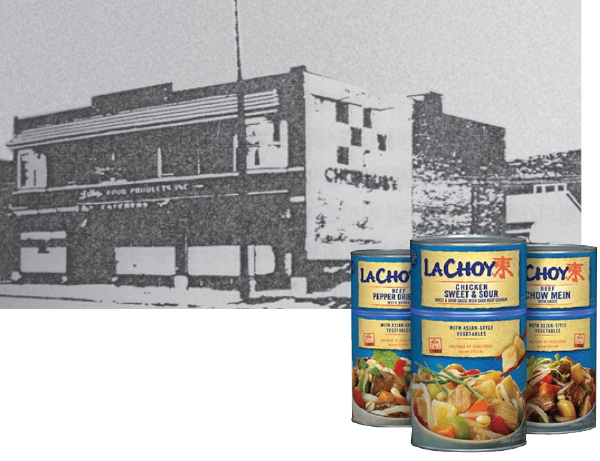
After leaving GE, Ilhan New co-founded a mung bean sprout canning company, 'La Choy Food Products', in 1922 alongside his college friend from the University of Michigan, Paul P. Chow.
Sensing the surging demand for Asian food in the U.S., he developed a glass jar container and innovated the canning process to maintain the freshness of easily perishable bean sprouts. Shortly after its launch, La Choy achieved explosive success, entering major supermarkets across the country. In his twenties, Ilhan New became one of the most prominent young businessmen in American society and joined the ranks of millionaires.
He stood at the pinnacle of American society, yet for him, wealth was merely a means, not an end. To return to his homeland and contribute to the survival of his people, he sold all his shares in La Choy and liquidated his massive capital.
This is what he learned in that space:
"The purpose of a business is not simply to accumulate wealth. If there is no fundamental answer to where and how that harvested wealth should be spent, success is nothing but an empty shell."
Space 3. Where the Seed of the Willow Spirit Was Planted (1925, Meeting Dr. Philip Jaisohn in Philadelphia)
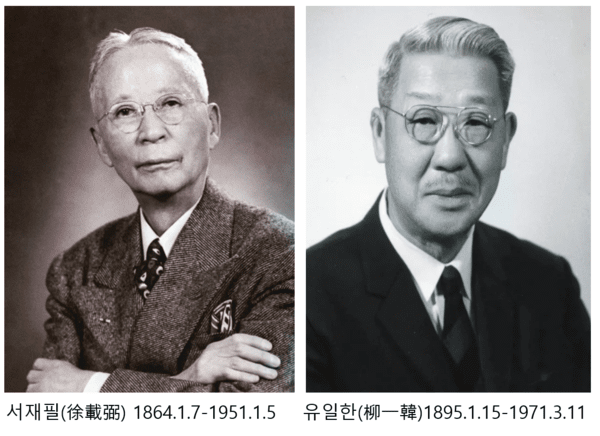
In 1925, ahead of his return to Korea, Ilhan New visited Dr. Philip Jaisohn (Seo Jae-pil), the godfather of the Korean independence movement, in Philadelphia.
Dr. Jaisohn, who was a physician at the time, offered pointed advice to the young man attempting to return and start a business in his homeland. "Koreans are dying right now from malnutrition and disease. Only a healthy people can reclaim their lost sovereignty."
Dr. Jaisohn gifted him a thick wooden carving of a willow tree and said:
"No matter what storms blow, a willow tree sets its roots deep and does not break. Just like the willow that creates shade for weary travelers to rest, build a business that becomes a shade for the people."
This is what he learned in that space:
"An entrepreneur is not a mere merchant. They are someone who creates a sanctuary for the people and casts a life-saving shade, even in the midst of a storm."
Space 4. Where the People's Medicine, Antiphlamine, Was Born (1926, Yuhan Corporation's First Headquarters in Jongno 2-ga, Seoul)
On December 10, 1926, at 33 Jongno 2-ga, Seoul. Ilhan New established 'Yuhan Corporation', combining his own name with a meaning that translated to "peace for all under heaven."
At the time, fake and substandard medicines flooded the streets of Joseon. Without access to basic anti-inflammatory painkillers or hygiene products, a vast majority of the people lost their lives to minor illnesses. Ilhan began supplying tuberculosis drugs, disinfectants, and sanitary goods imported from the U.S. at honest, fixed prices.
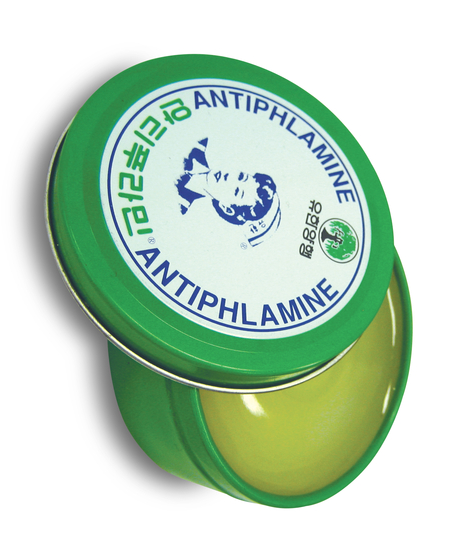
Then, in 1933, after extensive research with his wife, Dr. Mary Ho (a physician herself), he launched 'Antiphlamine', an in-house developed anti-inflammatory painkiller that would become a household staple for the entire nation. Spreading like a cure-all among the people whose pockets were thin, Antiphlamine cemented Yuhan Corporation as a trusted national enterprise.
This is what he learned in that space:
"What matters more than flashy marketing is an essential product that heals the customer's deepest pain point. That authenticity dictates a company's longevity."
Space 5. The Outpost of Korean Pharmaceutical Localization (1936, Sosa Pharmaceutical Factory in Bucheon)
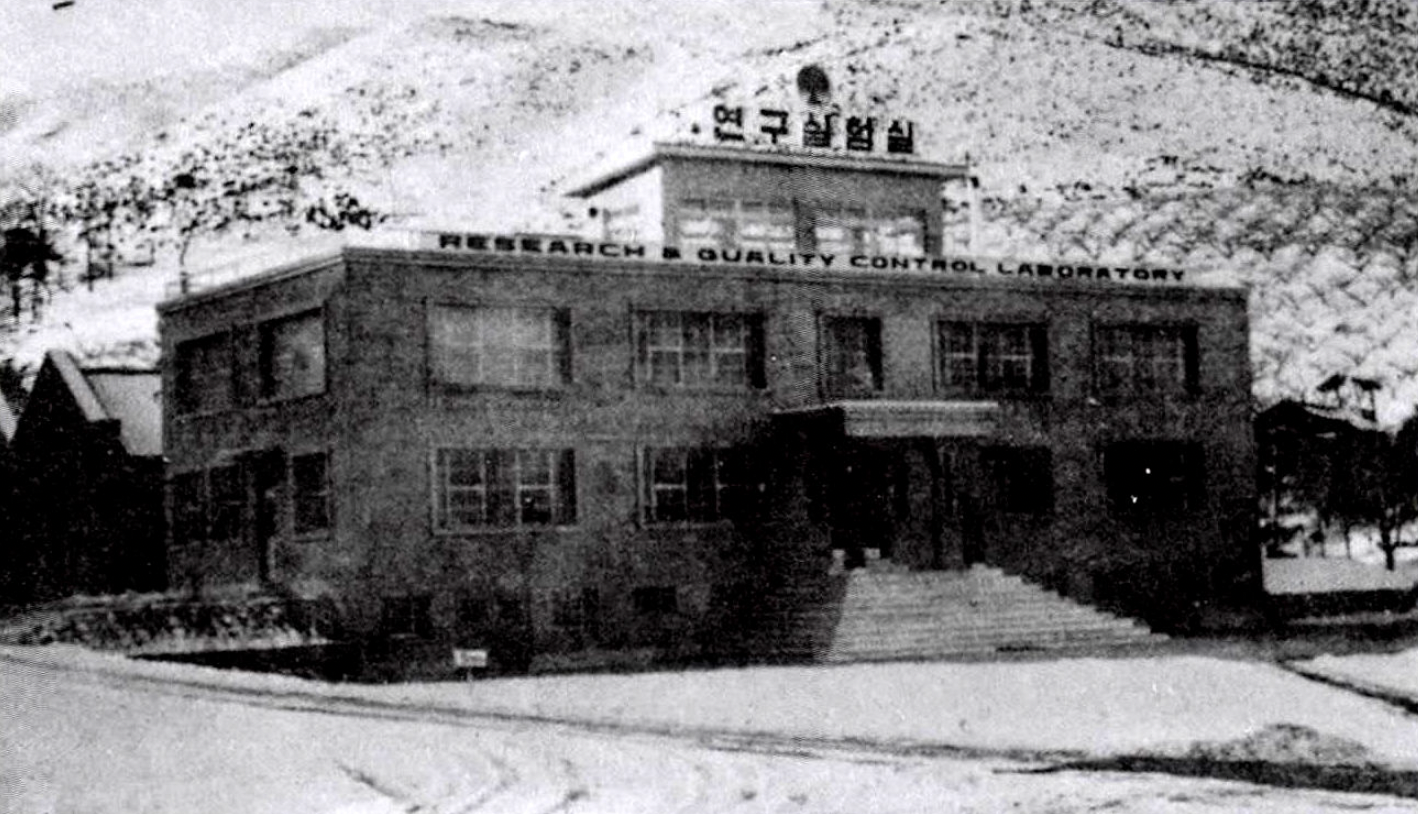
In 1936, Yuhan Corporation transitioned into a joint-stock company and built a large-scale, modern pharmaceutical factory in Sosa, Bucheon, Gyeonggi Province.
In Joseon, which relied heavily on imports for most medicines at the time, the Sosa factory was the first in Korea to be equipped with modern pharmaceutical facilities, spearheading the localization of drugs. Dr. Ilhan New created an unprecedented working environment for that era by planting green trees and rose gardens around the factory, and outfitting it with the latest sanitary facilities, employee housing, a library, and a sports field.
He viewed workers not as disposable parts, but as partners in the enterprise. In 1936, he became the first in a Korean company to introduce an employee stock ownership plan (the prototype of stock options), distributing shares to his employees.
This is what he learned in that space:
"A company's true growth does not begin with the size of its factory, but with the dignity and sense of ownership of the people working within it."
Epilogue: True Monopoly Begins When You Discard Comfort
Ilhan New, a young man in his twenties who rejected the comfortable life and guaranteed future of an American millionaire, and instead returned to a Joseon pushed to the edge of a cliff under Japanese colonial rule.
Rather than enjoying vested rights on a track built by others, he chose the path of stepping directly into the lives of the most suffering people, creating an essential product (Antiphlamine) and an honest system.
It is only when you shatter your own comfort and dive headfirst into the essence that your own unrivaled value and soul—something even massive capital cannot mimic—truly begins. Today, I urge you to lay down the comfortable privileges you have been trying so hard to protect, and take your first step toward the very essence of the problem you genuinely need to solve.
※ The factual context of Part 1 of this newsletter is based on historical records, including Dr. Ilhan New's birth in Pyongyang in 1895, studying in the U.S. in 1904, enrolling in the Korean Boys' Military School in Nebraska in 1909, graduating from the University of Michigan's business school and joining GE, founding and succeeding with La Choy canning company in 1922, meeting Dr. Philip Jaisohn in 1925, establishing Yuhan Corporation in 1926, developing Antiphlamine in 1933, and building the Sosa pharmaceutical factory in Bucheon while implementing the employee stock ownership plan in 1936.