
The Old House

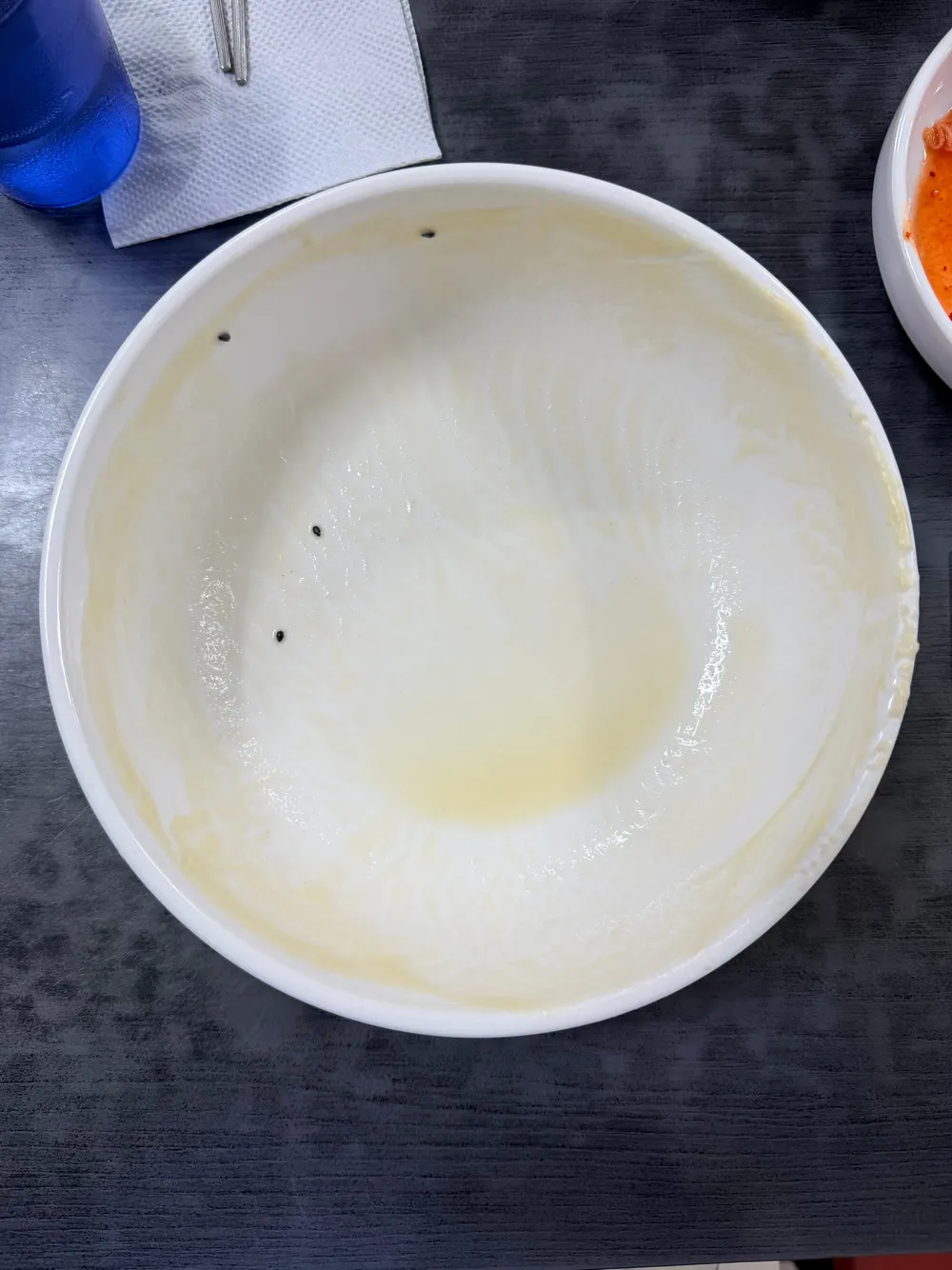
A month slipped by in the blink of an eye. Part of me wondered if I should have committed to writing once every three months instead. Weaving personal stories into physical spaces proved far harder than I had imagined. So this time, I decided to take a lighter approach. Besides, it feels fitting to write about the very first spot I visited with Editor Jonathan, who originally suggested this spatial series.
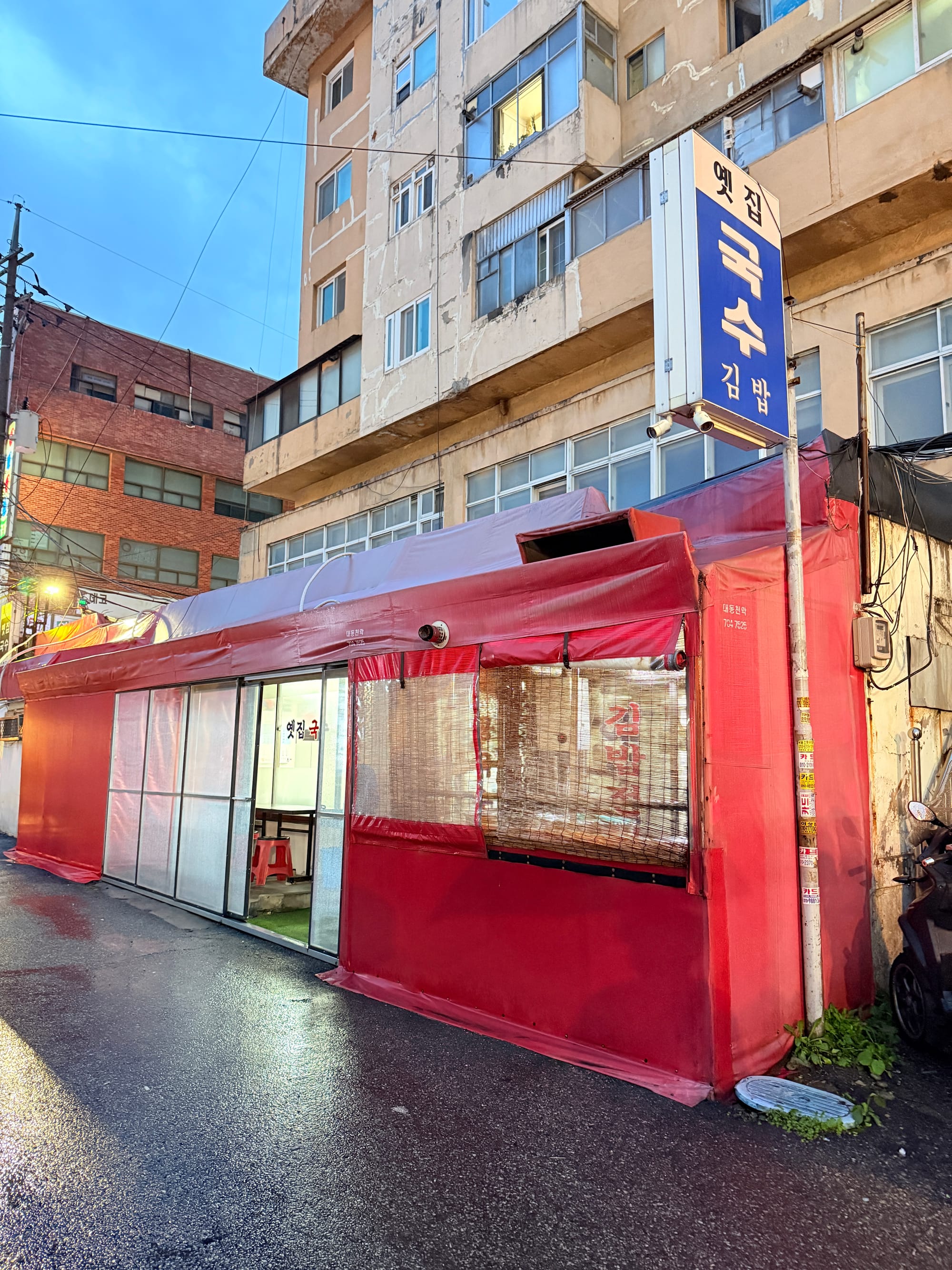
The name alone captures the essence of this place. Yetjib—literally, "The Old House." Could there be a more honest, unpretentious name? Stumbling upon it was pure serendipity. All I wanted was my first bowl of kongguksu (chilled soybean noodle soup) to welcome summer. Bypassing the newly minted, trendy eateries mushrooming around Samgakji, I simply searched for "Samgakji Station kongguksu." That was how I found this place.
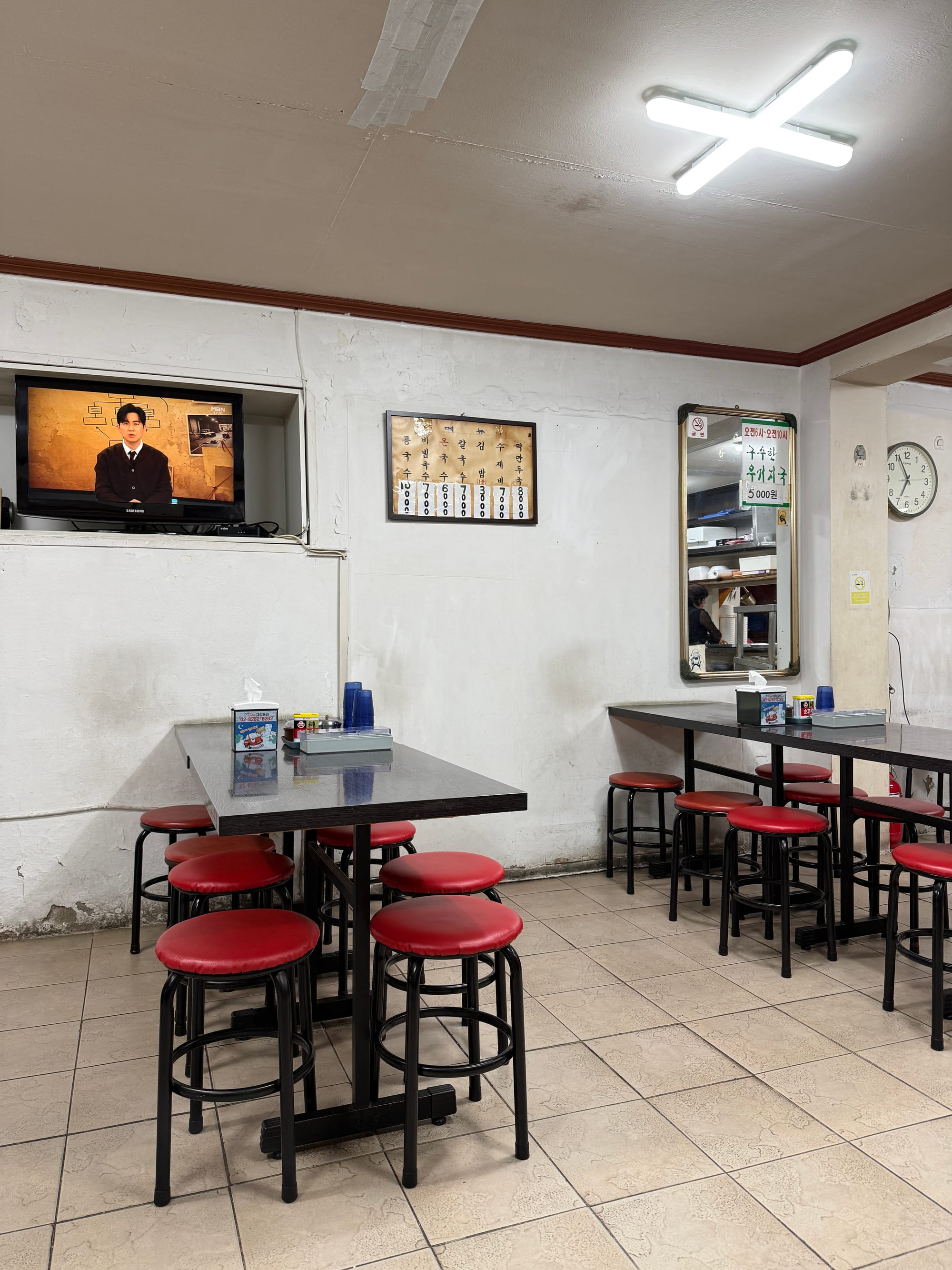
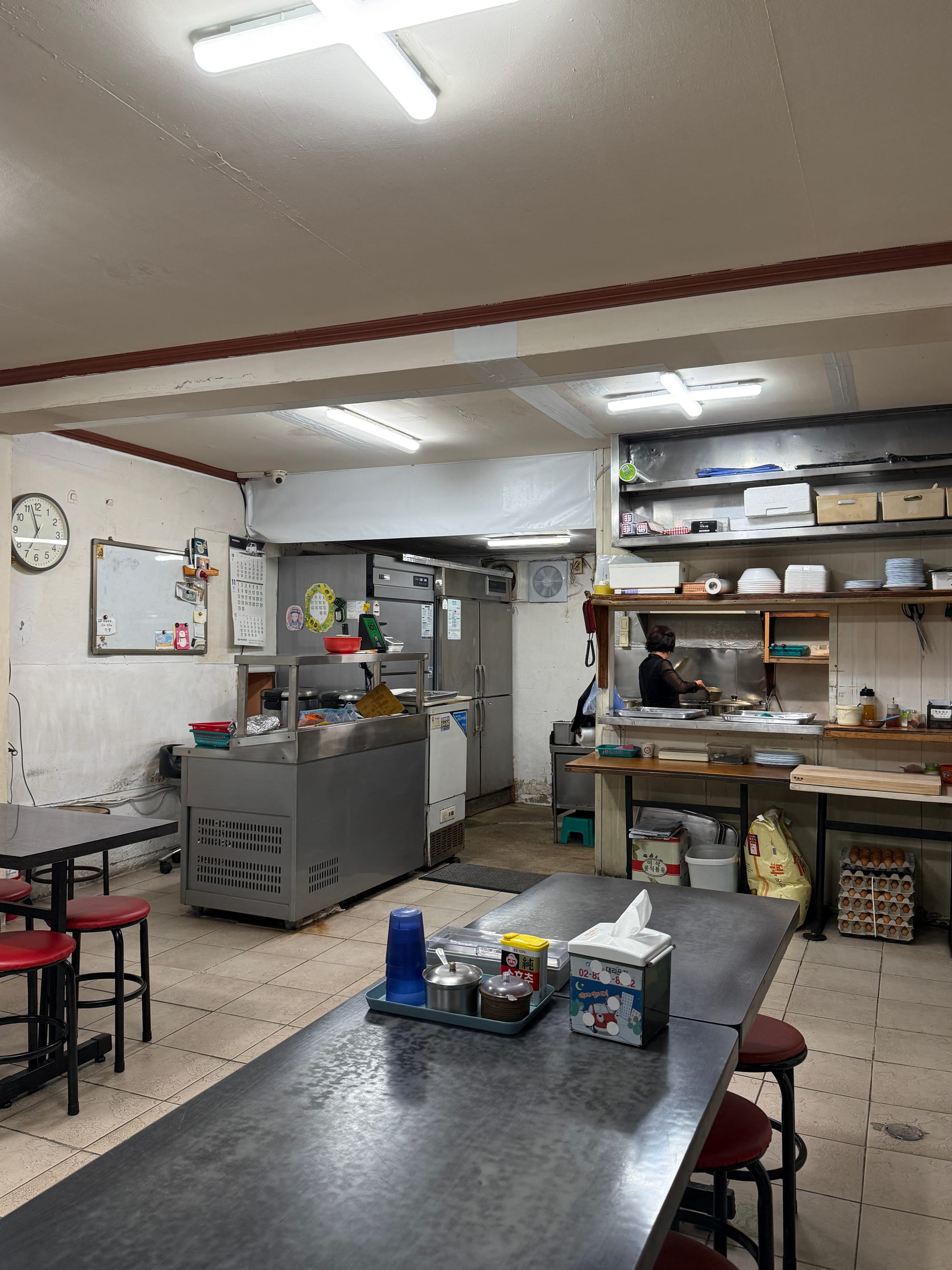
When I called to check their hours, they said they were closing in about thirty minutes. Somehow, even that felt just right. As soon as we arrived, I ordered the kongguksu I had been craving and took a look around. It felt as though I had stepped into a time machine set for twenty years ago. Not a single thing in the room felt modern. Objects with at least a decade or two of quiet history held their ground in every corner. Even the small TV recessed into the wall seemed to broadcast news from 2006 rather than 2026. In a world hurtling forward at breakneck speed, the quiet resilience of a place like this felt deeply precious.
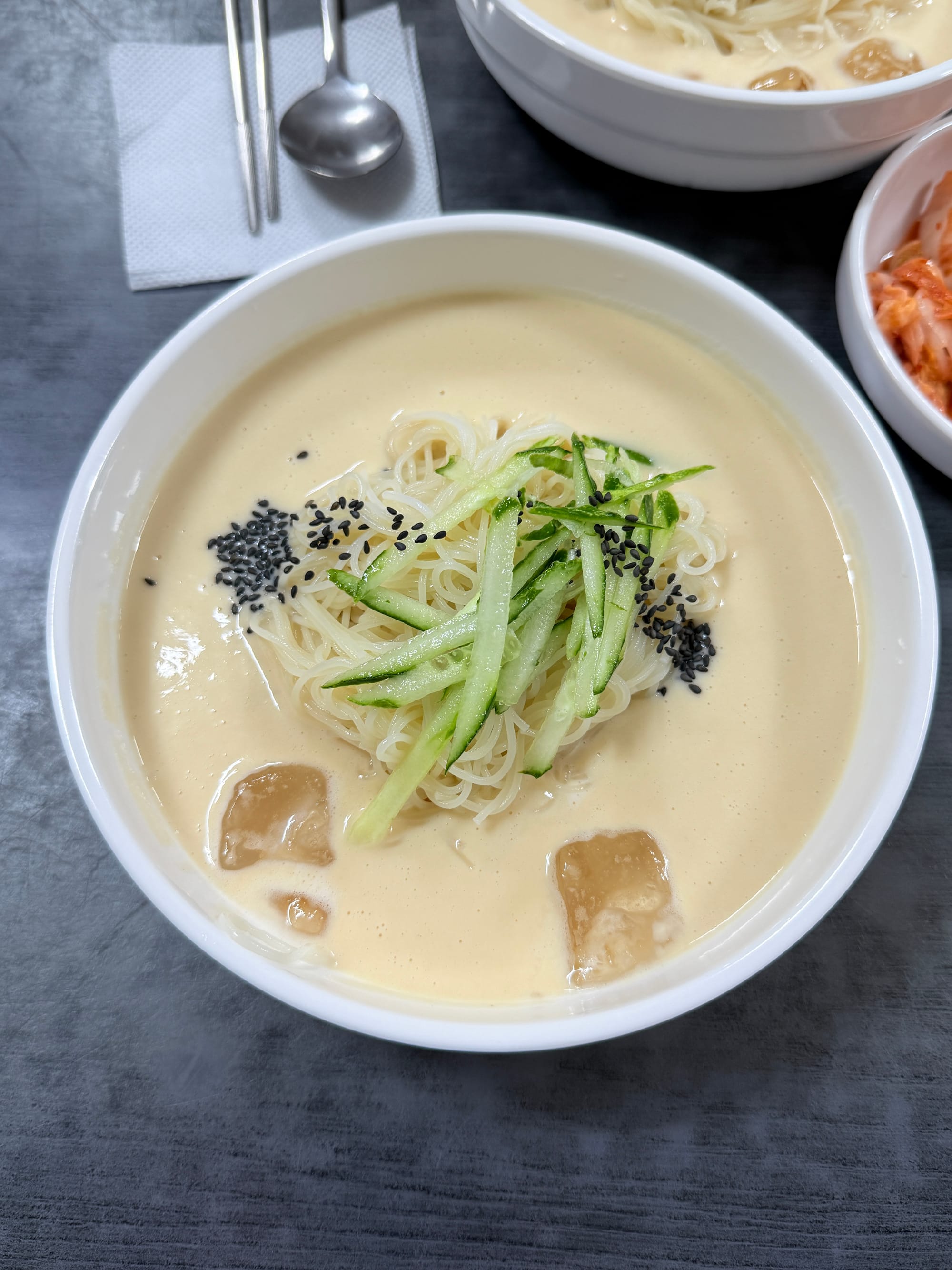
The atmosphere alone earned a passing grade before the first bite. The kongguksu was clean, subtle, and balanced—neither overdone nor lacking. The noodles were delicate wheat somyeon. Both of us were serious enough about kongguksu to spend the entire meal debating other bowls we had loved, and we drank every last drop of the broth.
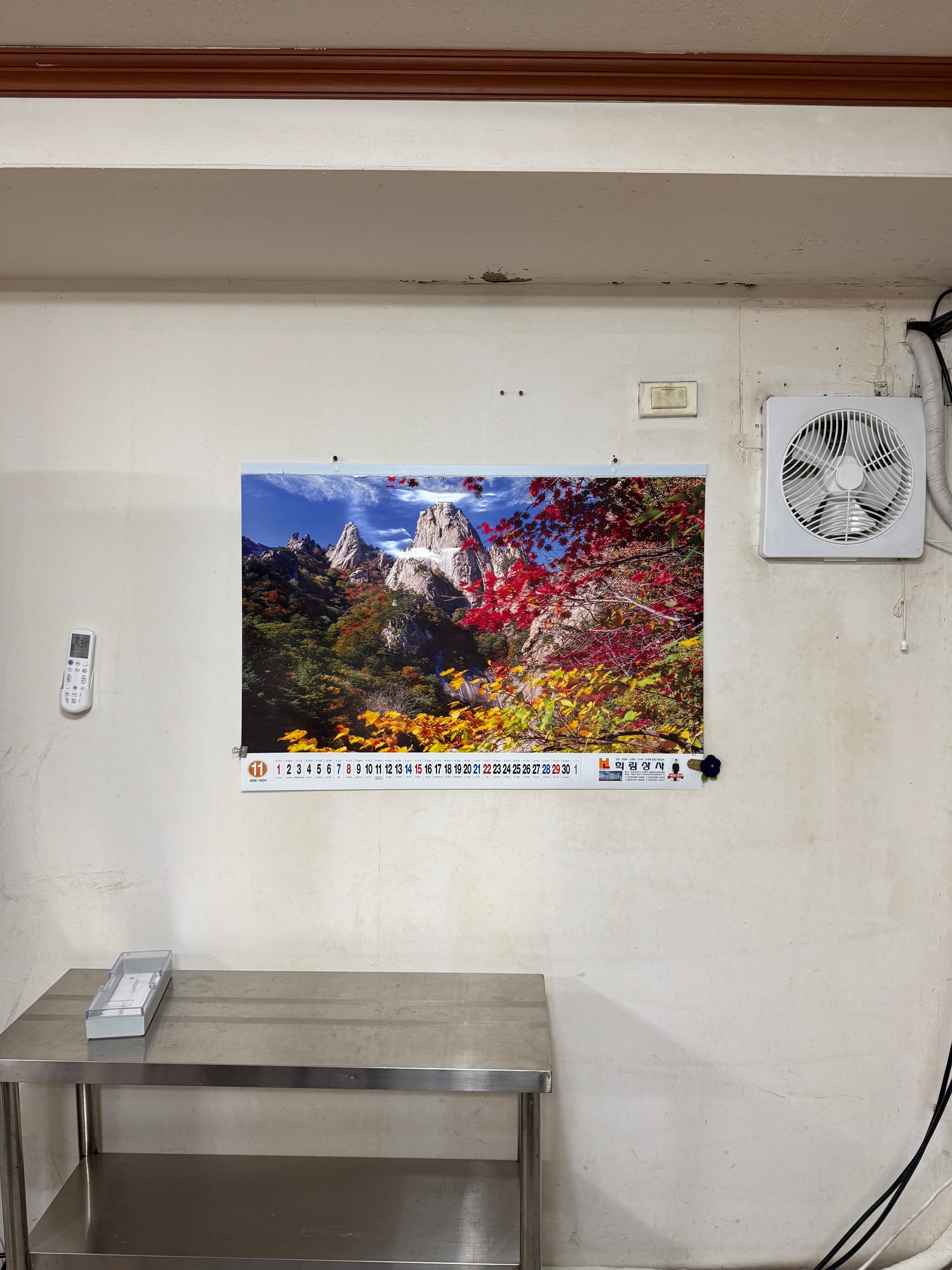
When I returned in November, an old-fashioned tear-off calendar hung on the wall—the kind you rarely see anywhere these days. Having missed it back in July, I felt a twinge of fond regret.
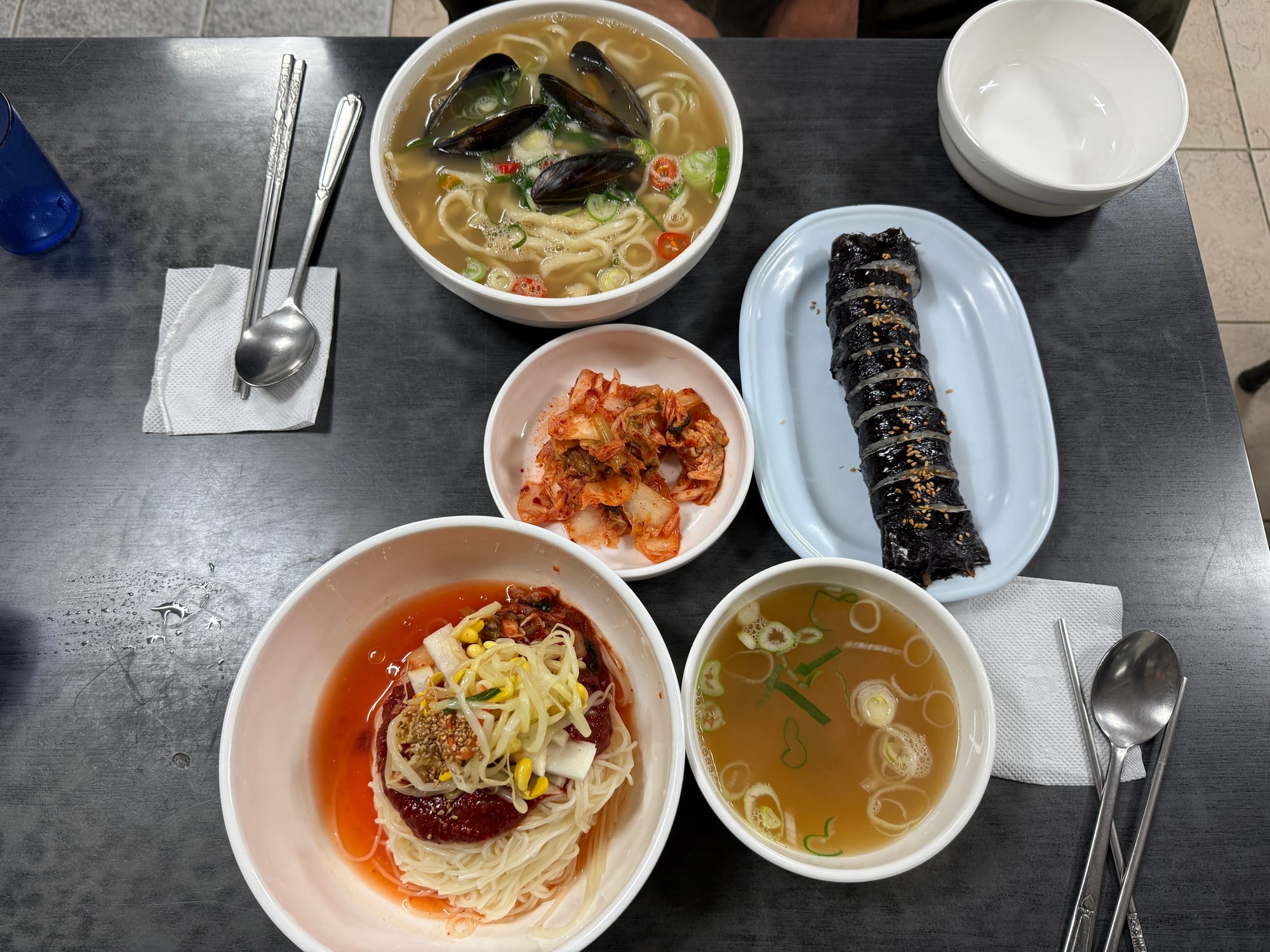
This time, we ordered kalguksu (knife-cut noodle soup), bibim-guksu (spicy mixed noodles), and the kimbap that had lingered in my mind since our last visit. They serve only one variety of kimbap, priced at an astonishing 3,000 won (barely over two dollars). Even after ordering all three dishes, the bill came to less than 20,000 won. Overhearing us agonizing between sujebi (hand-pulled dough soup) and kalguksu, the owner kindly slipped a few generous pieces of sujebi into our kalguksu bowl on the house. With that kind of unvarnished warmth (jeong), everything about this place felt complete. Just writing this makes me want to head back and work my way through the rest of the menu.
(The End.)
- Fun Discovery: A quick search revealed that this unassuming spot has been featured on major Korean food programs like Wednesday Food Talk, Master of Living, and Jun Hyun-moo Plan. How had we walked in without a crowd? The fact that you can enjoy such food without waiting in an endless line is half its charm.
- Early Morning Secret: They open at 6:00 AM, serving a limited morning-only ugeoji-guk (cabbage soup). It's bound to be a neighborhood staple at dawn. One of these days, I want to drop by for breakfast right after an early morning run.
- 47 Years of Heritage: The restaurant has been quietly serving noodles for forty-seven years, now run by its second generation.
- Local Pairing: If you visit, make time to stop by Always August Roasters or epp room nearby. Both brew wonderful coffee and serve great desserts—a delightful way to round out the outing.