
How a Successful Entrepreneur Finds Joy in Work (feat. Nike’s Phil Knight)
Beyond Success: The Void and the Eternal

Beyond Success: The Void and the Eternal
Finally, Nike had become a giant. The IPO brought immense wealth, and Nike shoes were pouring out of factories worldwide. But the brighter the light, the darker the shadow.
The death of the star who was Nike’s heart, the growing pains of a massive corporation, and the mysterious emptiness that followed success. Phil Knight now stood beyond the numbers, facing the essential question:
“Why do we run?”
“Success is not a destination. It’s just a license to keep running.”
— Phil Knight
When Nike went public, I became a billionaire. My face was on the front page of the newspapers. But I felt empty. I wore the same clothes as yesterday and ran the same jogging course. Just because I had money didn’t mean I could suddenly fly. Instead, bigger problems were rushing in like a tsunami.
📍 Scene 1. Steve Prefontaine’s Funeral: The Purpose of Nike’s Birth
Location: Eugene, Oregon
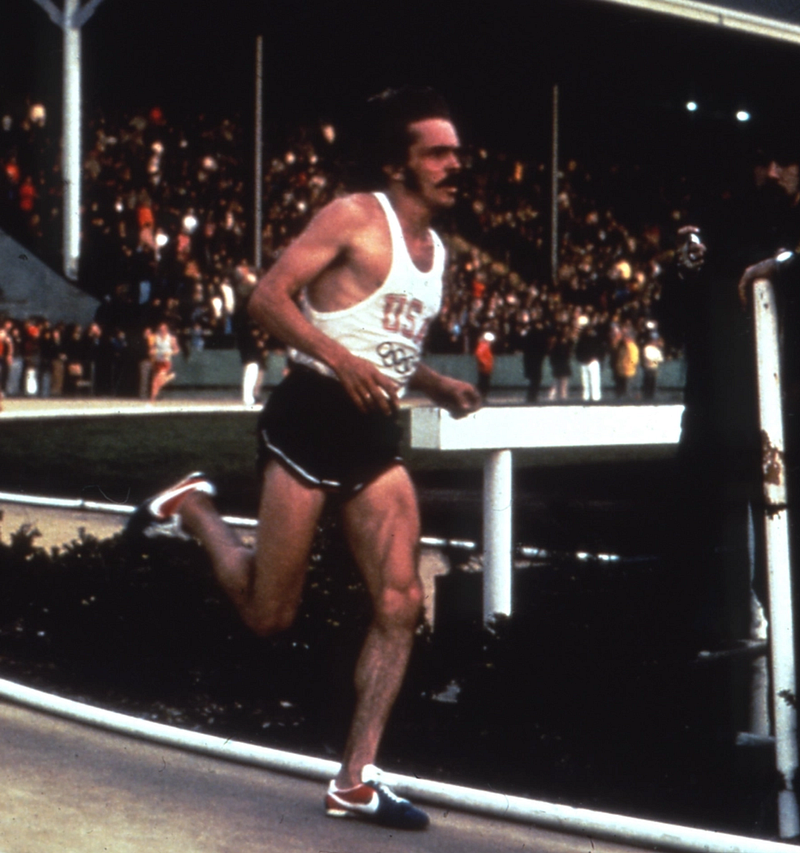
The phone rang at dawn. “Pre is dead. Car accident.” Steve Prefontaine — the soul of Nike and the runner I loved the most — had left us at 24. At the funeral home, I clutched the Nike tracksuit he used to wear and cried like a child.
He wasn’t just a model. His attitude — running as if it were a matter of life and death, saying, “I can’t stand the sight of anyone running ahead of me!” — was Nike itself. I made a vow then. No matter how big Nike gets, we will never lose that spirit. I realized we aren’t selling shoes for money. We are here to help guys like Pre run faster.
Don’t lose sight of why you started. If you run only for money, you die inside.
📍 Scene 2. Factories in Asia: The Stench and the Heat
Location: An Asian Nike Factory
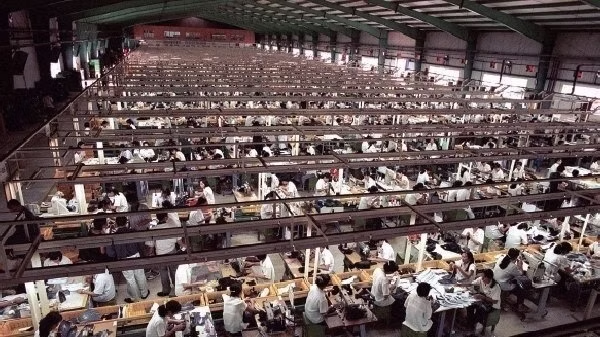
To cut costs, we wandered around Asia looking for cheaper locations. Inside the factory, the smell of steaming rubber and glue was overwhelming. In a place with no air conditioning, hundreds of female workers were operating sewing machines.
At first, the quality was terrible. Shoes didn’t match, and soles fell off. I threw the defective products and shouted, “Is this made for humans to wear?” I spent all night drinking with the factory owner — persuading, fighting, and then hugging it out. The world’s best shoes weren’t made in a clean conference room; they were made on those smelly factory floors.
Don’t think, “This is good enough.” Anyone can make “adequate.” To be the best, you must constantly revise.
📍 Scene 3. The New York Stock Exchange: Victory of the “Buttfaces”
Location: Wall Street, New York
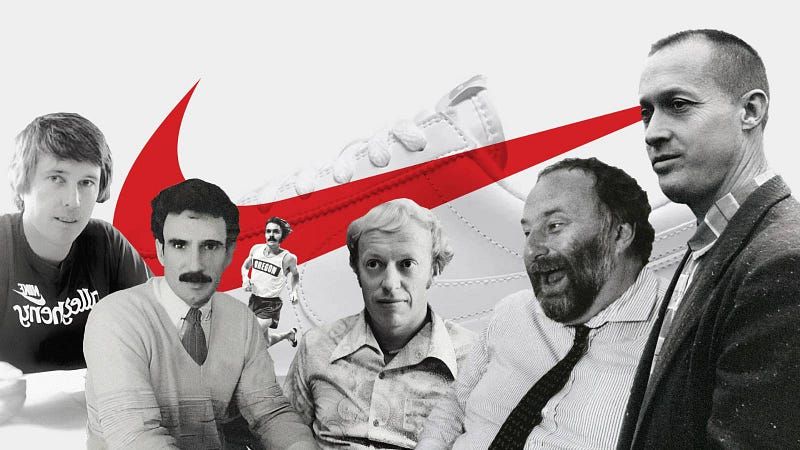
On the day of the IPO, we all wore ties. These were executives who usually wore torn jeans with hamburger sauce stains. Woodell in a wheelchair (COO), the chubby Rob Strasser (the man who birthed Air Jordan), and the eccentric Del Hayes (former CFO). These were our early ‘Buttfaces’ executives. We looked pretty far from being rich, didn’t we?
We looked at each other and giggled. “Man, us entering Wall Street? The world has gone crazy.” The bell rang, and the stock price skyrocketed. We became rich, but instead of a champagne party, we went out for burgers. “Stock is stock; worry about shipping the shoes tomorrow.” Money was just a number. We still had shoes to make.
Note: “Buttfaces” was Nike’s unique, radical culture of total debate where early core executives ditched hierarchy and formality, calling each other idiots while refining innovative ideas through sharp wit and humor.
📍 Scene 4. The Cinema: The Bucket List Question
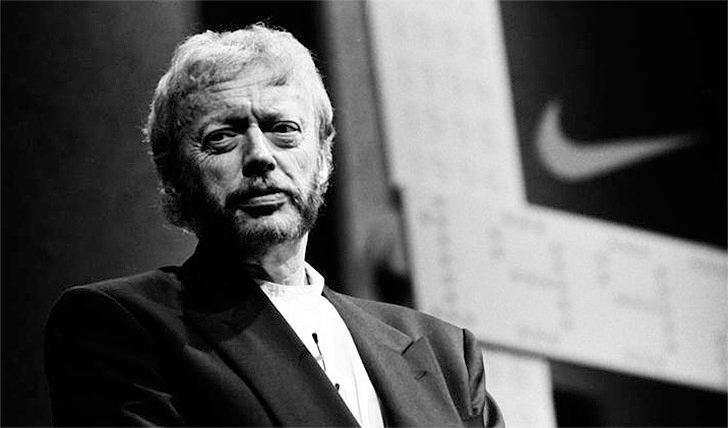
After retiring, I was watching the movie The Bucket List, and one line struck a chord in my heart. “The ancient Egyptians believed that when you die and stand before the gods, you are asked two questions: 1. Have you found joy in your life? 2. Has your life brought joy to others?”
I stopped chewing my popcorn. I had lived my whole life feeling chased. But even if I went back, I would tie my shoelaces and run again. Michael Jordan took flight wearing the shoes I made, and ordinary people started their morning jogs. With that… I think I could answer “Yes.”
Epilogue
The old ‘Shoe Dog’ on the racetrack of life now unties his laces. But his spirit does not stop. The legacy he leaves behind isn’t market cap or market share.
“There is no finish line.” He showed us with his whole body that success is a process, not a destination, and that the courage to just commit — even when afraid — is what turns life into a festival (Just Do It).
His story ends here, but your race is just beginning.
Just Do It
Author Linkedin