
Even Samsung Started with Noodles. Ho-Am Lee Byung-chul (Samsung)
Challenge and Expansion: Seizing Opportunity Amidst Crisis

Challenge and Expansion: Seizing Opportunity Amidst Crisis
“They say we come into this world empty-handed and leave empty-handed, but I wanted to leave something behind in between.”
The Korean War took everything I had. My factories in Seoul burned to the ground, and my warehouses were looted. However, they couldn’t steal the experience in my head or the will in my heart.
While others looked to the sky in despair, I was on the docks of Busan, scavenging for scrap metal. The saying “Crisis is opportunity” isn’t just a phrase for textbooks. I dedicate this record of my fierce “struggle for survival” — rising from the ashes with nothing but my bare hands — to you.
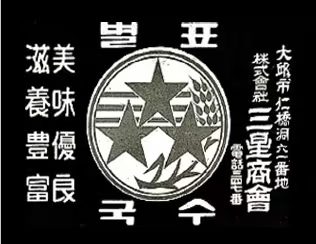
📍 Location 1. Daegu Samsung Sanghoe: Three Stars RiseThe “Star Noodle” PivotThe “Star Noodle” Pivot
- Address: Ingyo-dong, Jung-gu, Daegu (Near Seomun Market)
On March 1, 1938, Lee Byung-chul hung a sign on a wooden building near Daegu’s Seomun Market: ‘Samsung Sanghoe’ (Samsung Trading Company). The name reflected his vision: to be big, powerful, and eternal. Starting with a capital of 30,000 won, the shop exported local apples and dried seafood to Manchuria and China.
But he didn’t stop at simple retail. He installed noodle-making machines to produce “Star Noodles.” This marked his pivotal shift from distribution to manufacturing. He became obsessed with quality control and treated his promises to customers as sacred.
Once, upon receiving a complaint that rotten apples were mixed in a shipment, he immediately issued a full recall and sent apology letters. This incident established Samsung as a synonym for “Credit” and “Trust.” He proved that the essence of business isn’t just profit chasing, but the accumulation of trust.
📍 Location 2. Seoul Samsung Mulsan: A Window to the World
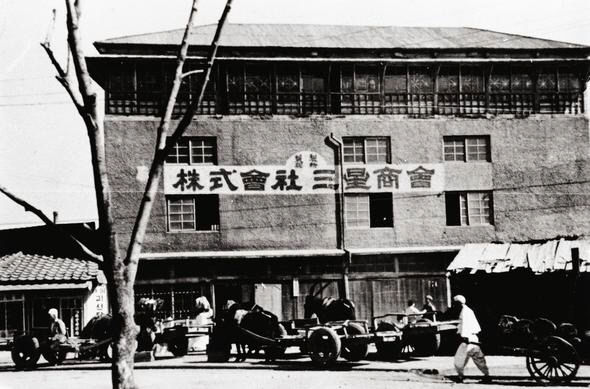
- Address: Jongno-gu, Seoul
After liberation, Lee left his success in Daegu behind and moved to Seoul in 1948 to establish ‘Samsung Mulsan Corporation.’ It was a declaration that he wouldn’t remain a “frog in a well.” He began trading with Hong Kong, Macau, and Singapore, developing a truly international business sense.
At the time, domestic necessities were scarce. He exported squid and agar, using the proceeds to import cotton yarn, sugar, and sewing machines. He elevated what was essentially barter trade into systematic international business.
Here, he realized the critical value of “Information.” Global price fluctuations, exchange rates, and political situations — all information was money. He voraciously read newspapers and networked to gather intelligence. This was the origin of what would later be known as the “Information-driven Samsung.”
📍 Location 3. A Shabby Office near Busan Gukje Market: War and Resurgence
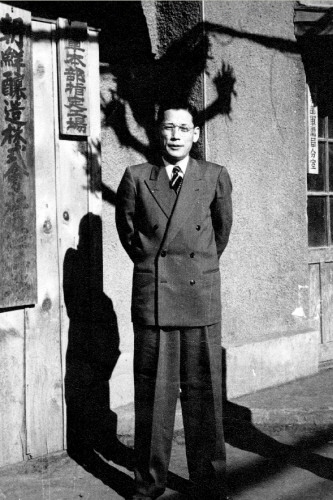
- Address: Jung-gu, Busan
The Korean War broke out in 1950. Having lost all his assets in Seoul, Lee fled to Busan, seemingly empty-handed. But he had a hidden safety net. He had diligently saved the profits from a brewery business in Daegu right before the war.
In a run-down office in Busan, he rebuilt Samsung Mulsan. With supplies critically low during the war, he collected scrap metal to sell to Japan and imported sugar and fertilizer. Even in extreme circumstances, he didn’t despair; he looked for “what can be done right now.”
While others blamed their luck, he picked up scrap metal from the ground. He personally proved the cliché that crisis is opportunity for the prepared. The capital accumulated during this period became the seed money for the future giants: Cheil Jedang and Cheil Industries.
📍 Location 4. Busan Cheil Jedang Plant: The Mission of Import Substitution
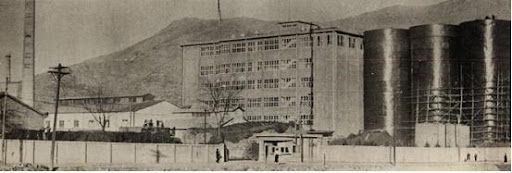
- Address: Jeonpo-dong, Busan
Though he made a fortune in trade, he wasn’t satisfied. He believed an economy dependent solely on imports had limits. “We must make it with our own hands.” He decided to pivot to manufacturing.
The opposition was fierce. Building a factory with a lack of technology and capital seemed reckless. However, he focused on the fact that sugar was entirely imported. In 1953, he established ‘Cheil Jedang,’ the country’s first sugar refinery.
He spent sleepless nights at the construction site, inspecting machines and learning from Japanese technicians. When he held the first handful of white sugar produced, he saw not just a product, but “National Self-Reliance.” The success of Cheil Jedang was the signal fire announcing the potential of Korean manufacturing.
📍 Location 5. Daegu Cheil Industries Plant: The Dream of Tech Independence
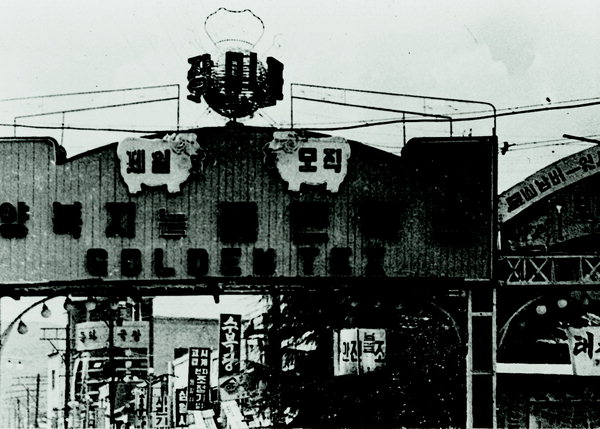
- Address: Chimsan-dong, Buk-gu, Daegu
Having solved the issue of food (sugar), he challenged clothing. At the time, Koreans had to buy expensive imported suits or settle for poor-quality fabric. He founded Cheil Industries in 1954 with the goal of “making better suit fabric than the British.”
He built dormitories for female workers and landscaped the factory grounds — introducing welfare systems that were radical for the time. This was the embodiment of his “Talent First” management philosophy. His obsession with quality — burning entire batches of defective fabric — grew Cheil Industries into a world-class company. Here, he became convinced that technological independence was the only way to survive.
Epilogue: The Power of Desperation Turns the Impossible into Possible
Lee Byung-chul’s journey — building a sugar factory in the ruins of war and creating top-tier textiles in a technological wasteland — was a miracle fueled by “Desperation.” He didn’t do business merely for money. He was driven by the ideology of “Business Patriotism” — helping the country escape poverty and improving the lives of its people.
What problem is holding you back right now? Do you feel like giving up because the situation is bad or you lack resources? Lee Byung-chul rebuilt his business by picking up scrap metal during a war. Before blaming your environment, ask yourself if your goal is truly that desperate.
Next Up: We follow Lee Byung-chul’s final and greatest challenge: how he ventured into the unknown territory of Semiconductors and led Korea to become an IT powerhouse.
Author linkedin