[The Trail] "This is the Real Deal" (1/3)
Hasami: A Japan Travelogue – In Search of the Artisan's Spirit
![[The Trail] "This is the Real Deal" (1/3)](https://substack-post-media.s3.amazonaws.com/public/images/8636e007-2489-4d93-a642-d8ae3d6a1058_600x450.webp)
“This is the Real Deal”: The Decision to Chase an Unmapped Town
한국어 버전을 보고 싶거나, 계속해서 받아보길 원하시는 경우 다음 페이지로 이동해주세요.(창업가 뉴닉 가기)
I’m a coffee person, no… fanatic. And a ceramics fanatic. When I travel, I make it a point to visit a city’s best cafés, settling in to blend in like a local. I also have a personal souvenir I have to bring back—a piece of pottery. I’ll carve out time to visit a workshop and buy a ceramic cup. Back home, brewing coffee in it becomes a little ritual of mine, a way to reminisce about the atmosphere of that place.
One day, browsing the web, I discovered an object where my two passions perfectly intersected: a collaboration ceramic dripper from the coffee brand ‘Kalita’ and ‘Hasami.’ At first, I assumed Hasami was a designer’s name. But a quick search revealed that Hasami was a serene pottery village in Japan (though I later learned it was technically the brand, Hasami Porcelain). I asked my father, who lived in Japan for several years, and even he replied, “Where’s that?” It was clearly the kind of unknown place you’d never dream of visiting unless you were deep into ceramics.
The moment I received it and brewed my first cup, I knew. Despite being ceramic, it had a finish sharper than molded plastic, with perfect debossing and embossing. And most importantly... the ‘taste’ of the coffee was completely different from any other dripper.
“Ah,”
I thought, “this is the real deal.”
I was determined to see the place that created this ‘real deal’ for myself—this town where, apparently, no Korean ever went. The problem was? how.
At the time, there was exactly one blog post about it in Korean. Restaurants and cafés didn’t show up on Google Maps. I had to sift through ‘Tabelog’ (a Japanese review site) using Google Translate, relying on posts that were years old, with no guarantee the places were still open. On top of that, I could only find two shops that sold pottery. If they were closed on the day I went? The whole trip would be a bust. Even the transportation was a gamble. Google Maps showed ‘just one way’ to get there, but with all the other information being so unreliable, how could I even trust that?
Everything was riddled with uncertainty. Was this an early sign of my pioneer’s spirit? Or just a deep-seated curiosity about the people and the village that made something so ‘real’?
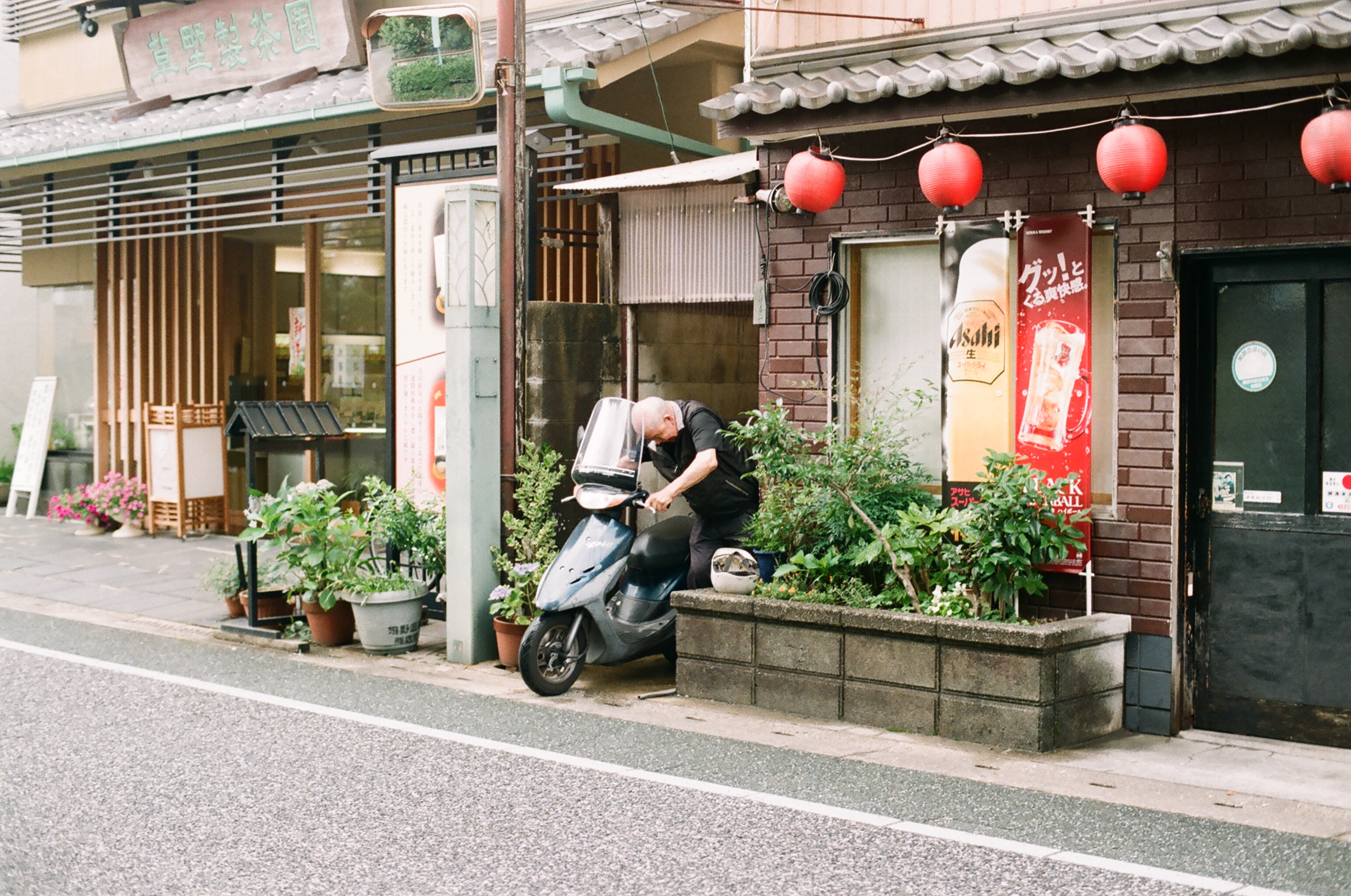
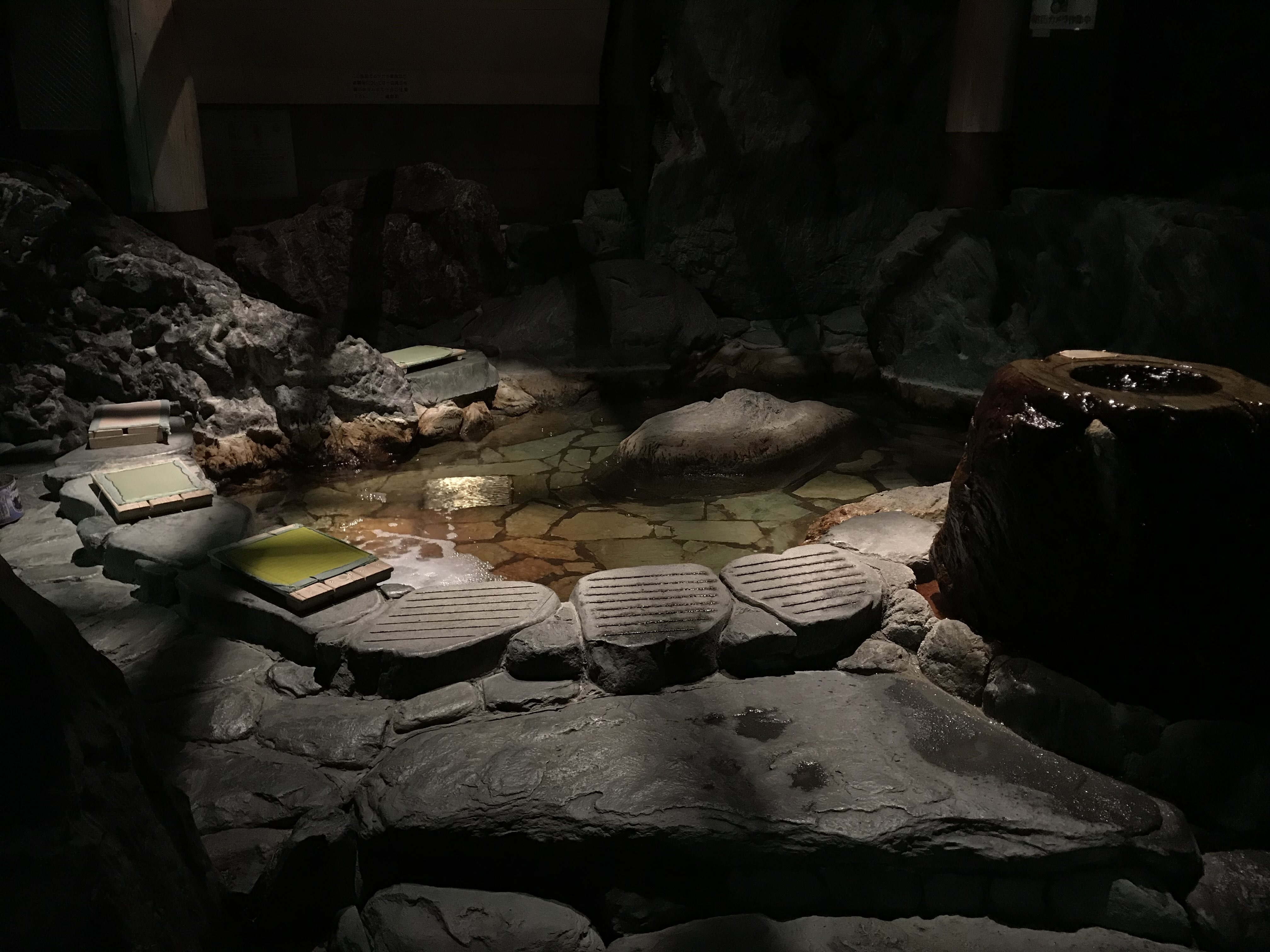
I decided to set up a ‘base camp’ first. I spent most of my seven-day trip in the nearby Saga Prefecture. I visited Takeo Onsen and its beautiful library, wandered the tranquil streets of Ureshino, and befriended locals at ryokans and late-night eateries. Slowly, this unfamiliar region began to feel as comfortable as home.

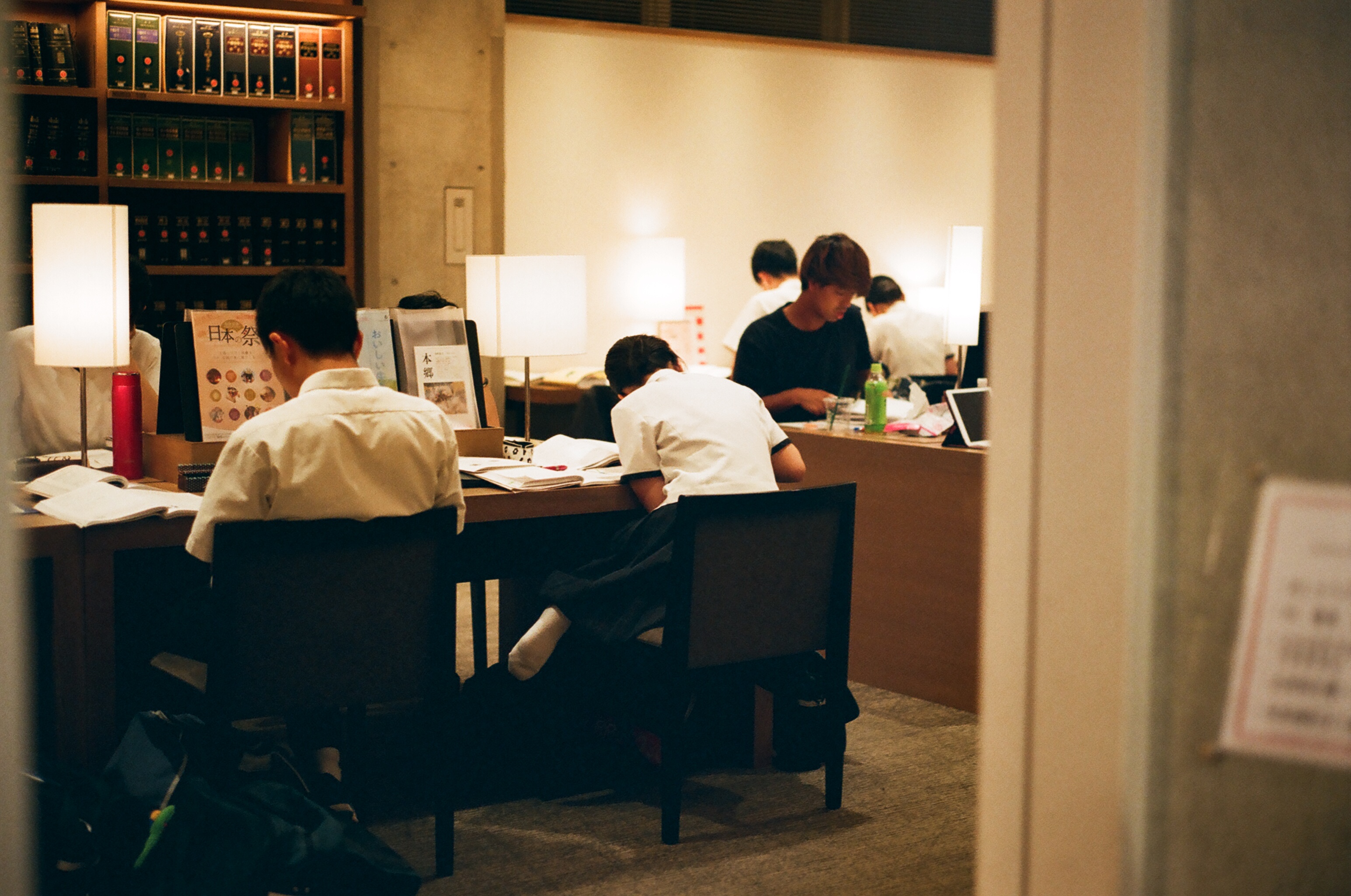

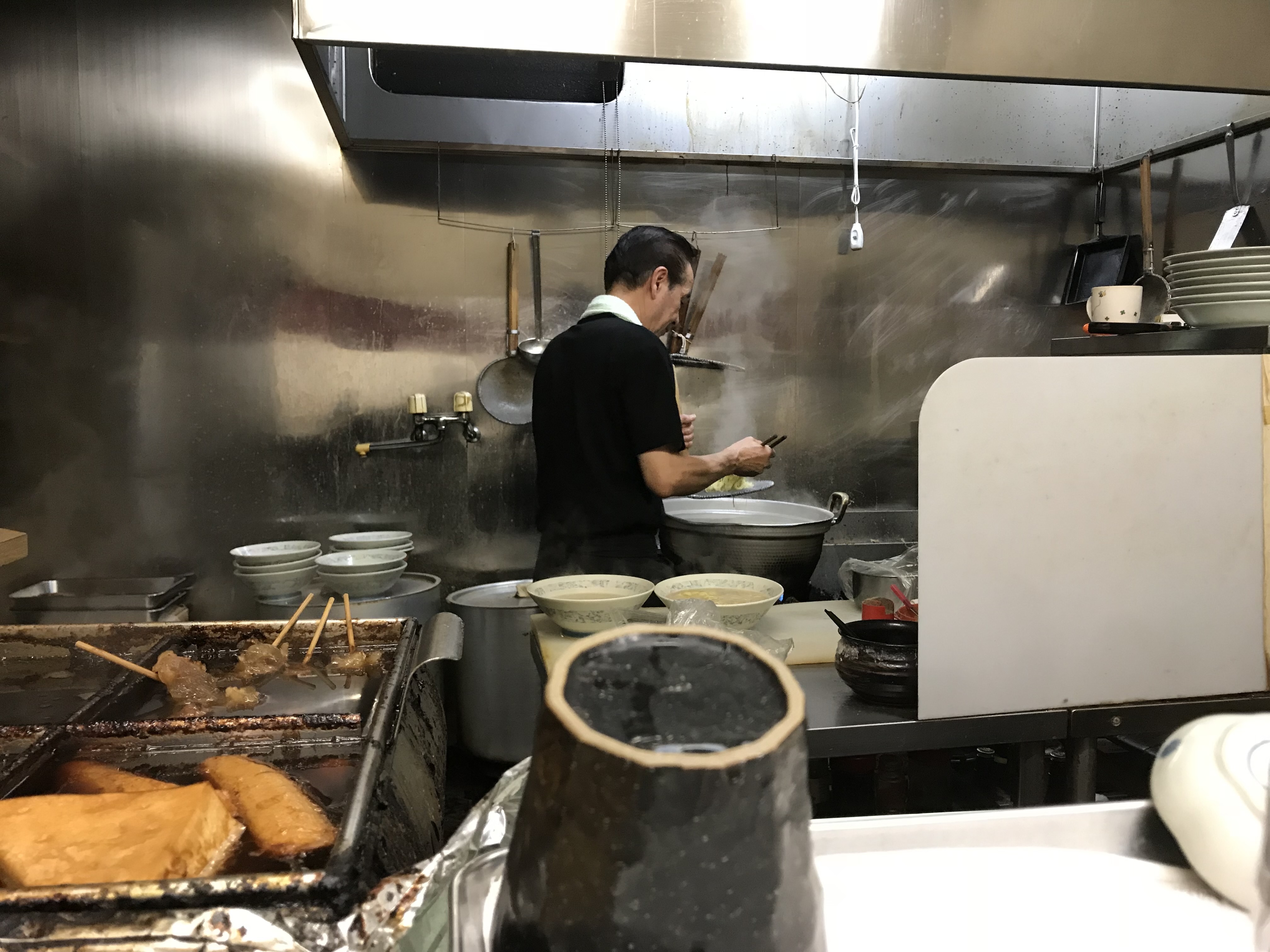
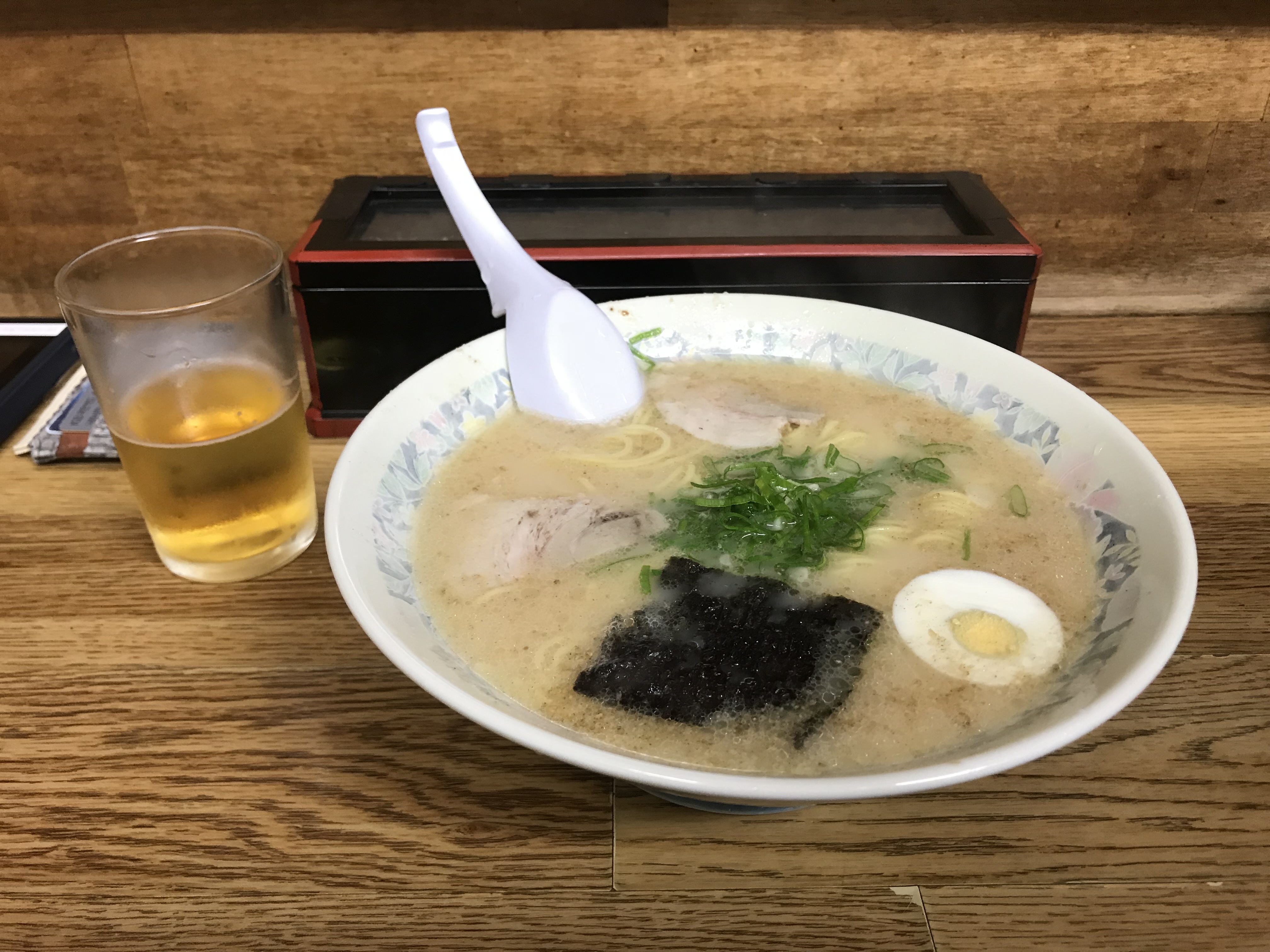
And then, the day arrived. The day of reckoning for my reckless curiosity, my impulsive need to see the village that makes such perfect ceramics and touch the products with my own hands.
Muttering to myself, “Google Maps has to be right... it just has to be,” I walked toward the Takeo bus station, the station that supposedly had a bus to Hasami, my heart torn between anxiety and excitement. (To be continued in Part 2)