[The Trail] “Dokoni ikimasuka?” (2/3)
Hasami: A Japan Travelogue – In Search of the Artisan's Spirit
![[The Trail] “Dokoni ikimasuka?” (2/3)](https://storage.ghost.io/c/a6/38/a638bf3b-95fb-4fb0-ad74-33ac76788ad7/content/images/size/w1200/2026/05/63beeb4e-6feb-4c89-bc14-012568811ee7_3088x2048-jpeg.jpg)
“Dokoni ikimasuka?” — The Last Bus is at 3:20 PM
한국어 버전을 보고 싶거나, 이야기를 계속해서 받아보길 원하시는 경우 아래 페이지로 이동해주세요.
(작가 블로그 가기)
I was the only tourist in sight at the rural bus station. Not an employee in sight. I exhausted my vocabulary of broken Japanese and translator apps on the local grandmothers, only to be met with blank “I don’t know...” stares. I’d told myself to keep an open mind, but the giddy anticipation I had for this pottery village was undeniable. The bus time listed on Google Maps (which I wasn’t even sure I could trust) was approaching. A horrifying thought crept in: Did I come all this way for nothing?
Just then, a voice: “Dokoni ikimasuka?” (Where are you going?)
A young station agent had appeared like a savior. I declared, full of hope, “Hasami!” Her confused expression was immediate. “Hasami?” she repeated, “Ano...”. Panicked, unsure if she’d never heard of it or if there was simply no bus, I unleashed everything I’d researched. I pulled out Google Translate and showed her a barrage of words: ‘Pottery,’ ‘Artisan,’ ‘Ceramicist,’ ‘Small village.’
Minutes ticked by. Then, one word made her eyes light up.
“Arita!”
Arita was the town right next to Hasami. It seemed the locals knew the area as Arita-Imari. I, completely unaware, had just been repeating “Hasami” like a broken record.
She started flipping through a manual. At that moment, a veteran employee with a shock of white hair emerged from the back office. They spoke in hurried, incomprehensible Japanese. Then, the old woman turned to me, her deeply wrinkled index finger held up stiffly.
“Arita-Imari. One! One!”
There was one way to get to Arita-Imari. And then, she delivered the gut punch: “There aren’t many buses back. The last one is at 3:20 PM. You miss it, you’re not coming back today.”
I barely made it onto the bus, but my adventure now had a ticking clock: just three hours. As soon as I arrived, I ran. The pottery museum? Closed. The workshops? Closed. The cafés? Closed.
‘Ah... this is a disaster.’
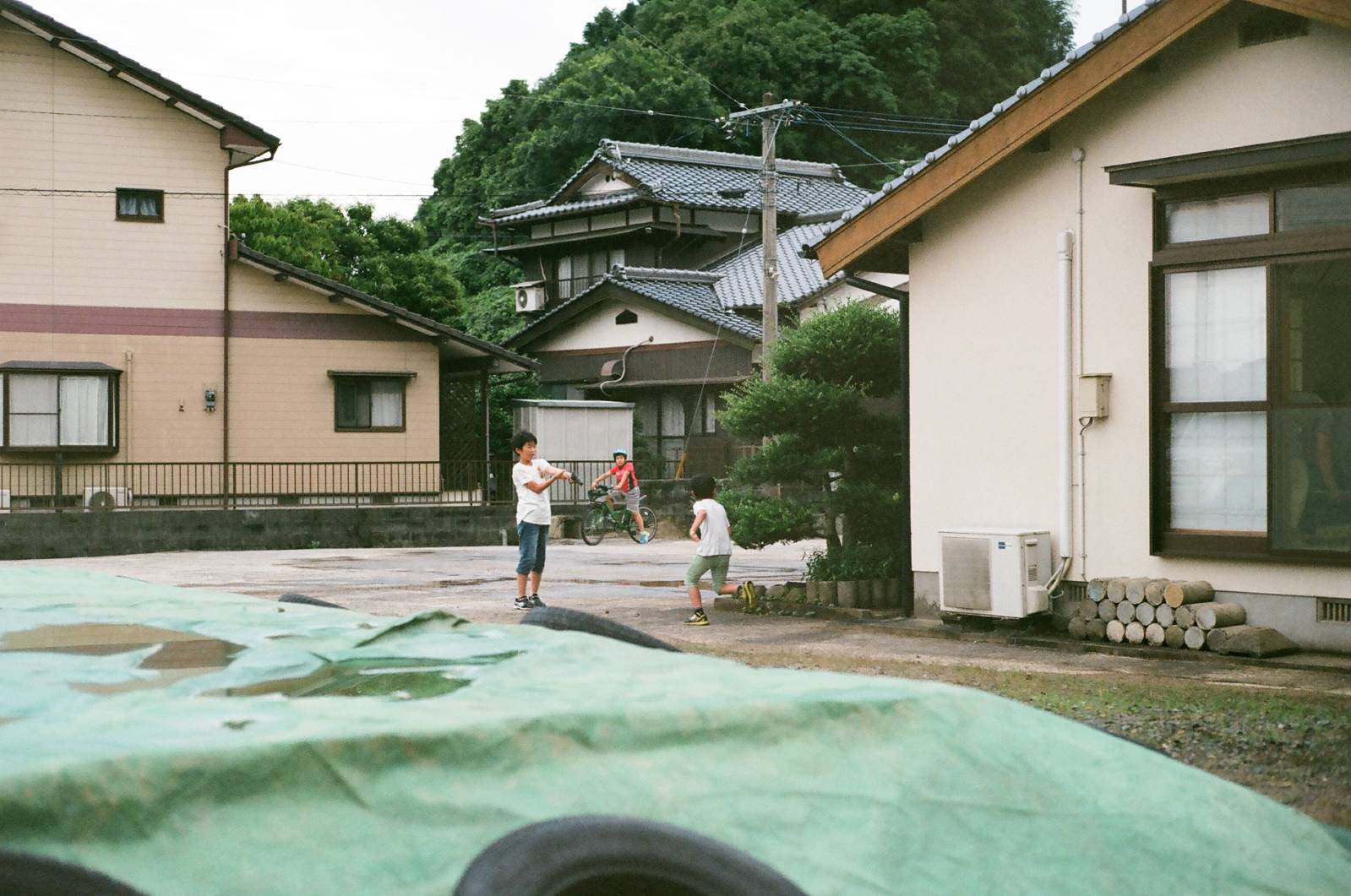
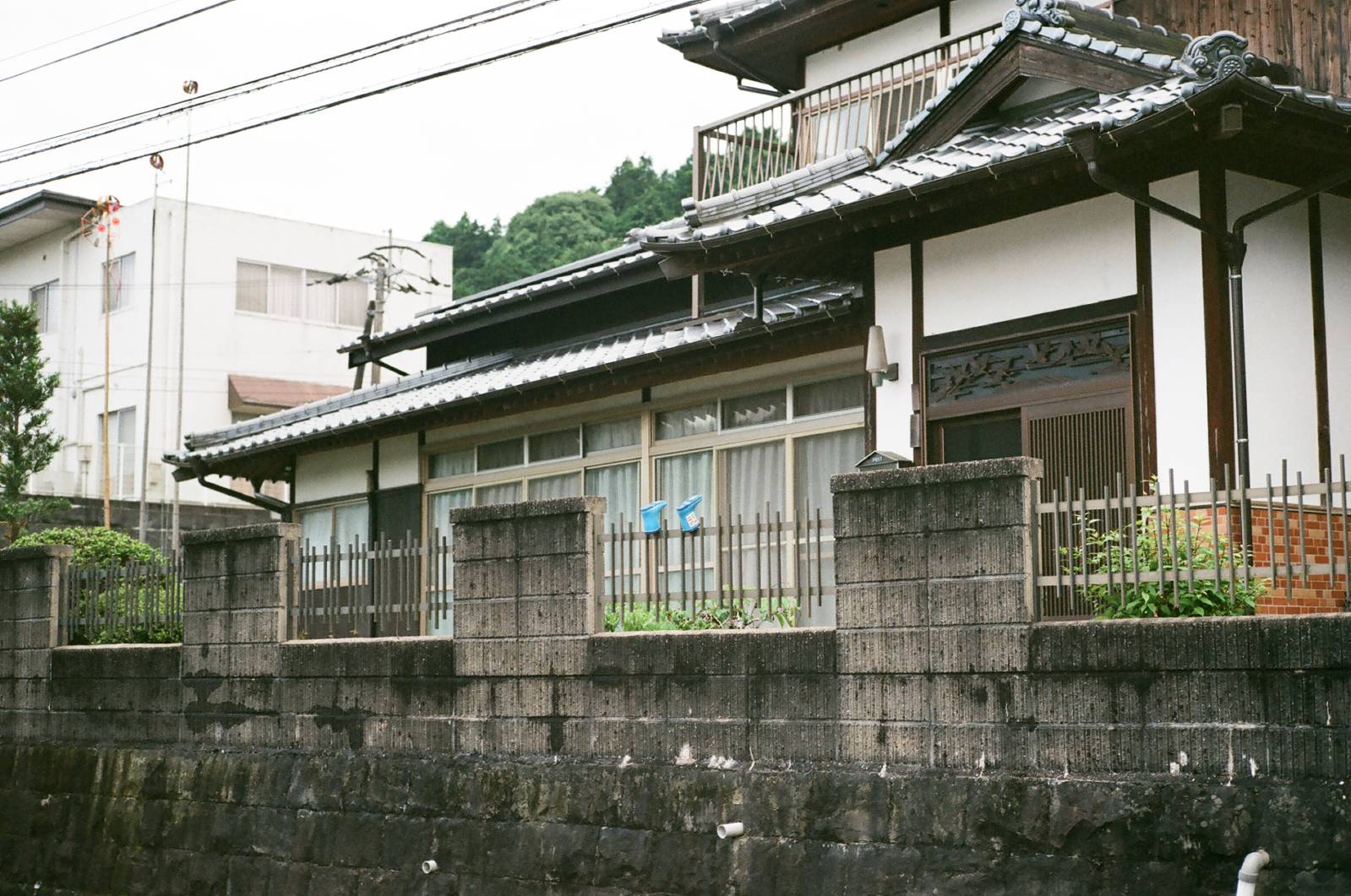
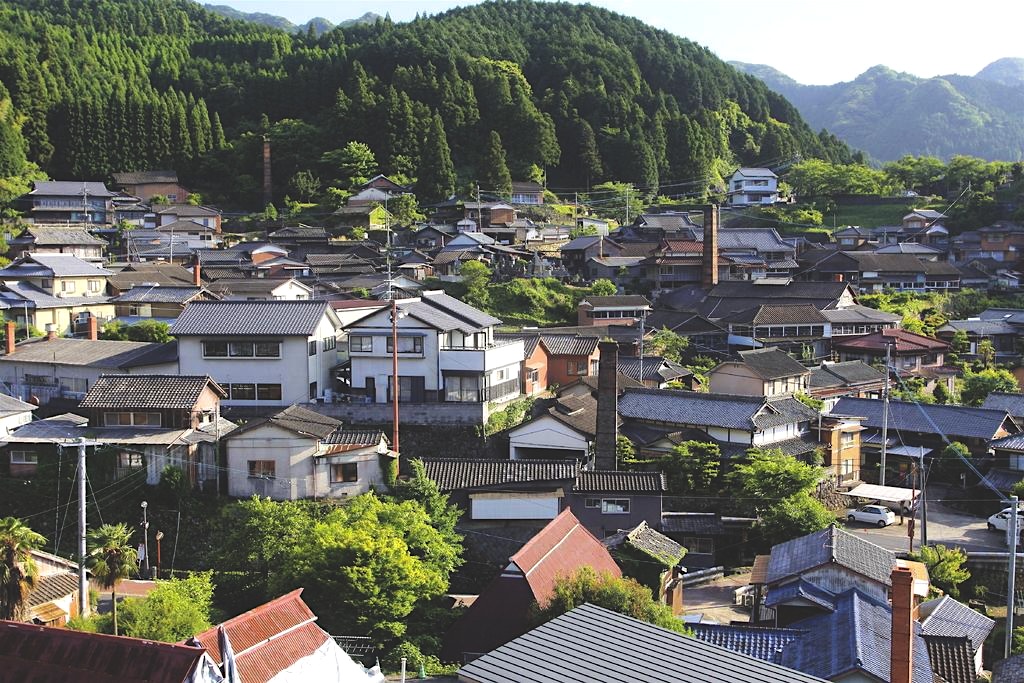
Dejected, I turned around. And the view stopped me in my tracks. A tranquil village, smoke unfurling from kilns on every building, ivy climbing the walls. The entire town was a living, breathing workshop.
Then, I spotted a large tree. Tucked behind it, a small, hidden path.
‘I bet there’s something down there.’
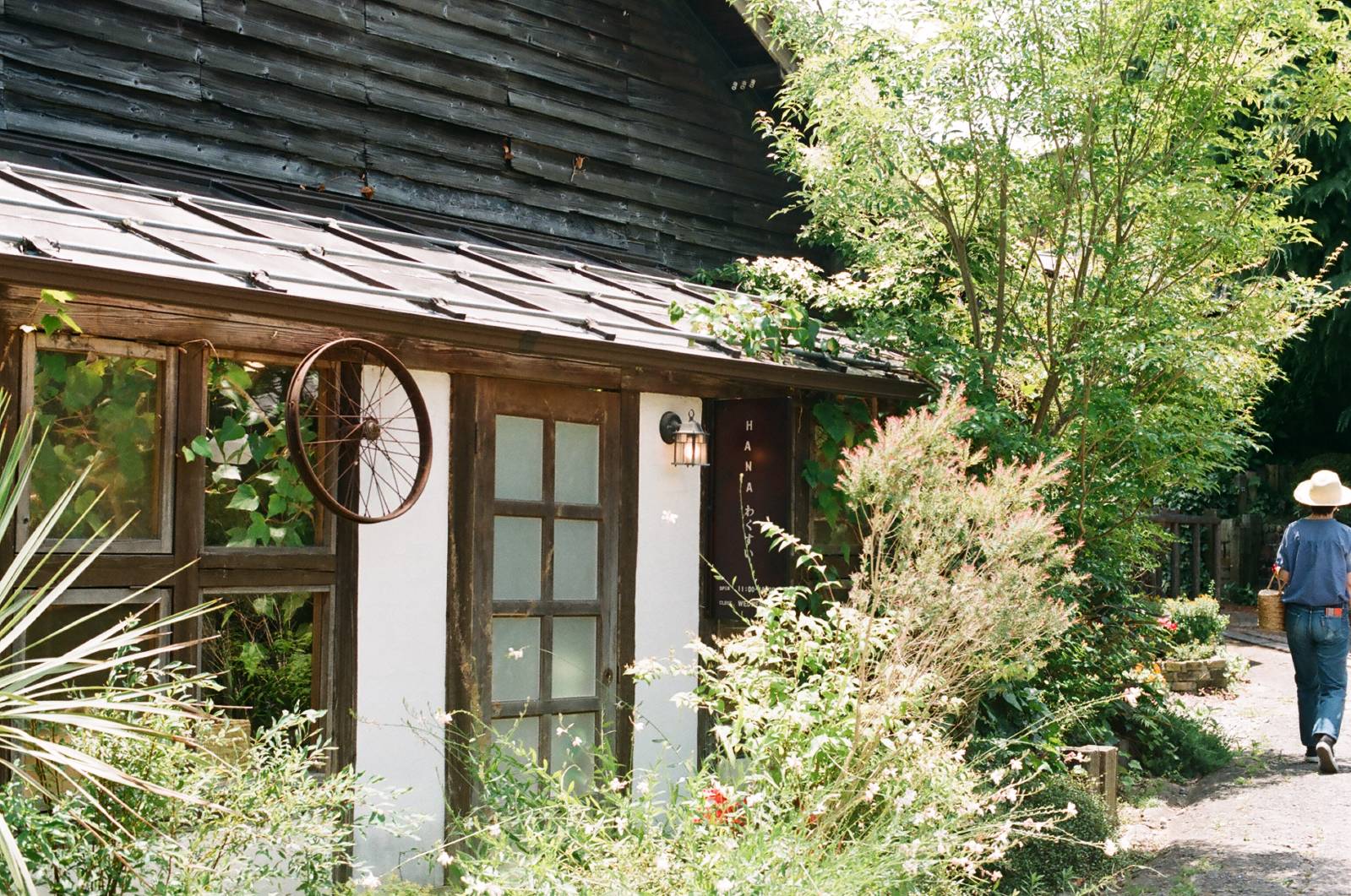
My traveler’s intuition kicked in. Peeking out from under the tree, wrapped in ivy, was a beautiful café. My excitement went into overdrive—I hadn’t failed, I had found something better. I burst in with such obvious delight that I think I startled the owner. It was an old house, beautifully renovated. Lining the shelves were ceramic coffee tools. The aroma of coffee filled the air. Watching the bloom of the coffee grounds rise, I thought:
‘Yes. This. This is why I travel.’
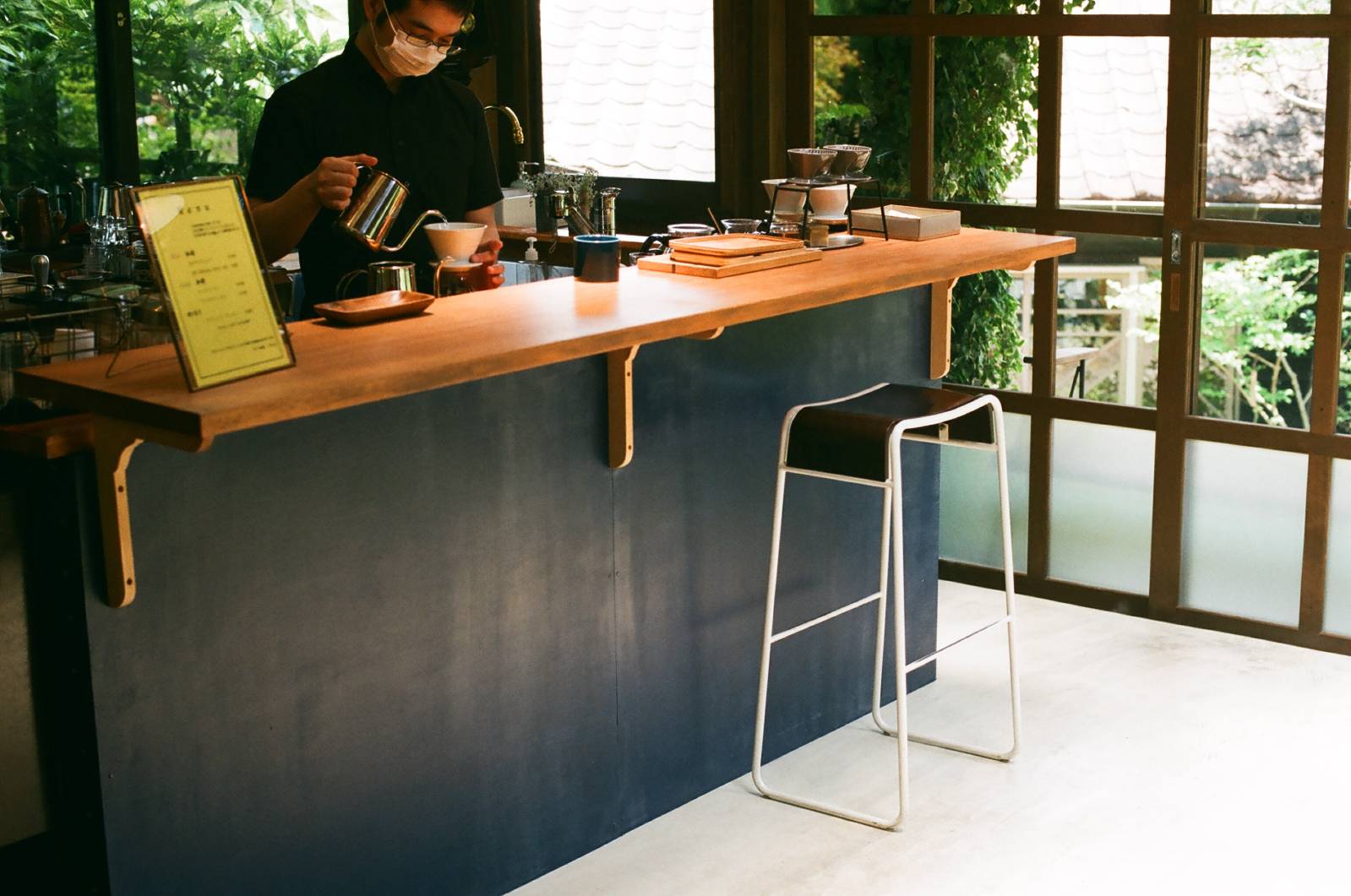
I watched the owner perform the ritual of a Japanese hand-drip (pour-over), an act of pure craftsmanship, until a warm cup was in my hands.
“Douzo~” (Here you are) “Arigatou gozaimasu.” (Thank you)
‘I’m in the place I dreamed of, drinking coffee made in their way, from the very ceramic dripper and cup that brought me here.’
‘This is it,’ I thought. ‘I have no regrets. I can go home now, even without seeing any other pottery.’
After that moment of bliss, I left the fairy-tale coffee shop and headed for ‘those two stores.’ The closer I got, the faster I walked, my heart pounding in a way that betrayed my earlier ‘no regrets’ vow. ‘Please be open. Please.’
Mercifully, both were wide open.
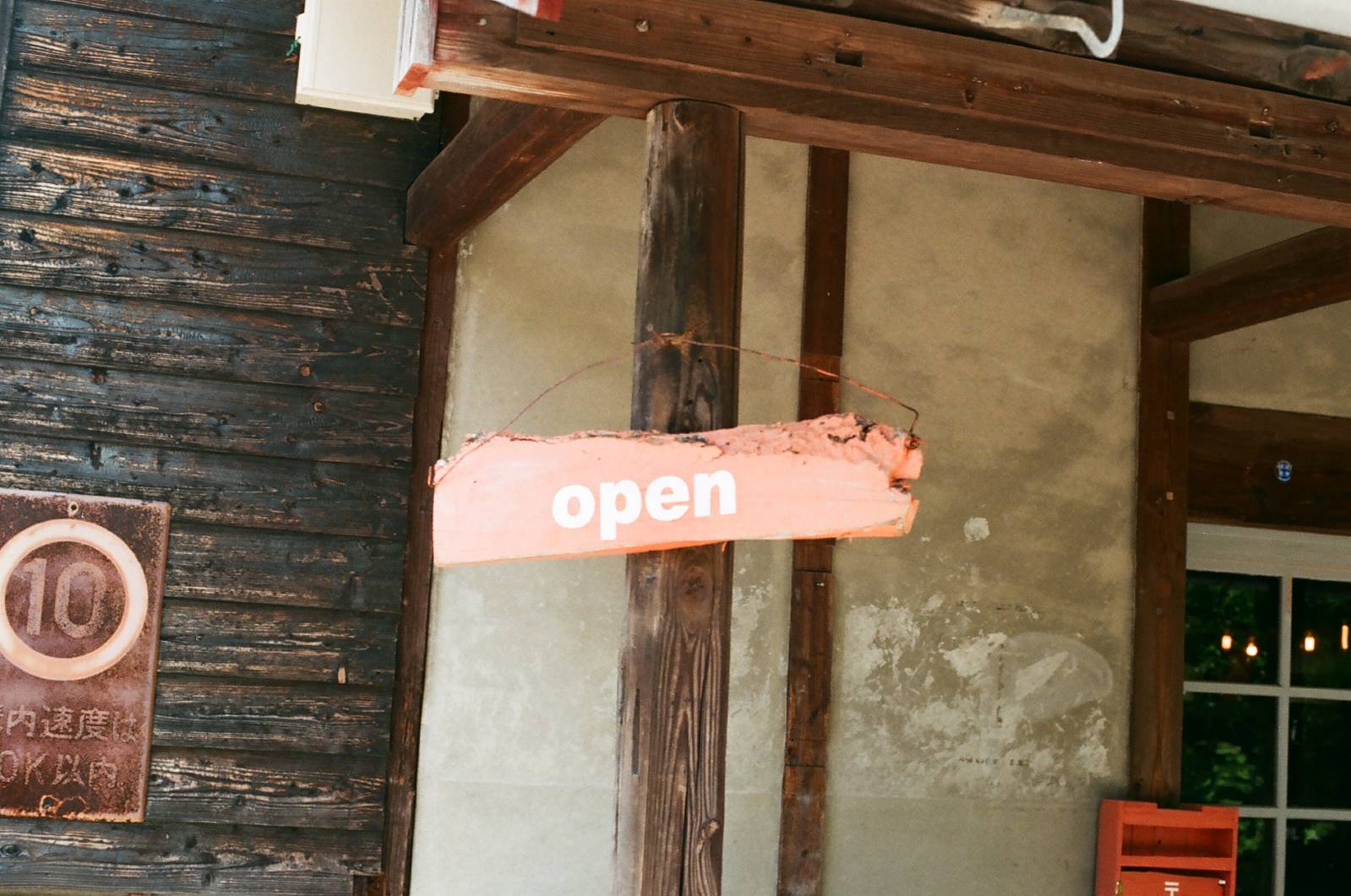
セール: 50% Off
And my god. It was the off-season, so they were having a massive ‘セール’ (Bargain). I literally ‘swept up’ perfect-quality Arita-Hasami porcelain for half price. It felt like a reward, a cosmic gift for the pioneer who embraces uncertainty.
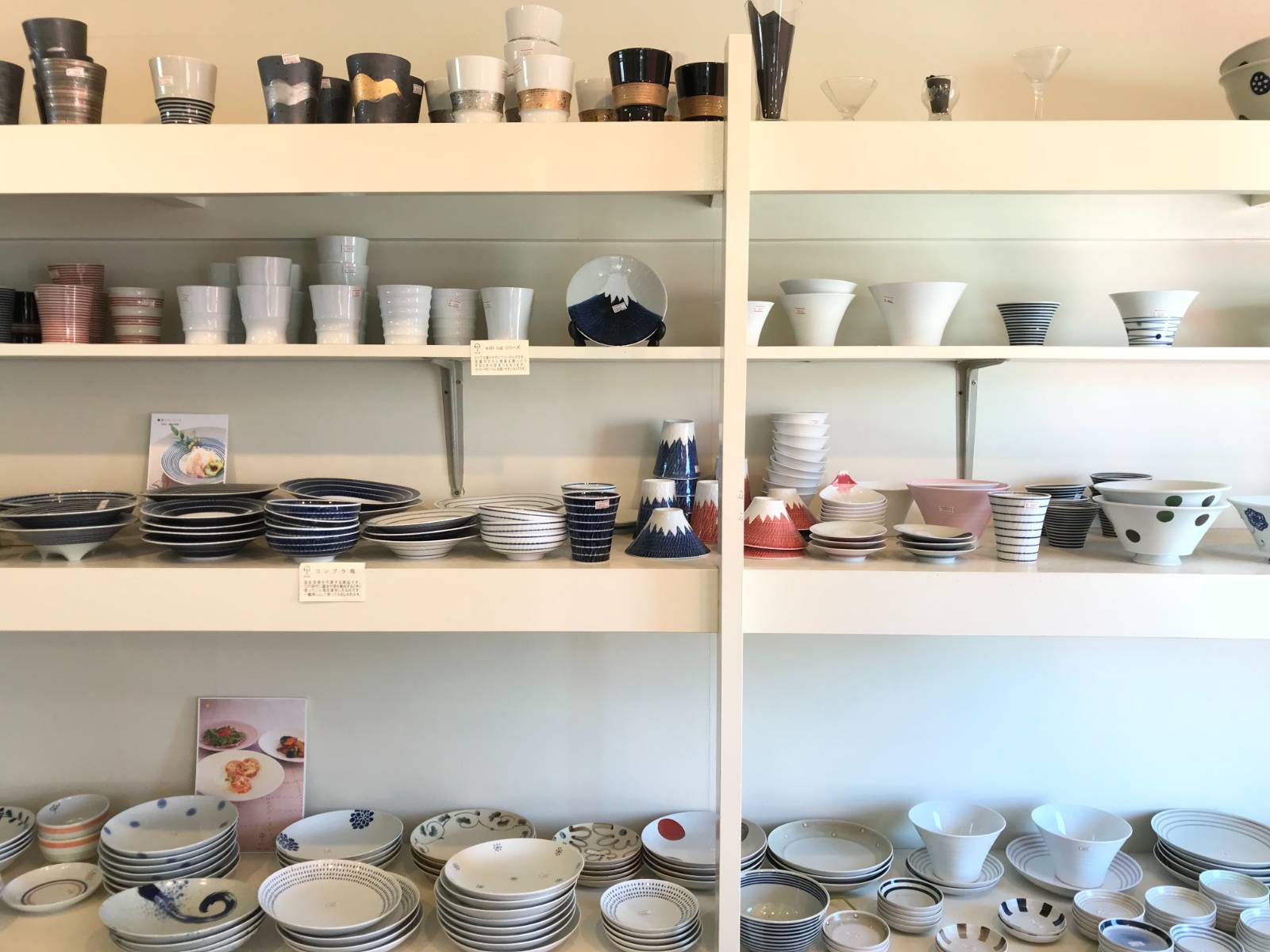
There were too many beautiful cups and plates. The question wasn’t “What should I buy?” but “What can I bear to leave behind?” I meticulously selected the new friends that would join my coffee life. After several agonizing rounds of “Who do I have to leave?” (I’m still talking about the plates), my hands were full of heavy shopping bags.
After that breathless selection process, I checked the time. About one hour left.
Just then, a ‘Tabelog’ review I’d skimmed flashed in my mind. A review for a “life-changing sushi” spot.
- “The best sushi I’ve ever had. The shari (rice) is alive.”
- “This is where you understand why it’s called su-shi (vinegared rice).” (A pun on the word’s origin)
- “The complimentary Nagasaki champon is also exquisite.”
There was no bus. It was a 20-minute walk. But high on the success of the day, I didn’t care. I marched happily through the hot sun, my bags clinking with treasure.
And finally, I found a small sign: ‘Zen Sushi.’
(To be continued in Part 3)