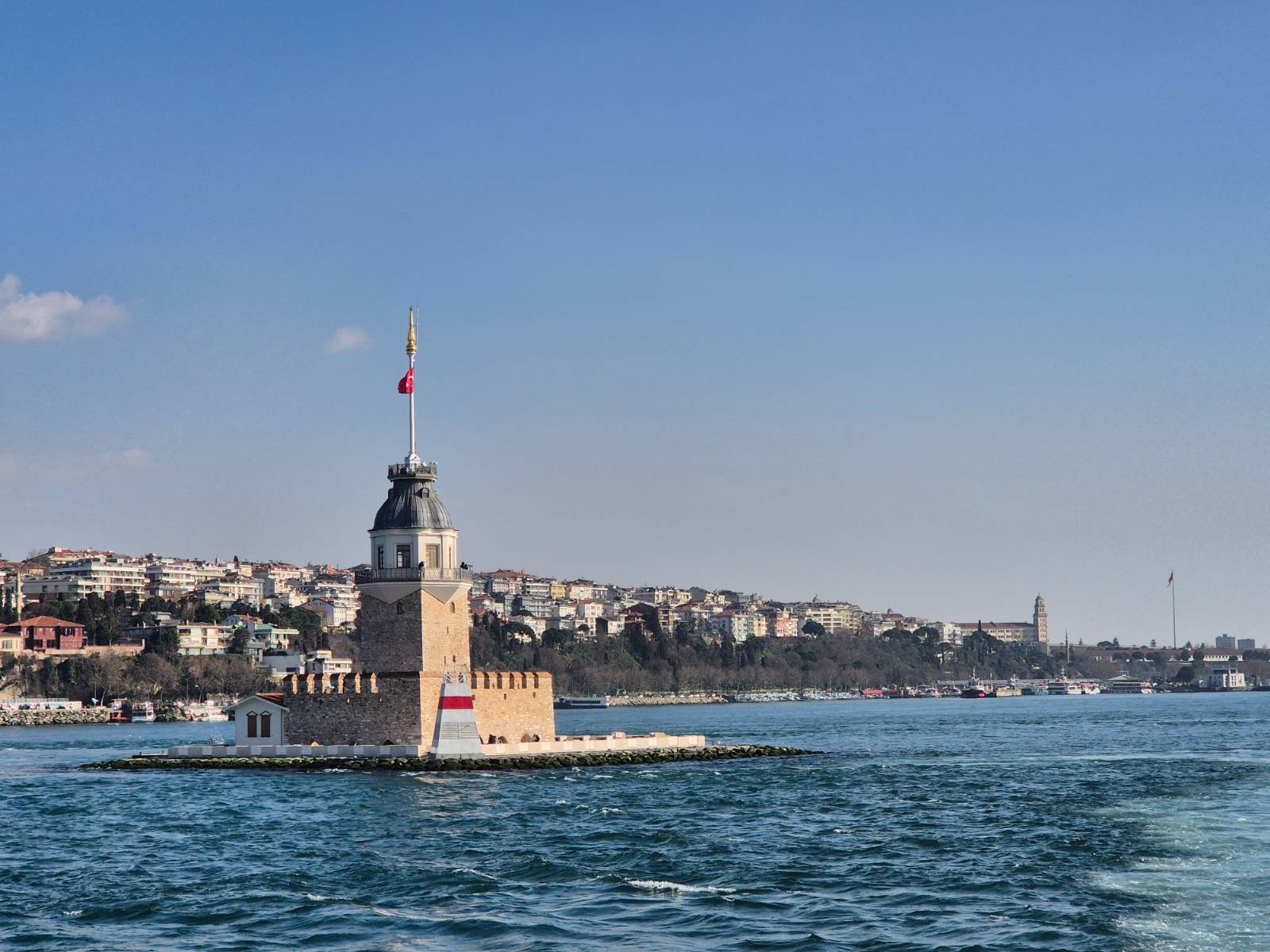
Stagnate. Decay. - Istanbul, Türkiye
What I Saw in a Democratic Dictatorship
[Series: Things That Don’t Crumble: Türkiye] Vol.2 Stagnate. Decay.
한국어 버전을 보고 싶거나, 이야기를 계속해서 받아보길 원하시는 경우 아래 페이지로 이동해주세요.
(작가 블로그 가기)
The Vibe
It was Ramadan. No one was fasting.
People dressed freely. Young men drinking beer. Women walking without hijabs.
It felt far more secular than Saudi Arabia. Yet, mosques seemed even more prevalent here.
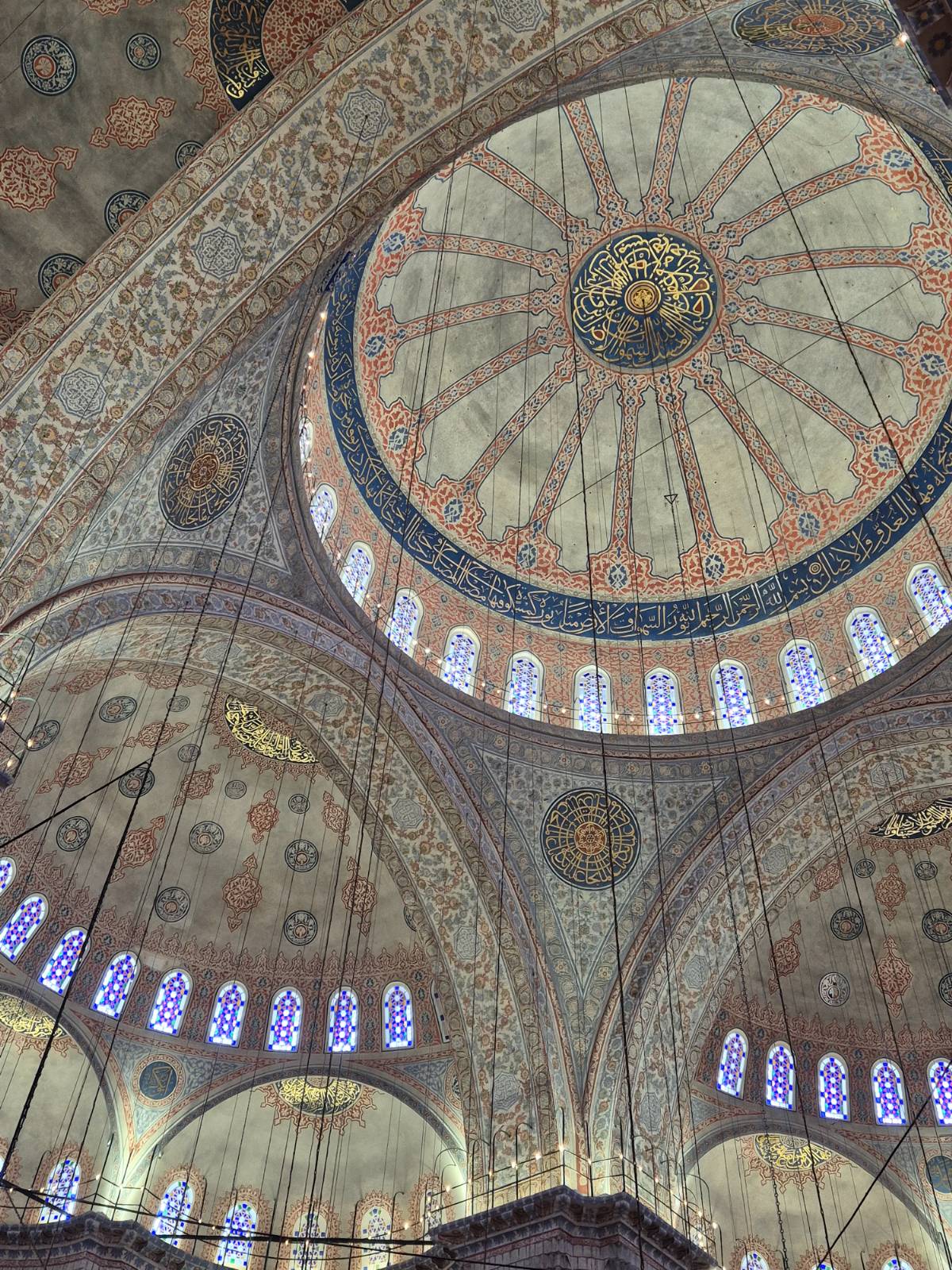
From nameless small buildings on every corner and hill to the breathtakingly massive Blue Mosque.
And when prayer time came, loudspeakers blared as if to make a point.
It wasn’t just the adhan*. Entire prayers were broadcast live. Loud enough to make your ears ring.
Usually, in Islamic countries, the call to prayer simply marks the time. But here, it was different.
The sheer volume conquered the space until it numbed your ears.
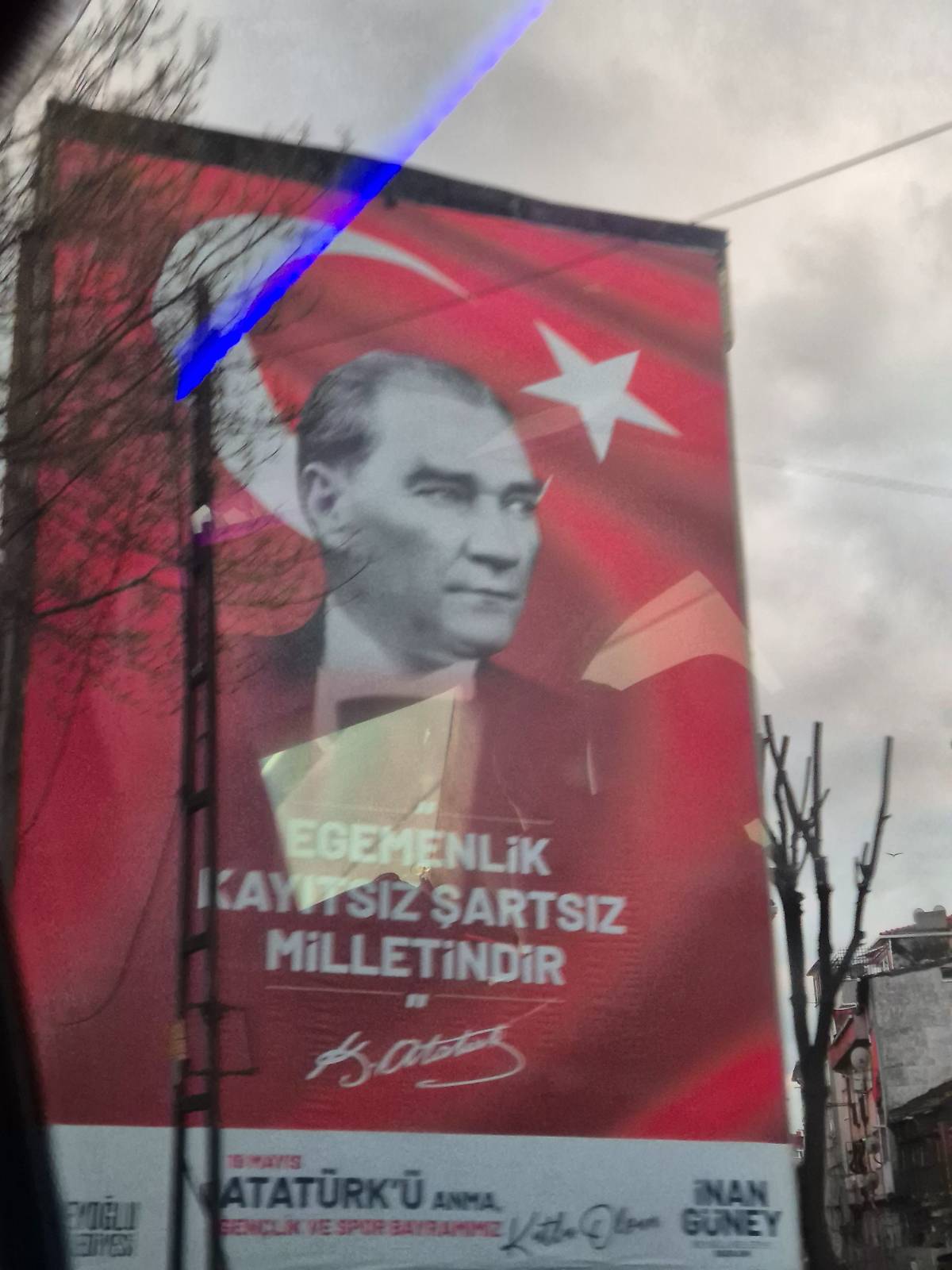
No-entry zones for non-Muslims. Turkish flags planted everywhere.
A place that claimed to be free, but felt anything but.
(*Author’s Note: The adhan is the Islamic call to prayer.)
A Walk in Gülhane Park
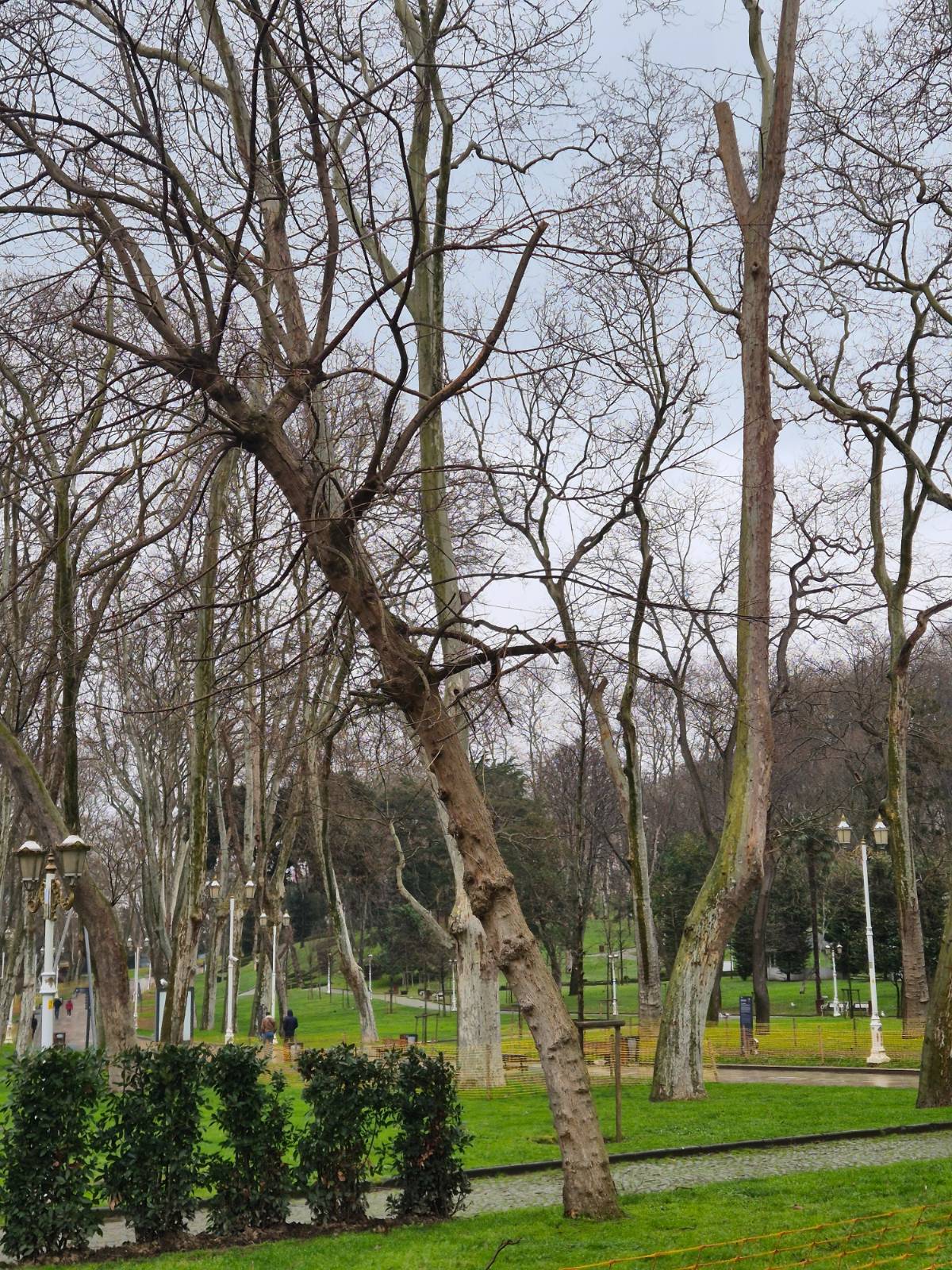
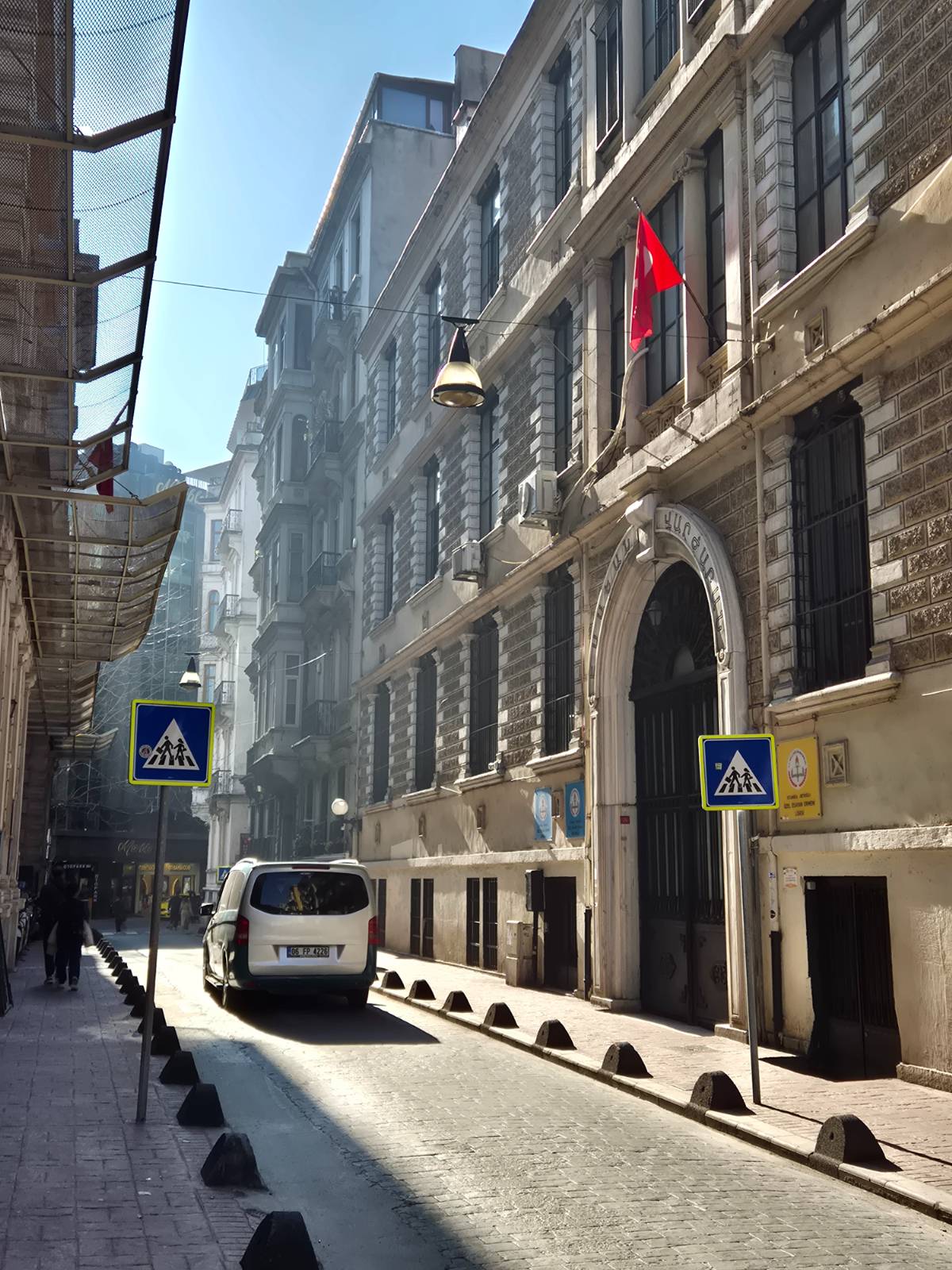
On a drizzly day, we took a stroll through Gülhane Park.
I took a deep breath, inhaling the scent of rain-soaked grass. It felt as familiar as a park back home.
Then, walking up a slope, a line of men in black suits caught our eye.
Guards scanning the area with intense, sharp glares. It was the presidential escort.
Thinking they looked cool—like the British Royal Guards—I reached for my camera, only to put it right back away beneath their piercing stares.
As my dad walked further inside, the guards blocked him.
“You are not allowed to go this way. There is no path for you here.”
High palace walls. The unseen realities hidden behind them.
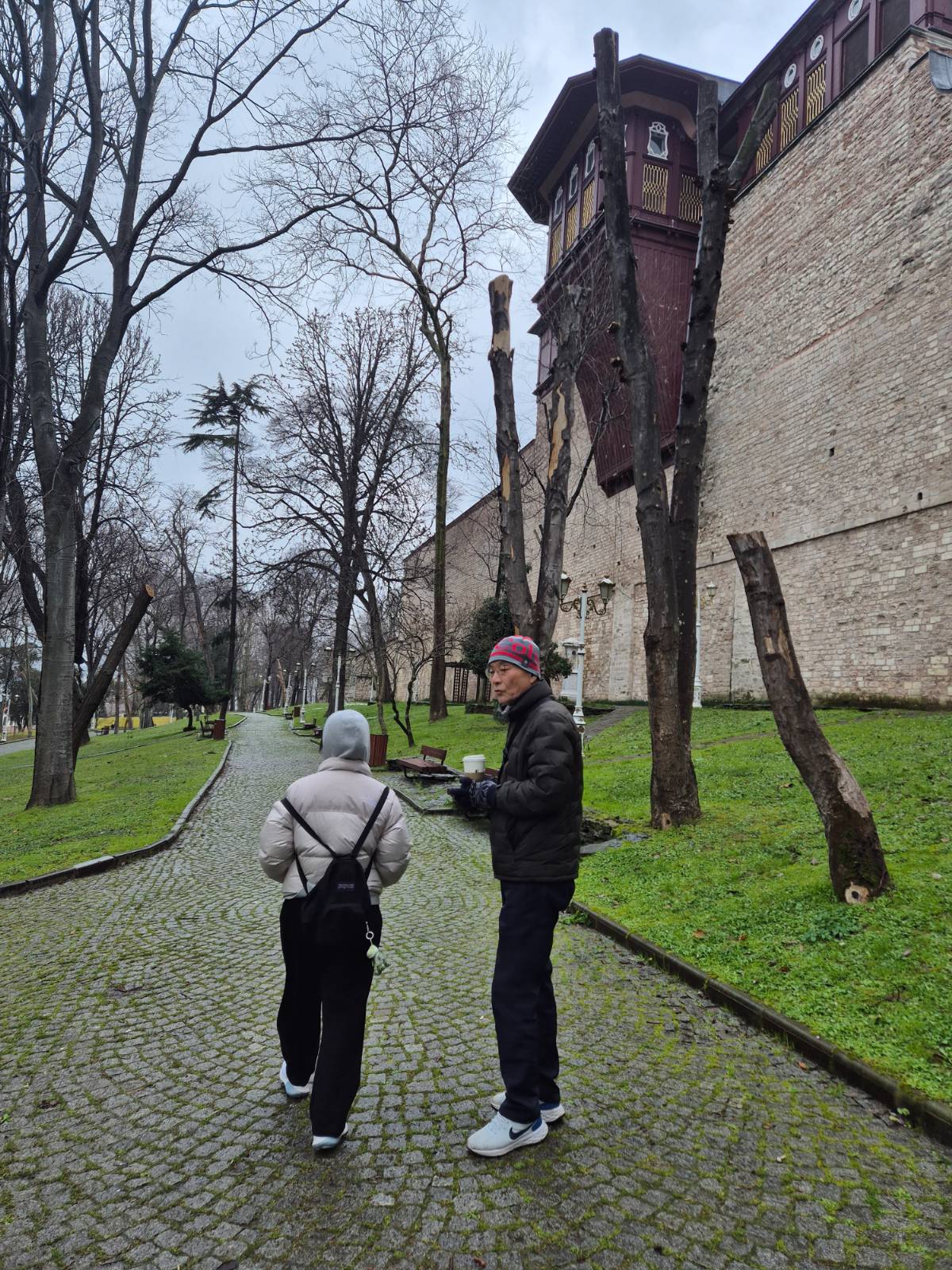
In front of the palace stood information boards glorifying the first president's alphabet reform.
‘Right. I shouldn’t jump to conclusions about a dictatorship based just on this.
Even in South Korea, you can’t take pictures near the Blue House. Or… should I?’
Was I being overly sensitive, or had I truly witnessed something strange?
The line felt blurred.
Money or Paper?
I had high expectations before the trip.
Türkiye was celebrated endlessly as a haven of great value, a sanctuary for world travelers.
The reality was entirely different.
The Lira was plummeting, yet with exchange rates fixed, it was absurdly expensive, even for foreigners.
A basic meal cost $12 to $15 per person. Even the cheapest kebab** ran $30 to $40.
Worse, current prices were wildly disconnected from Google reviews. They had doubled in just three months. Restaurants gave up on printed menus, rewriting prices daily on chalkboards instead.
Some places left the price section entirely blank because printing simply couldn’t keep pace with inflation.
Admission to the palace? $80. Hagia Sophia? $60.
(**Author’s Note: Kebab is a general term for Turkish roasted or grilled meat.)
Sadly, I’ve seen this pattern before while traveling the world.
The classic pricing structure of a dictatorship trying to appease the public.
Desperate for foreign currency, places bustling with tourists charged exclusively in dollars or euros.
Meanwhile, public services remained absurdly cheap.
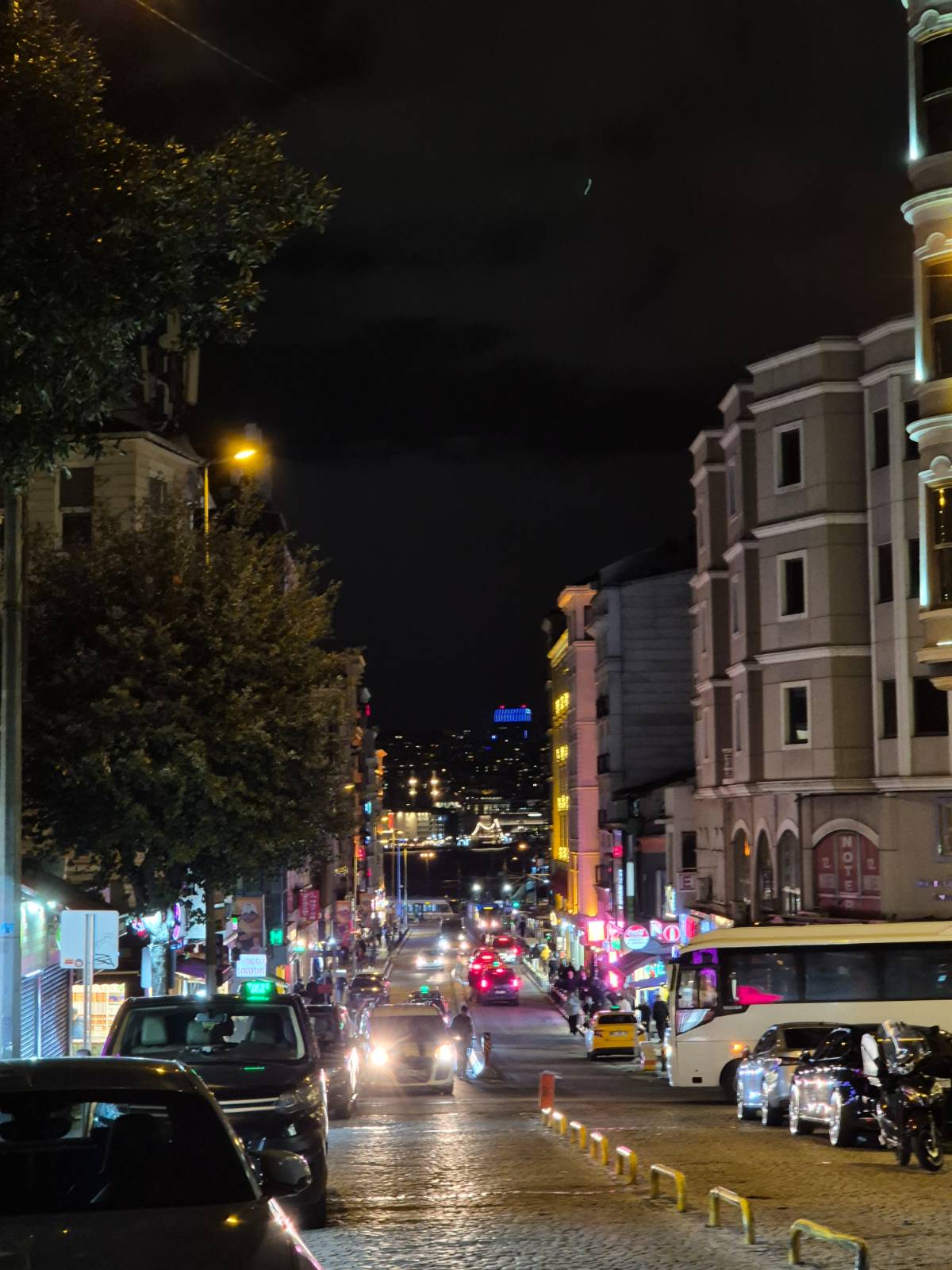
The Asian Side (Kadiköy)
We went to Kadiköy. A place where actual residents live, far from the tourist crowds.
We happened upon a tiny honey shop.
The couple who owned it scooped up some honey, urging us to taste it. Their eyes crinkled into bright crescent moons.
When we said we’d buy some, they eagerly offered more samples for us to eat and apply, laughing and chatting with us for a long time.
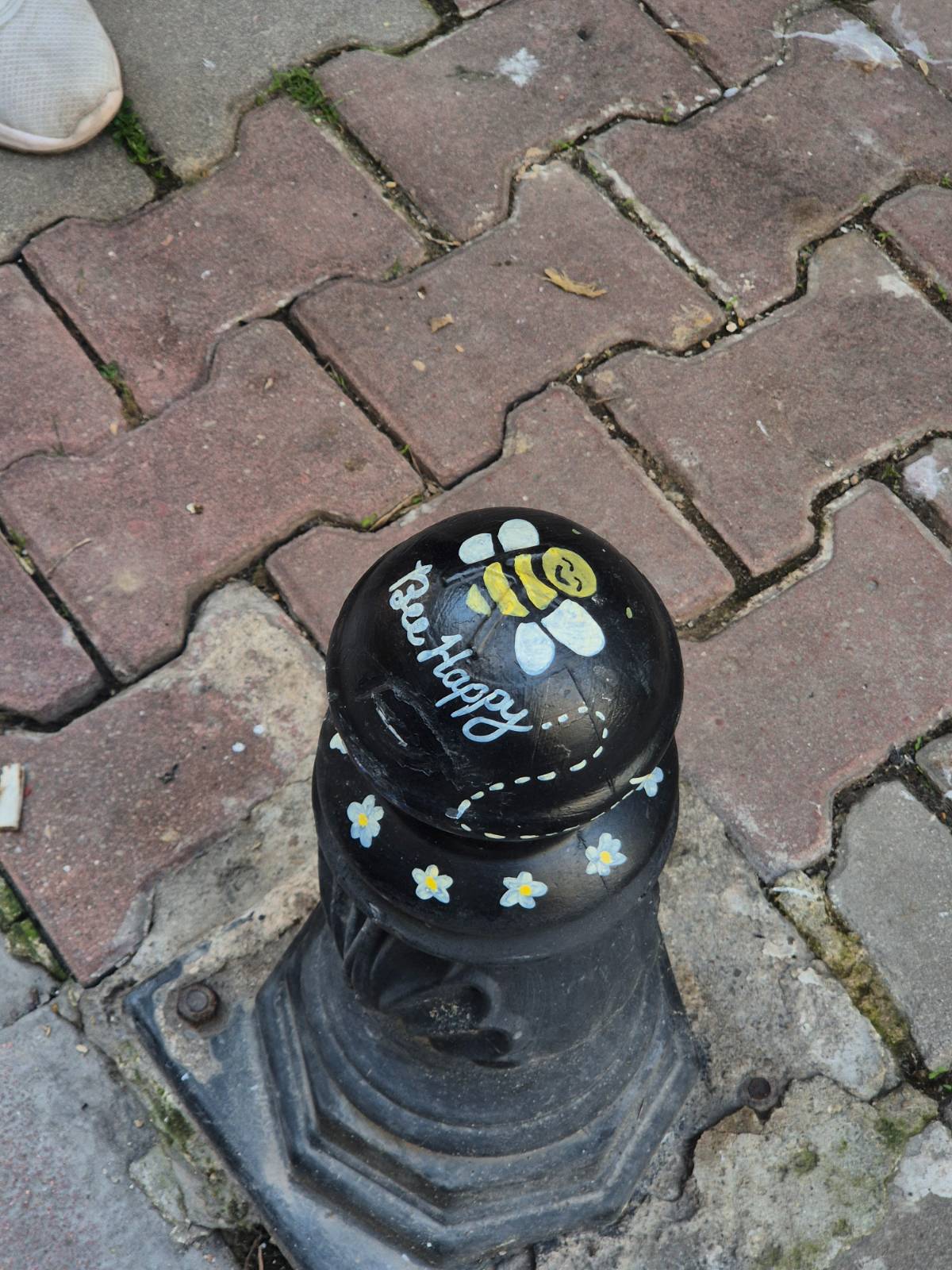
The people of Türkiye are still so bright. That makes it hurt even more.
It’s a national problem, a regime problem, a systemic problem.
Yet within it, people are just trying their hardest to survive, offering smiles to one another.
Tipping wasn’t common here, but when we tipped in dollars or euros, they couldn’t hide their joy.
Owners of hotels, restaurants, and cafes were practically begging for reviews and ratings from foreigners.
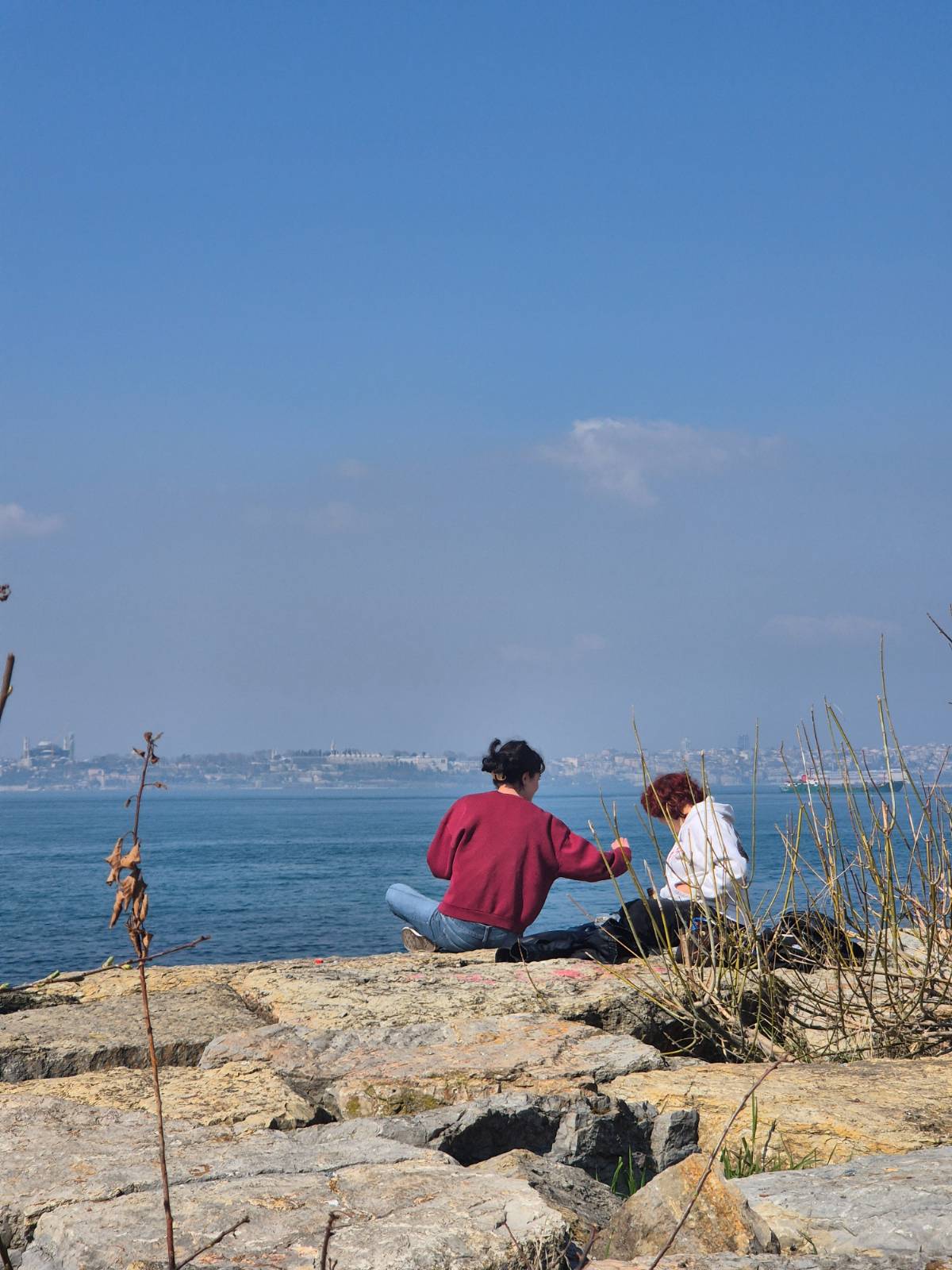
A Country Called a Democratic Dictatorship
That evening, back at the hotel, I asked an AI.
Sure enough.
It was designated a “democratic dictatorship”. This oxymoron was Türkiye’s official classification.
With a trembling heart, I asked how the locals endure this inflation.
Every word the chatbot generated made my chest heavier.
Panic-buying on payday. As currency steadily lost its value, holding cash was toxic. Goods were safer than money.
Sky-high credit card usage and household debt. Because time would eventually forgive the debt.
The middle class and below couldn’t plan for the future. What’s the point when inflation ruins it anyway? So, they spend recklessly.
I thought of South Korea. We endured a dictatorship. Even recently, people debated whether we were sliding back into one. Our currency has fluctuated too.
But a culture that fought and bled for liberal democracy, a people defiant toward their government with a culture of healthy criticism—that is what makes us different.
What about these people?
The couple at the honey shop flashed through my mind. Hands offering honey with a bright smile.
Can they stand against their government? Can they march in the streets? Can they have healthy debates?
A prayer slipped out involuntarily. Because in the end, it’s always the poor and weak who suffer the most crushing pain.
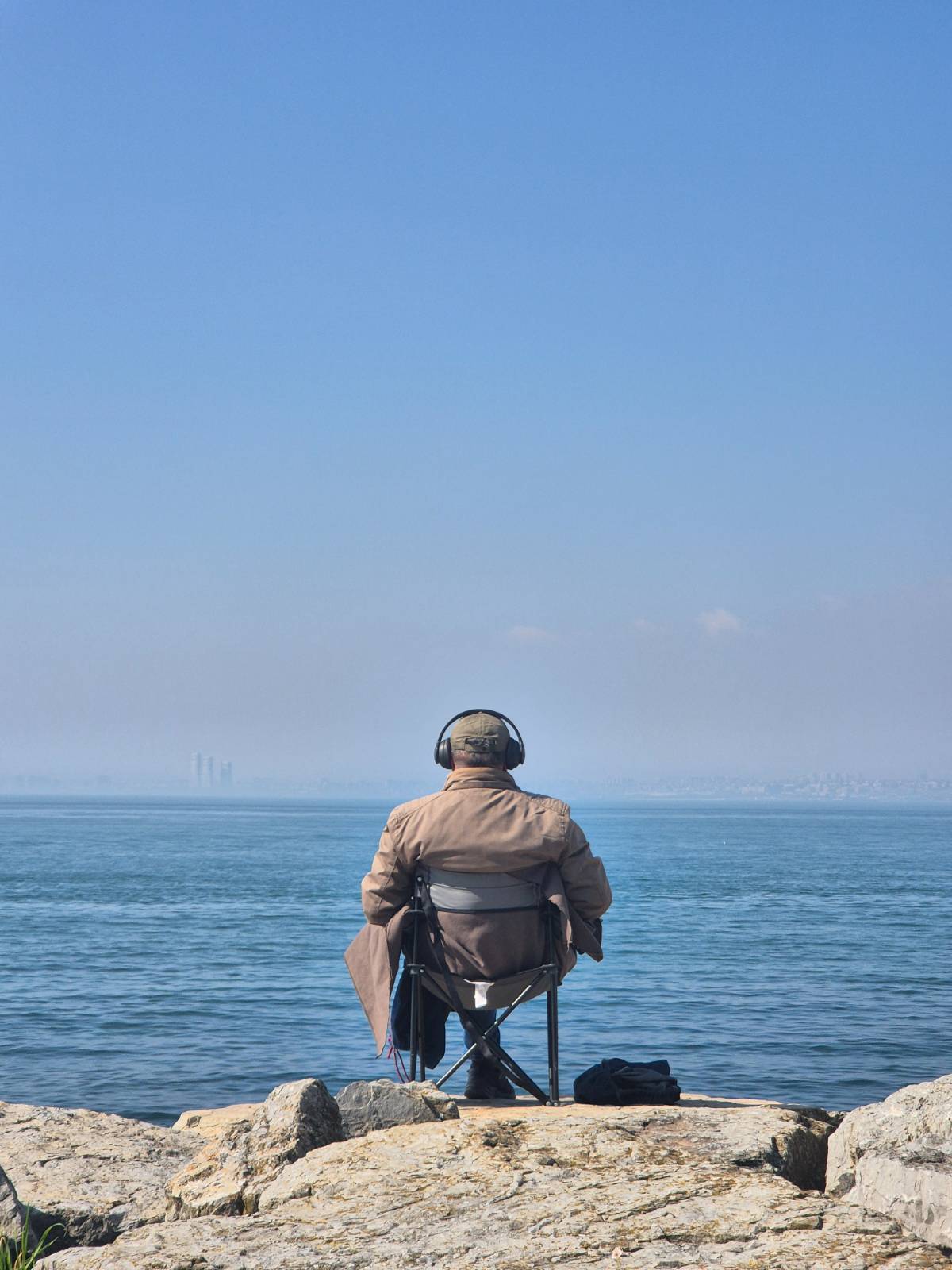
Our journey in Istanbul, a city overflowing with an eerie sense of dissonance, was coming to an end.
What was the true nature of that dissonance?
Thinking deeply, I realized it was stagnation.
Even the heart of a massive empire with thousands of years of history was rotting the moment it stagnated.
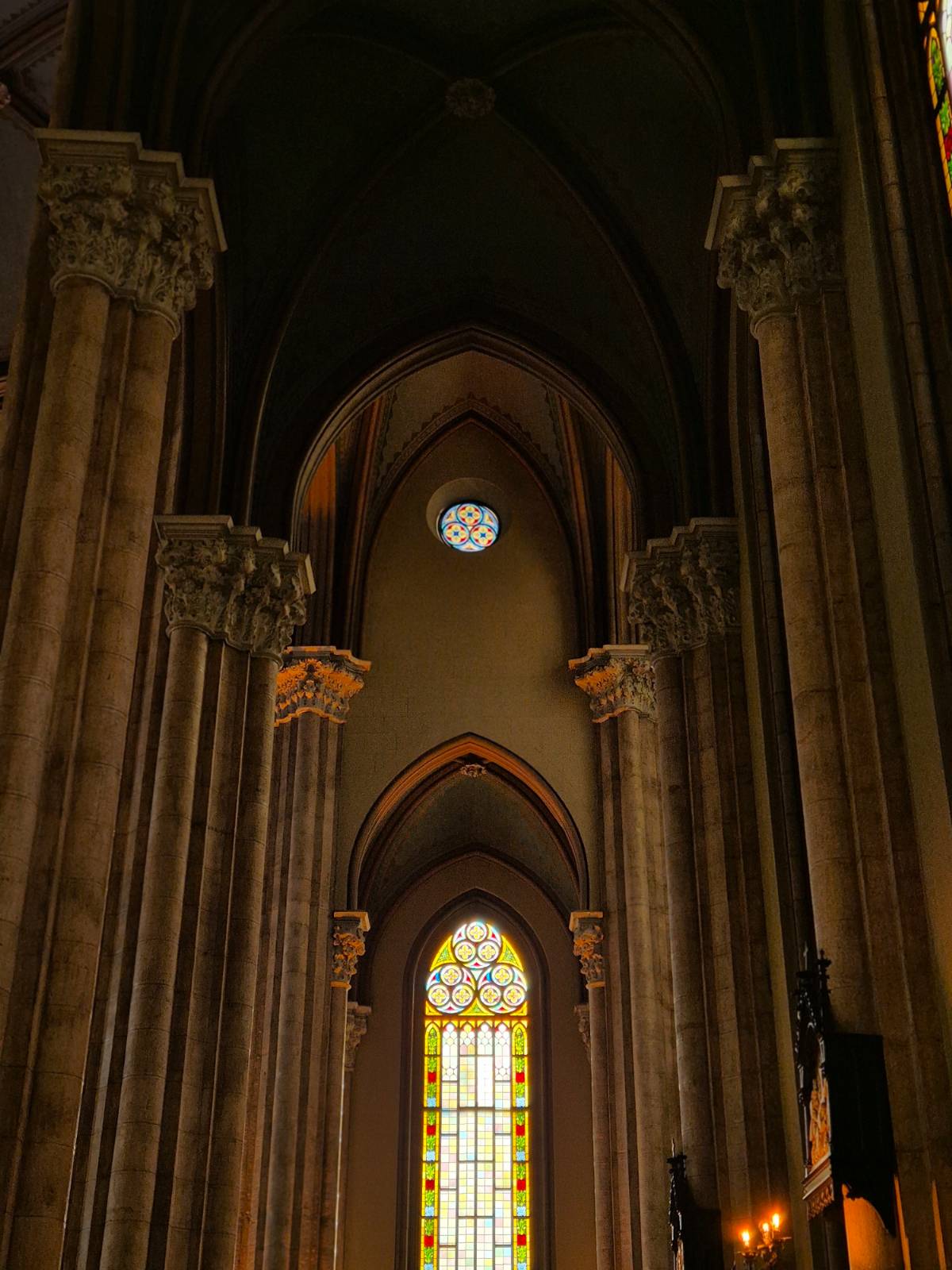
This isn’t a story unique to just one country.
Whether it’s an organization, a culture, or even a single person’s character.
When you fail to absorb what is new and stubbornly cling only to your own ways,
When you refuse to innovate despite the growing pains,
You stagnate. You decay.
(The End.)