Himalaya Odyssey (2/6)
The Best-Laid Plan
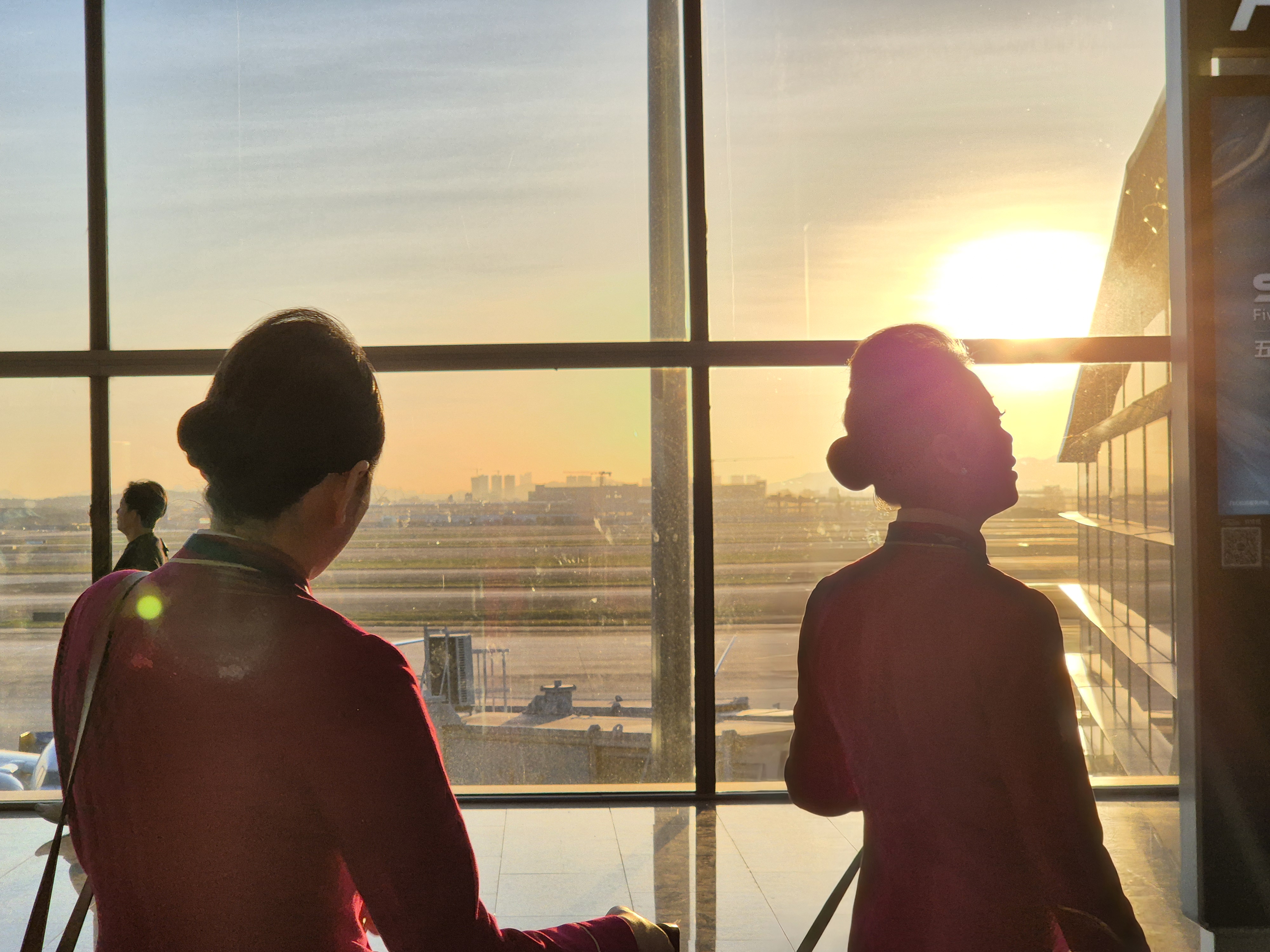
한국어 버전을 보고 싶거나, 이야기를 계속해서 받아보길 원하시는 경우 아래 페이지로 이동해주세요.
(작가 블로그 가기)
I made the perfect plan.
This was a gift for my father’s sixty-sixth birthday. I wanted him to arrive in peak condition.
I scraped together airline miles, scouring websites daily. Finally, I booked it. A business-class ticket, as rare as a flower in a drought.
“Done.”
A smile spread across my face. All reservations were complete.
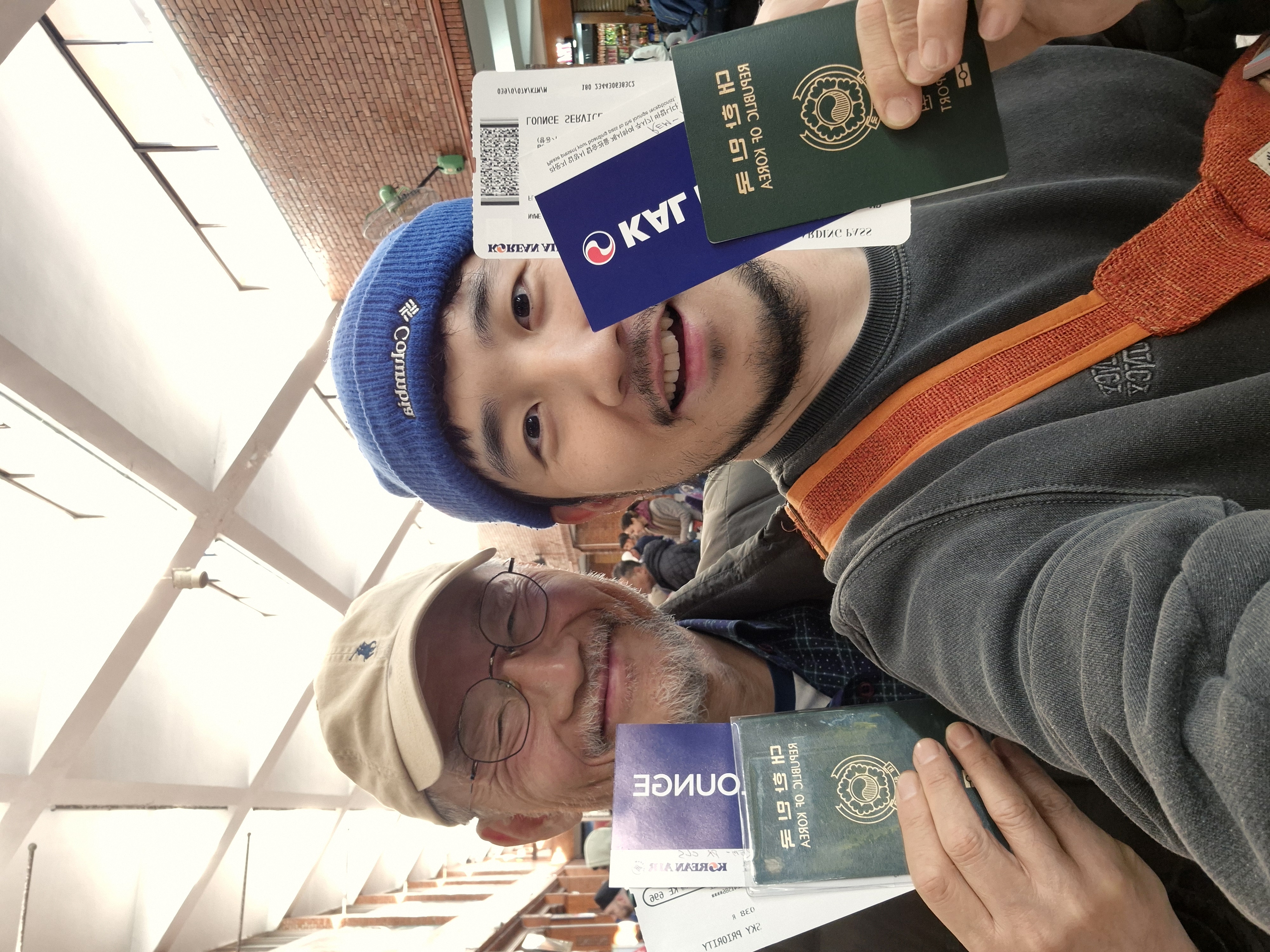
The plan collapsed right at the airport.
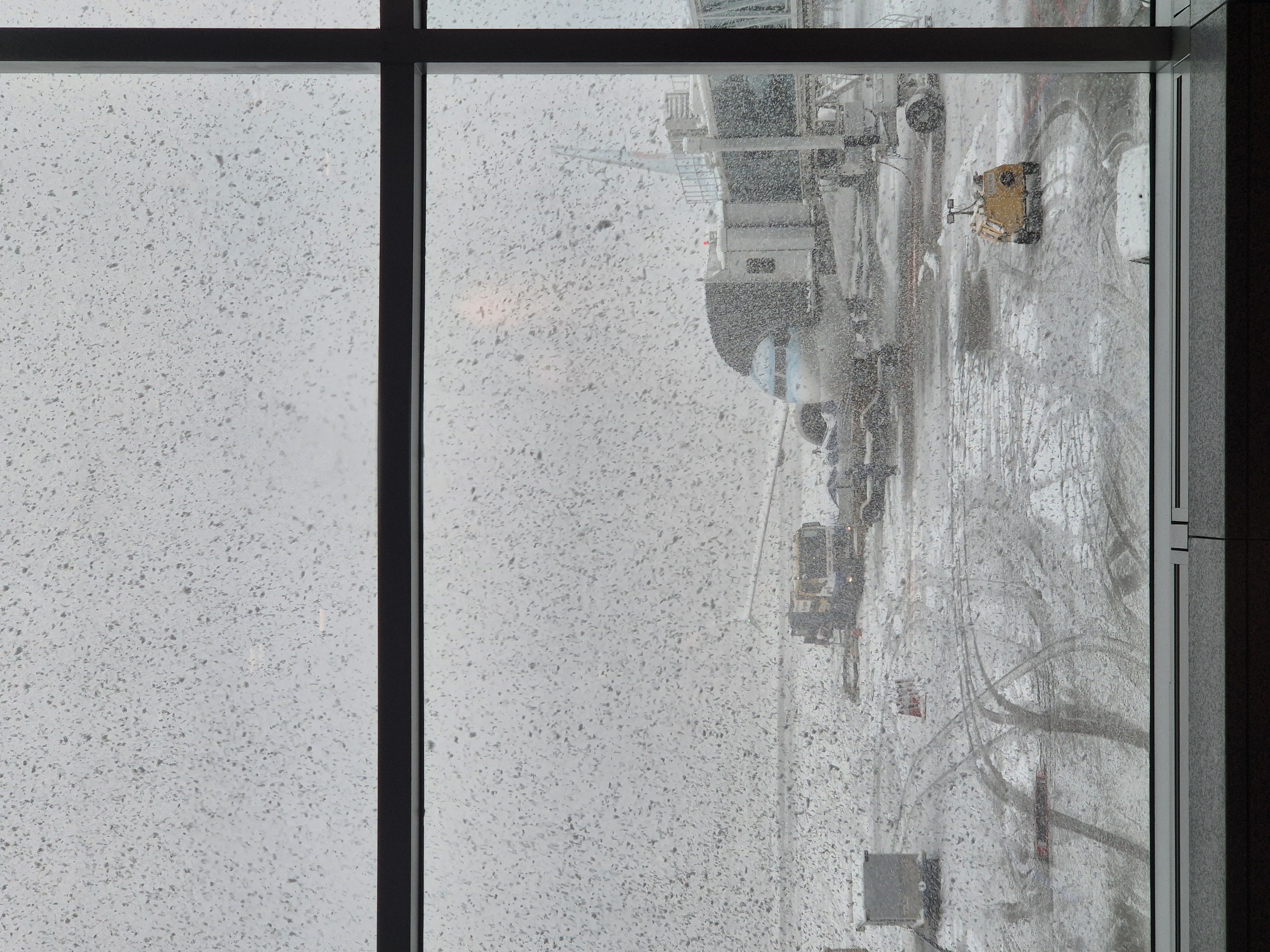
A sudden, heavy snowfall—a record-breaking one. In an instant, my perfect plan turned to dust.
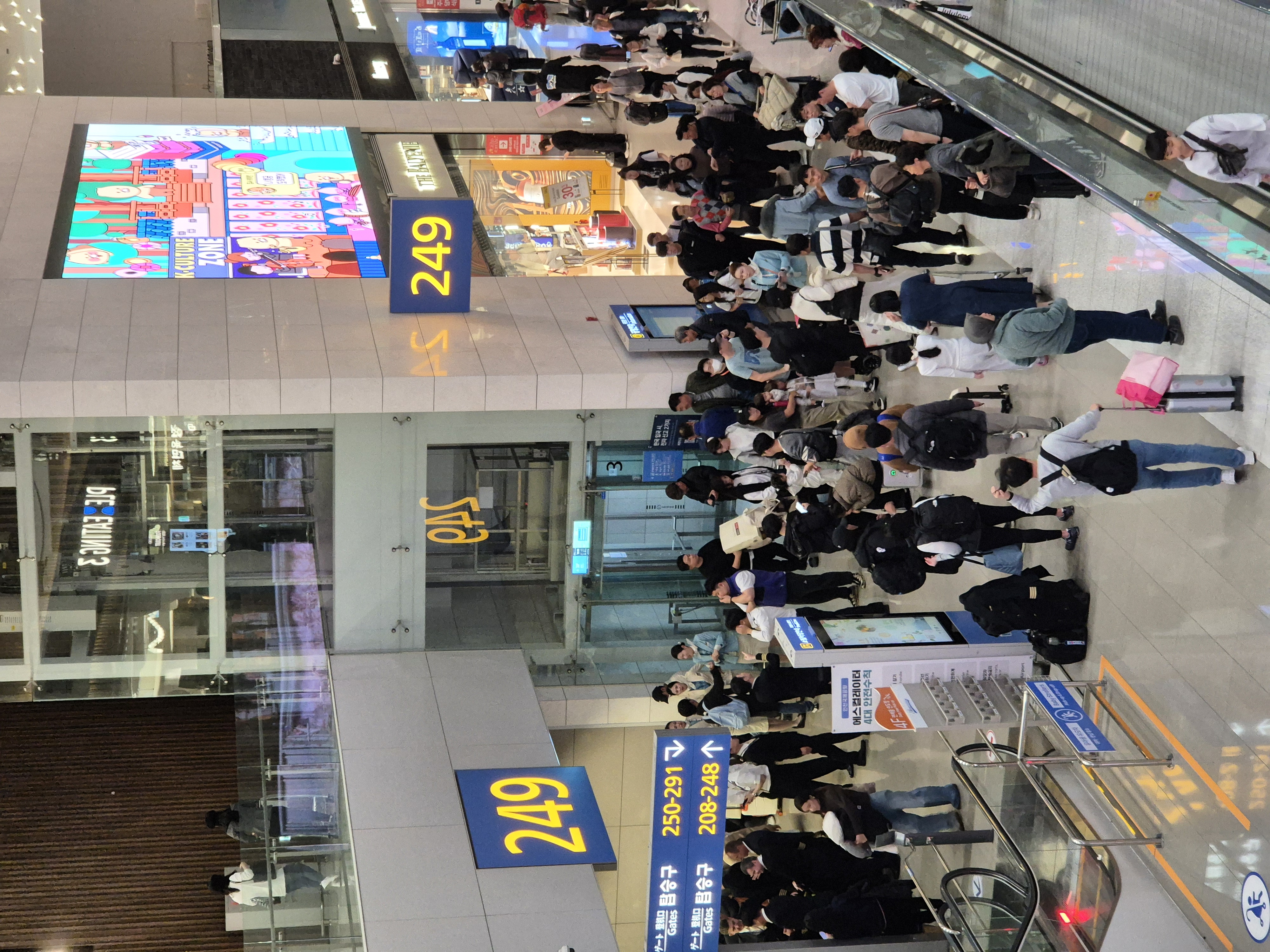
The airport was a madhouse. Shouts erupted. Endless queues formed.
“Well, at least our flight isn’t canceled!”
“Right, Dad?”
After waiting over 10 hours, we were smiling as we finally boarded. The fear of cancellation melted away with our tension. All we had to do now was go. We began to talk, full of hope.
The flight attendants greeted us kindly. We took our drinks. And then, we noticed them rushing about. We looked around, uneasy. The cabin was buzzing. Something was clearly wrong.
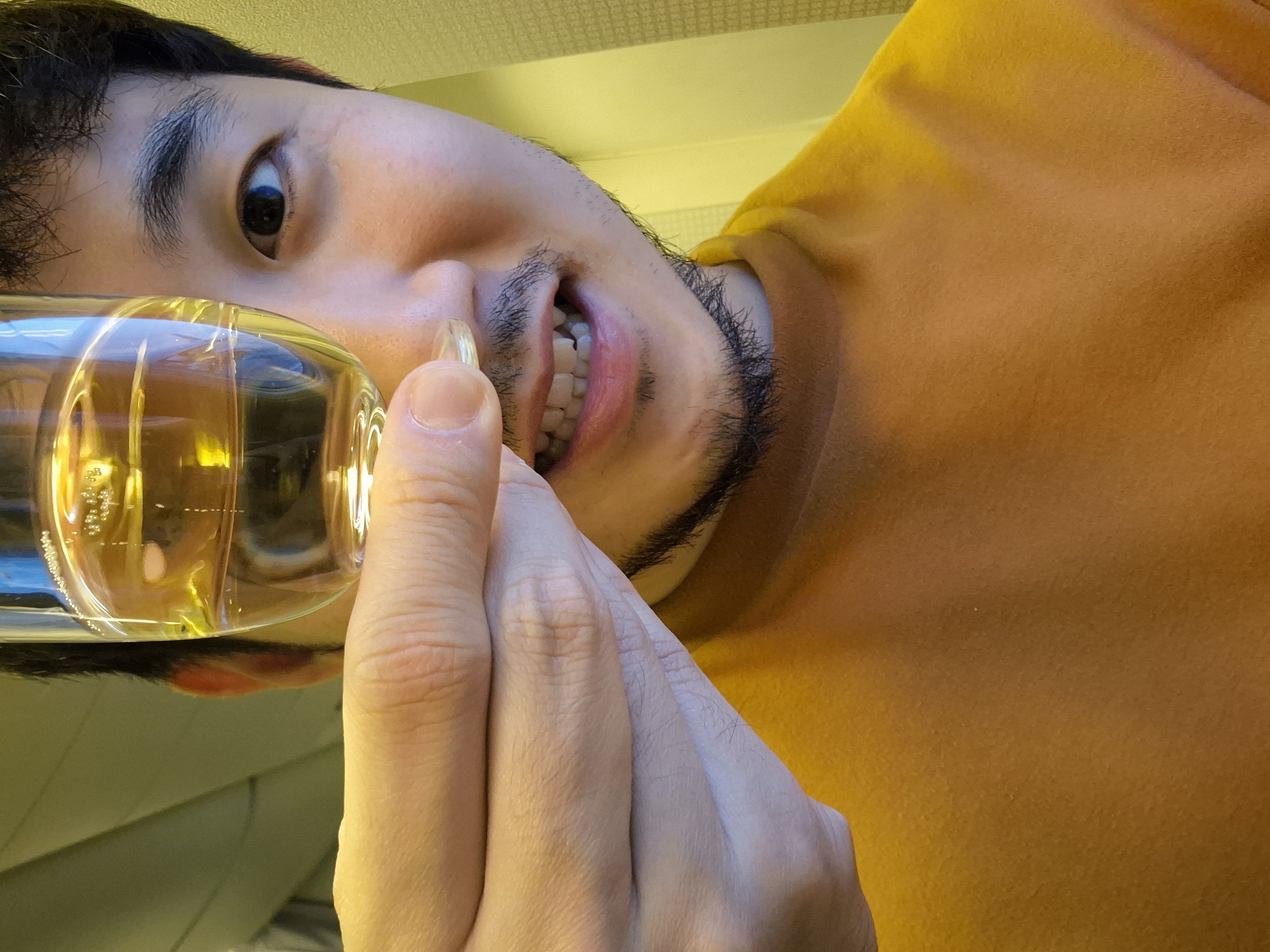
The flight was canceled. The airport in Kathmandu would be closed by our arrival time, so we couldn’t take off.
There was no backup plan, no compensation.
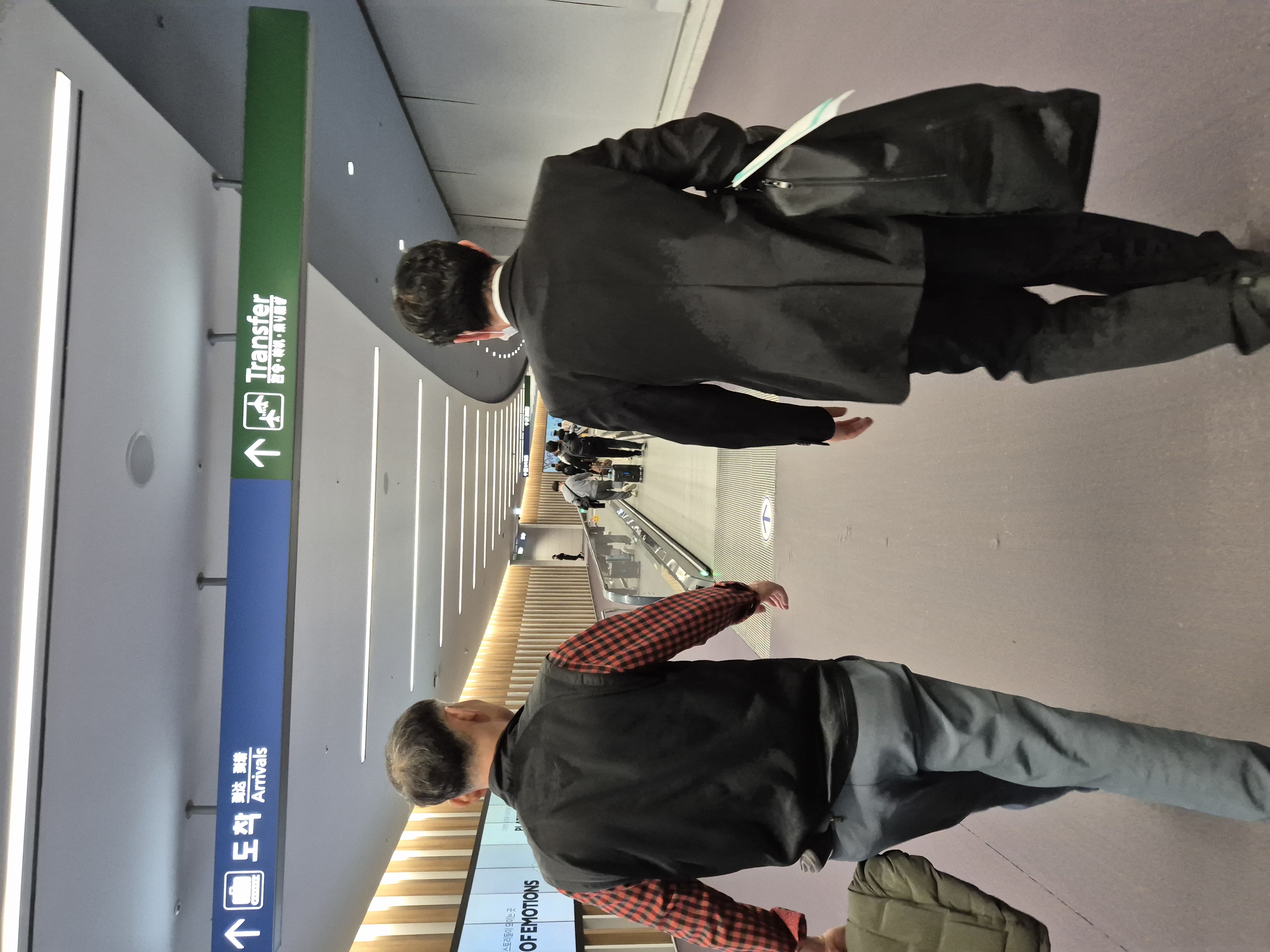
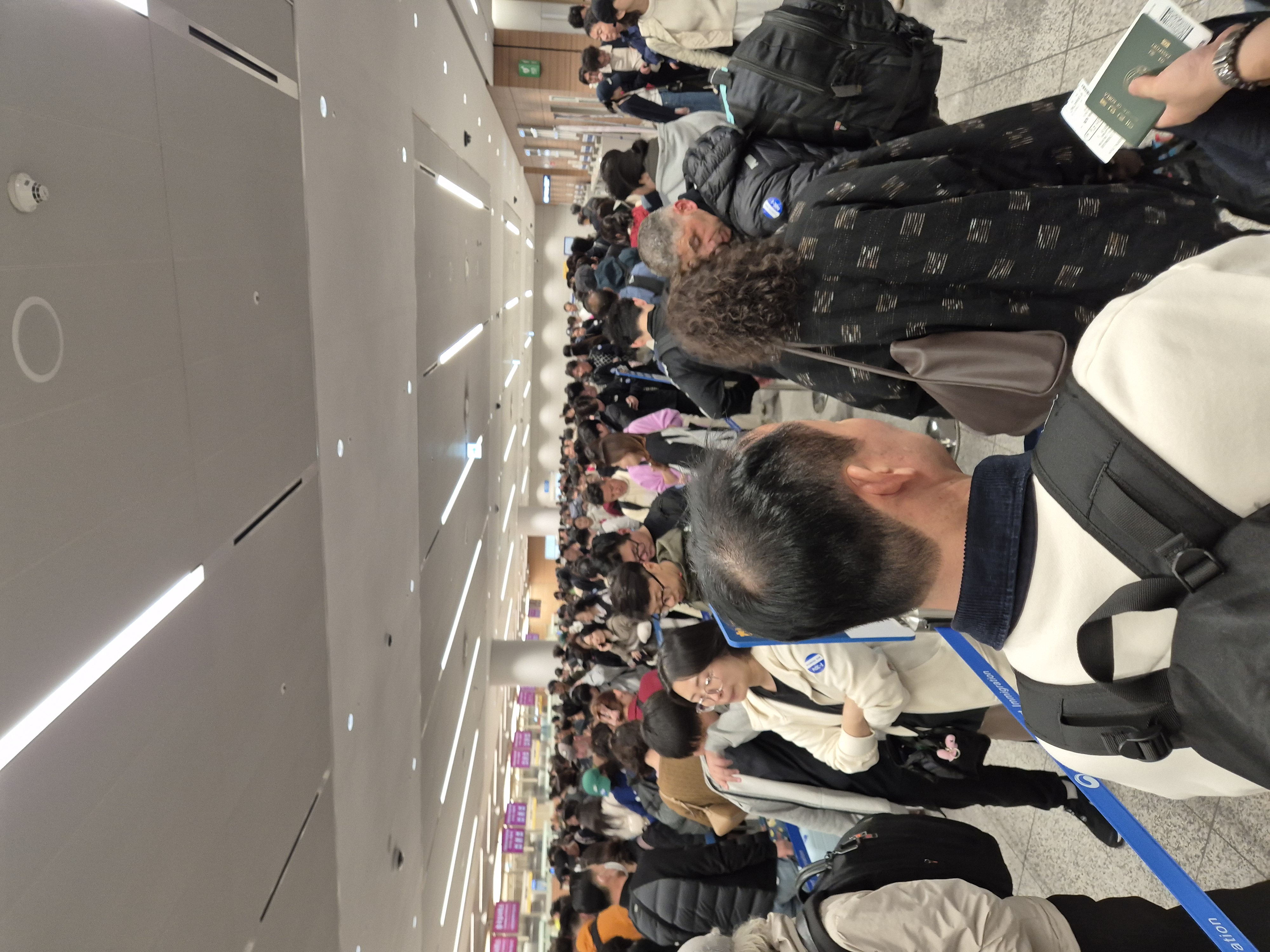
On the subway home, one thought stuck in my mind: ‘It’s not easy from the start.’
(The airport limousines had all stopped due to the snow. It was pure chaos.)
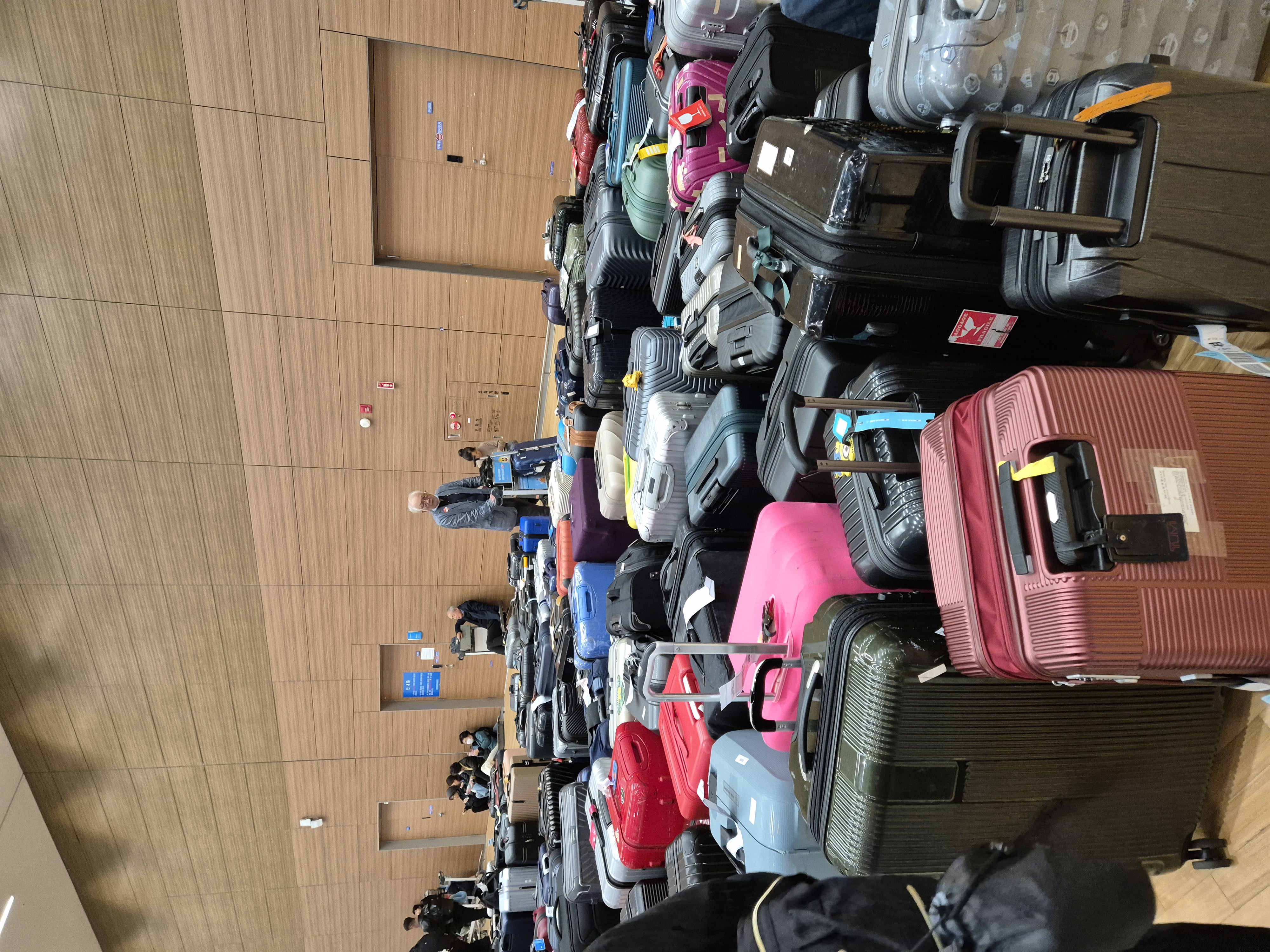
I was ready to give up. ‘Maybe this is a sign to stop. To postpone until spring.’
Just as I was trying to console myself, my father spoke.
“I’ll lost interest. If there’s a transfer flight, let’s just go now.”
I searched for tickets for the next day.
A 10-hour layover with China Eastern.
Sleeping in the airport... This was an itinerary for a 20-year-old.
But if we survived this, we would arrive only ‘one day’ behind our original schedule.
“I’m fine. Let’s go.”
His words stunned me.
“What?”
The day passed in a blur. I don’t even remember how I booked it. I woke up, and we were at the airport. We boarded the China Eastern flight. We slept for 10 hours on a sofa in the Guangzhou airport.
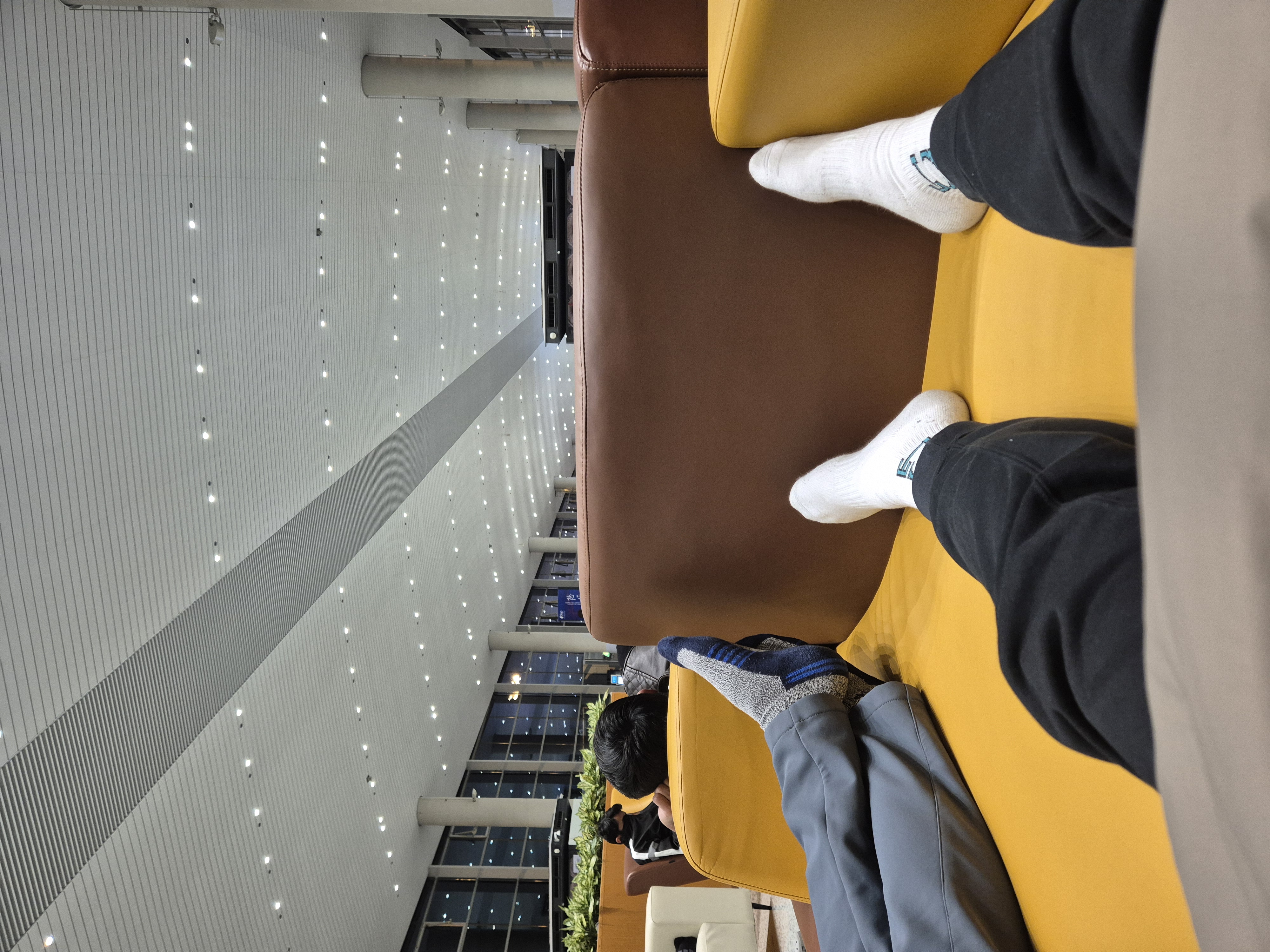
A son in his thirties and a father in his mid-sixties, conquering the Himalayas. My perfect plan... The business-class seats... That picture was gone. I had to laugh at our completely new reality—mixed with a small relief that we were, at least, doing it.

I took a sip of warm coffee. It felt like sitting in a sauna. We looked at each other, smiled as if nothing had happened, and spoke.
“Haha. Can’t believe we’re here.”
“Tell me about it. (Haha)”
I guess the ‘can-do’ spirit is hereditary. Our family’s reckless optimism couldn’t be stopped, not even by a record snowfall.
No time to wash, no time to sleep.
We landed in Kathmandu, the air thick and ghostly with smog.
- The first shock: our guide program didn’t include accommodation or food.
- The second shock: they didn’t take cards, or even US dollars.
From this point on, I just decided to let go. To go with the flow. In truth, if I didn’t, I felt I would give up entirely.
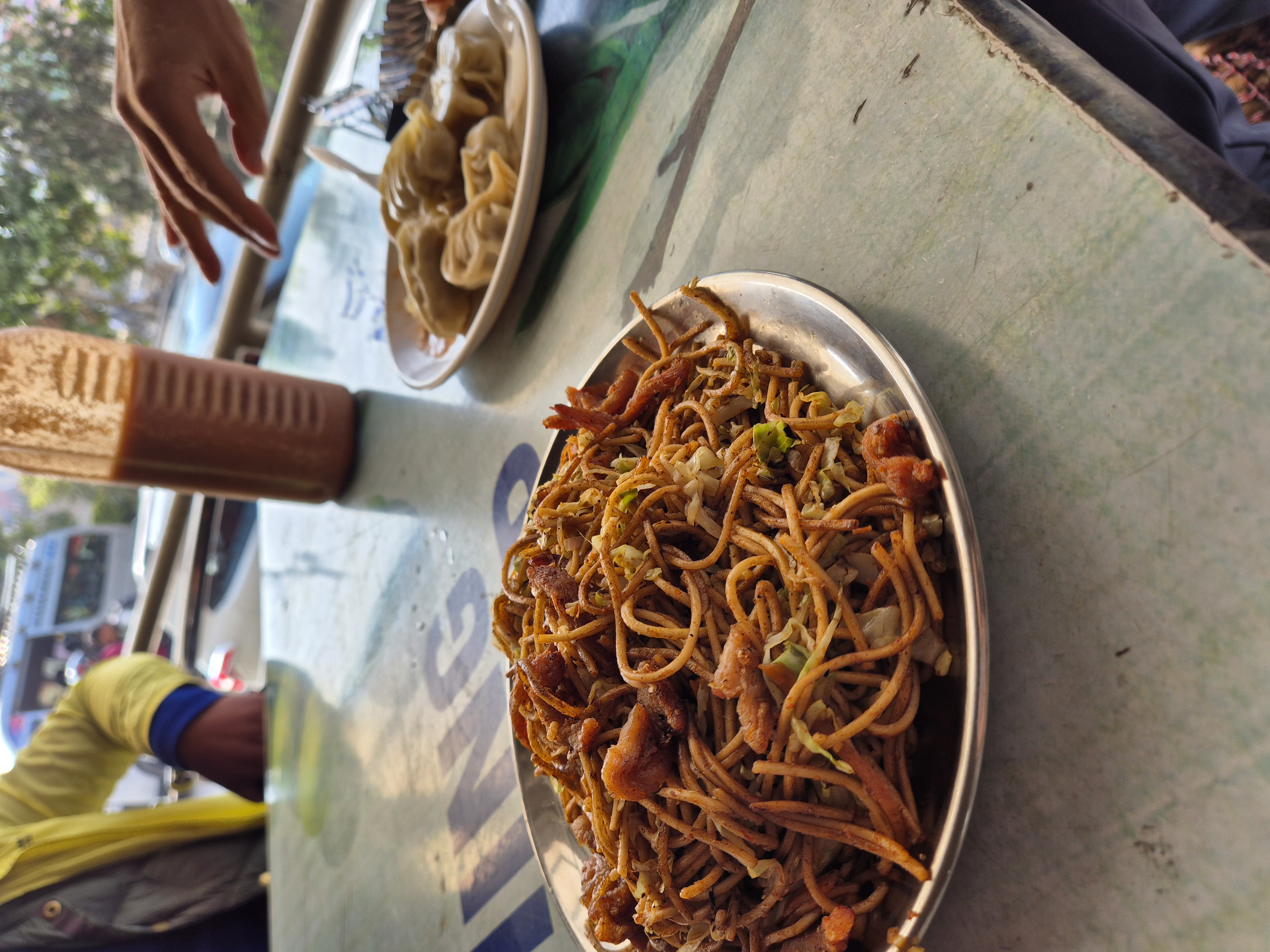
We somehow exchanged for Nepalese Rupees. A thick wad of cash I couldn’t even count. No time to check if the exchange rate was right. We were immediately loaded onto a rattling vehicle for 5 hours. It wasn’t a bus—it was a jeep, or something like it. We raced toward the starting point, trying to make up for lost time.
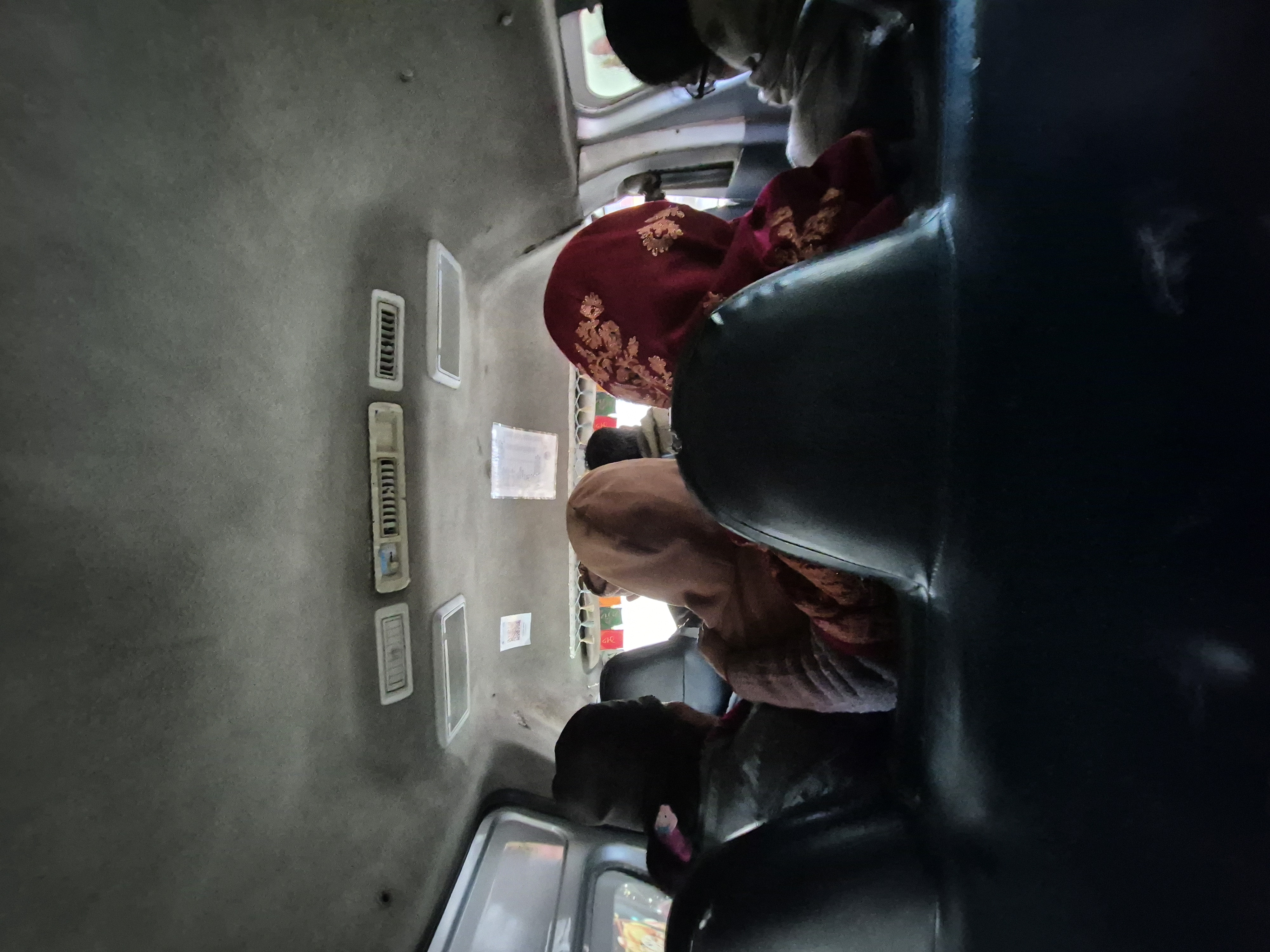
It had been almost 40 hours with no real sleep. I was in a daze. For my father, it must have been an extreme endurance test.
The trek hadn’t even begun,
but we were already exhausted.
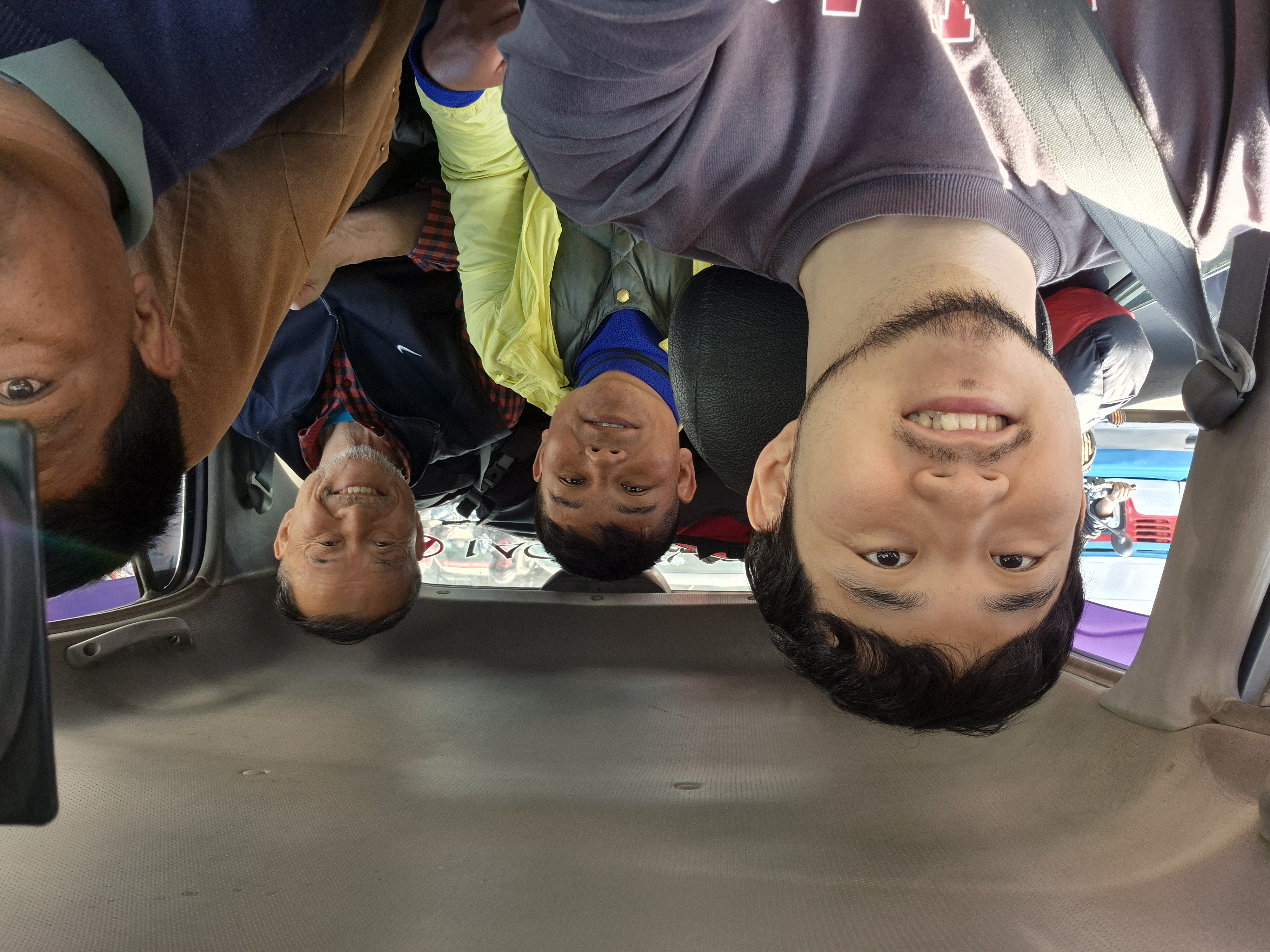
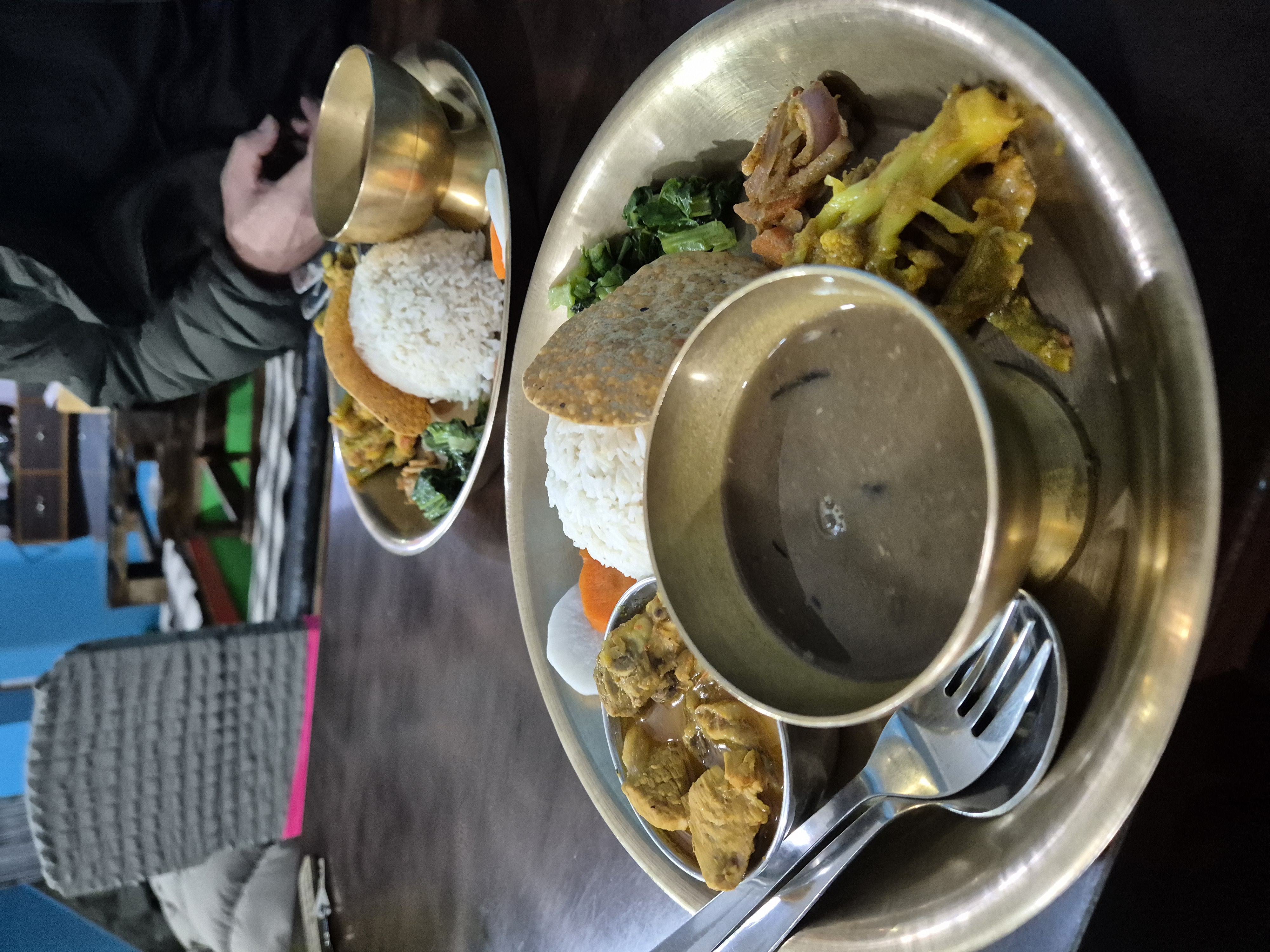
We were still reeling from the ridiculous schedule. Our guide insisted, “You have to eat,” so we shoveled the bland food into our mouths. Then we walked.
And walked.
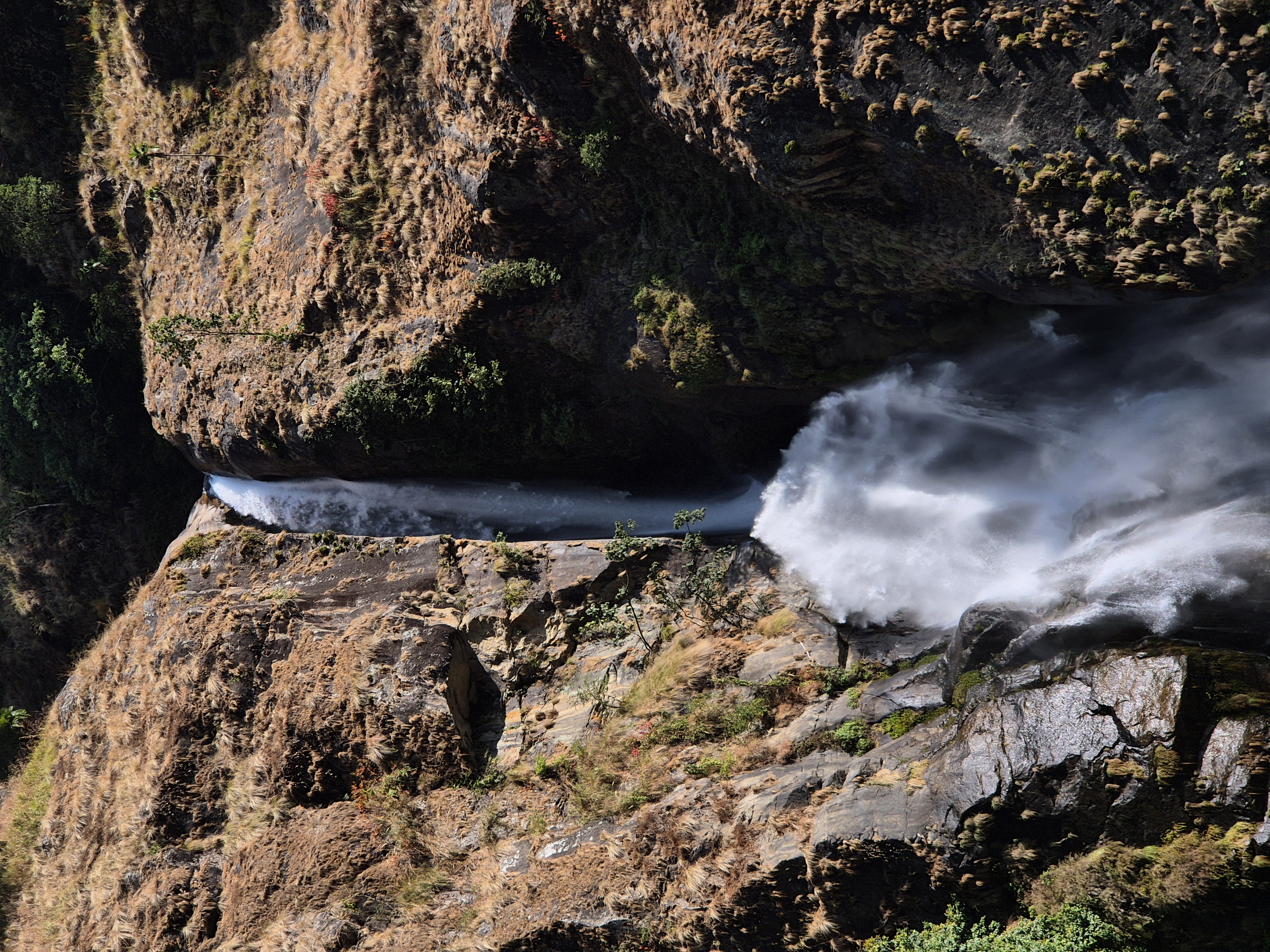
Usually on a hike, the beautiful scenery gives you strength when you’re tired. But the scenery was of ‘no’ help. The road ahead was just too long.
The day to climb to Tilicho Lake* arrived.
The first of the two toughest trials on the Thorong La Pass.
Just as I was thinking, ‘But everything up to now was a trial!’, the altitude sickness hit.
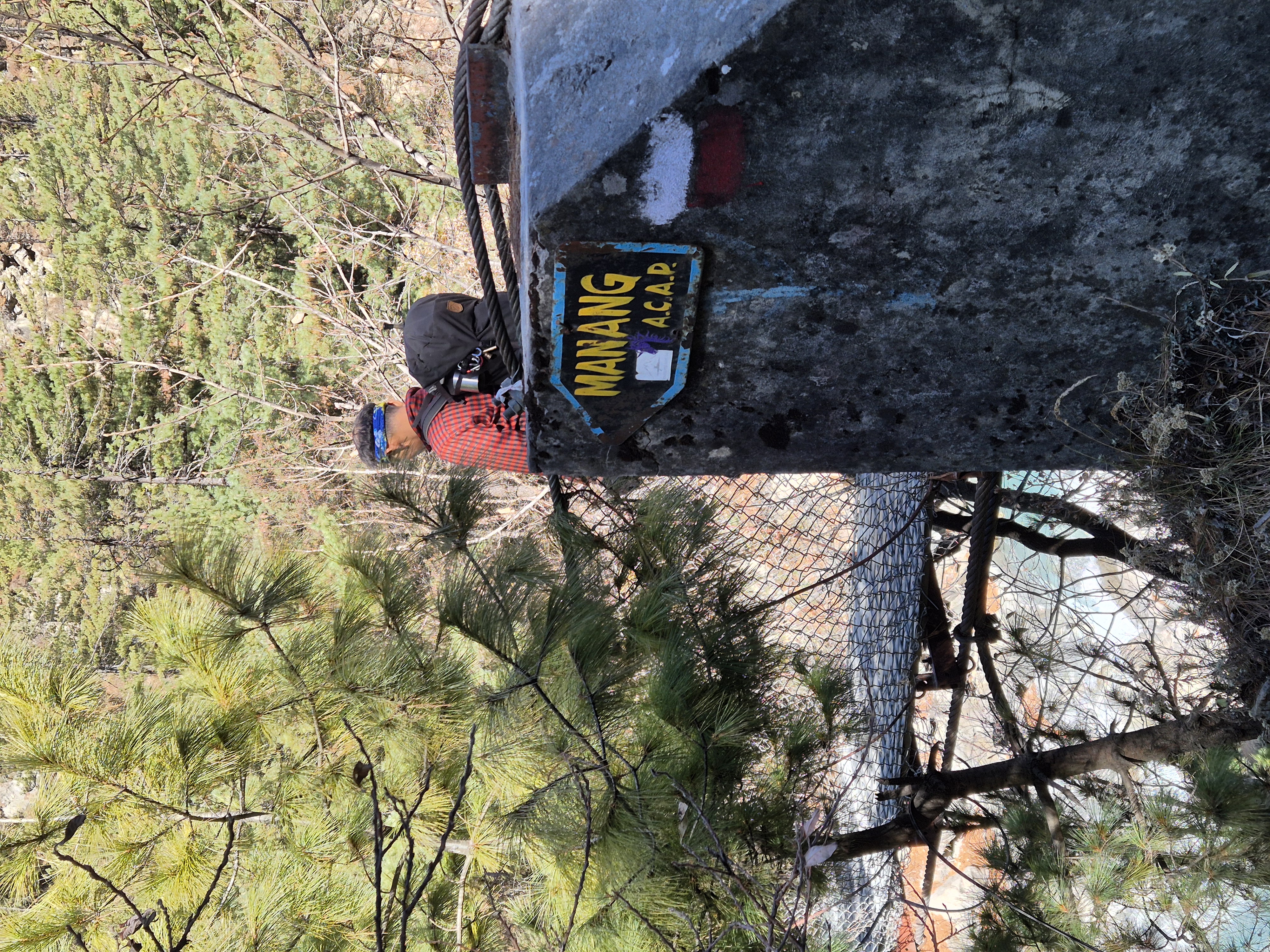
My exhausted father.
A churning stomach.
A fog-filled head.
An endless path.
Nothing was right.
All we could do was take one more step.
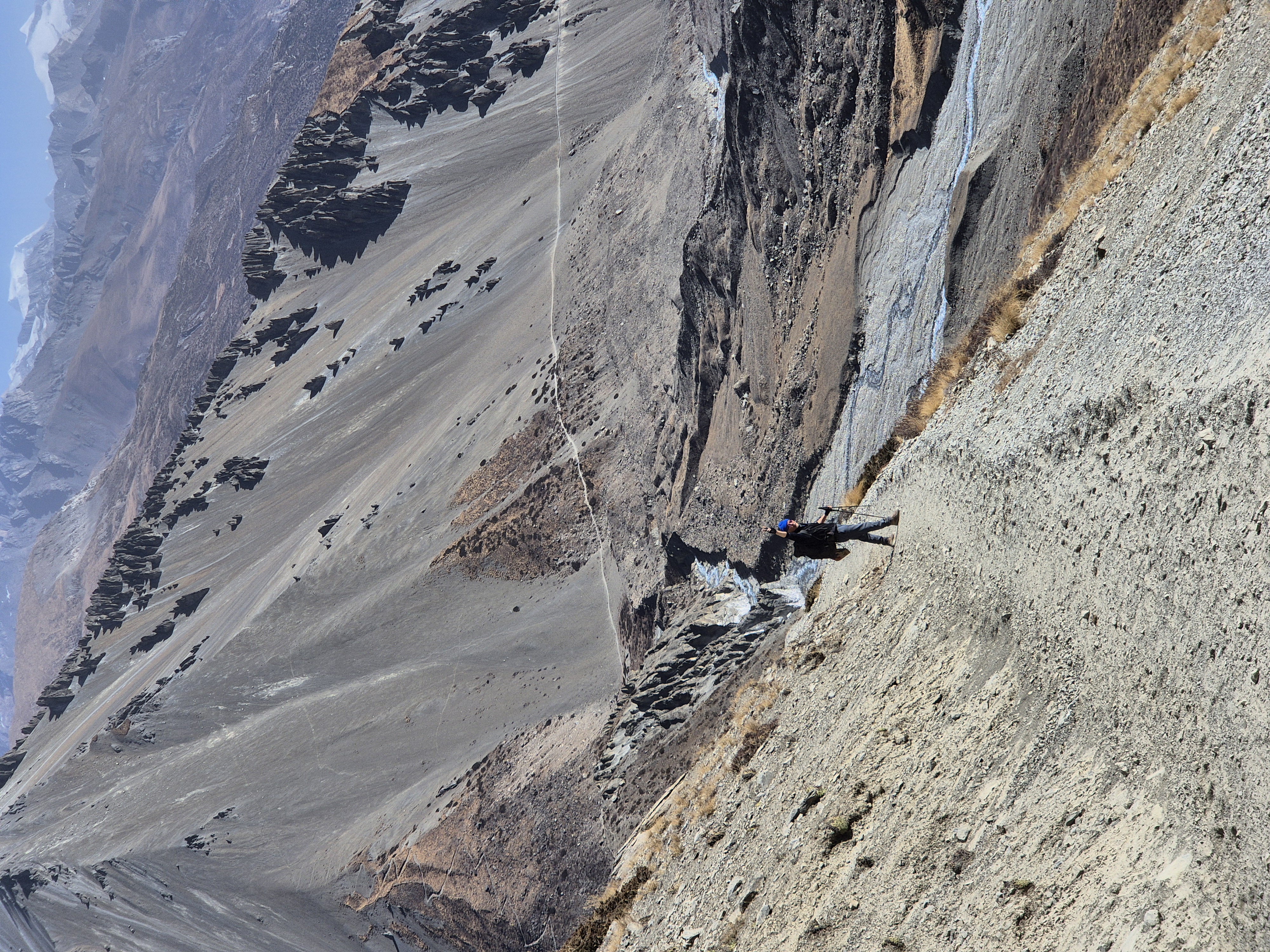
A thousand voices argued in my head.
‘Can we really do this?’
‘If I get sick? Or if Dad gets sick?’
‘If it’s this hard now... is it too dangerous?’
‘If we’re going to quit, shouldn’t we just quit now?’
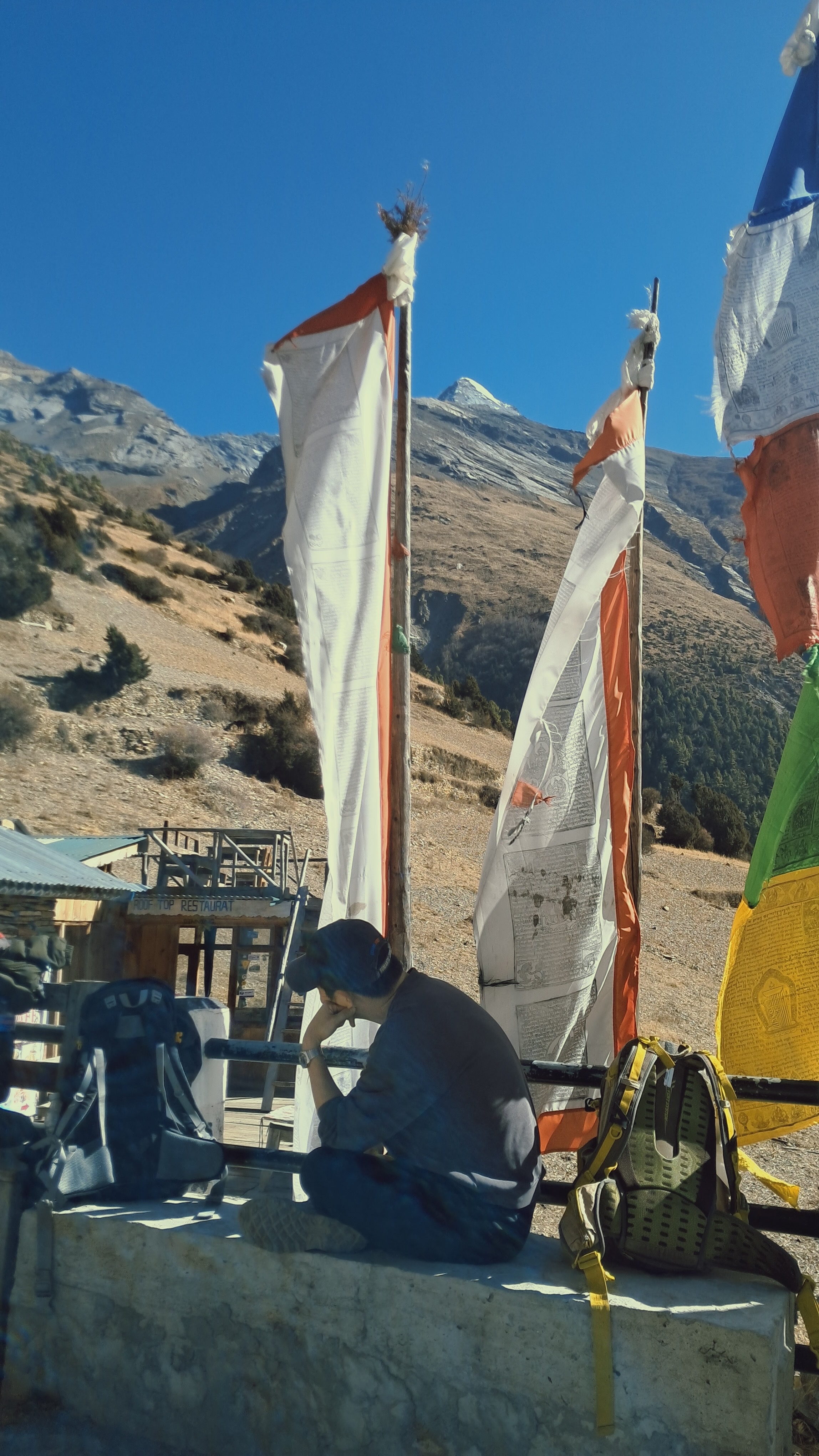
I thought of that moment right before I left.
Losing my team. That helpless feeling as the project stopped.
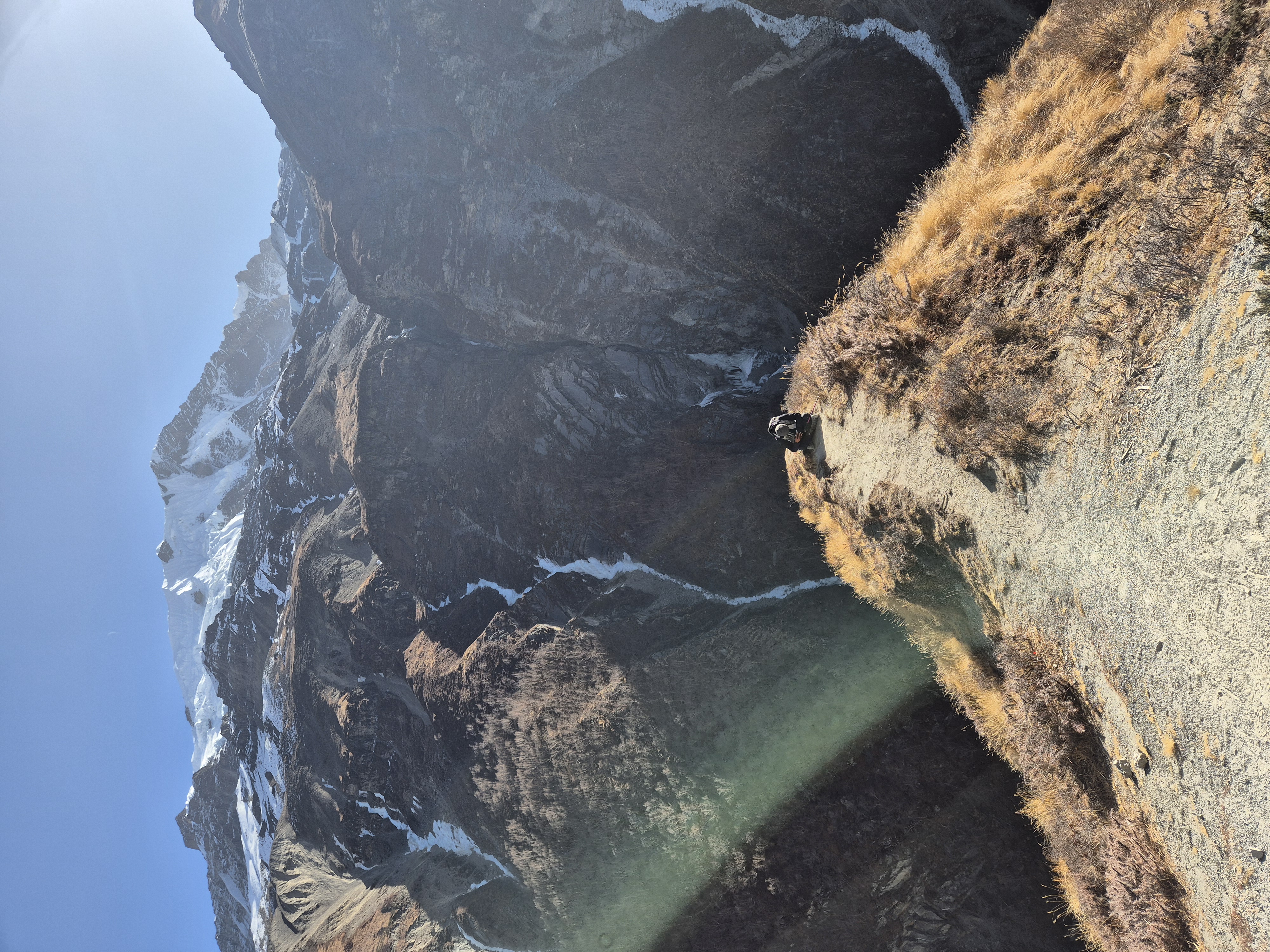
It felt like the mountain itself was asking me.
In all this pain, do you have a reason to keep walking?
(End of Part 2. To be continued in Part 3)
- Author’s Note: Tilicho Lake is a high-altitude lake located at 4,919m (16,138 ft).
A World Traveler’s Small Stories & Insights Published every Monday and Friday.
Are you an entrepreneur? Struggling with an unsolvable problem?
Check out the travel content below for more problem-solving insights:
The Pilgrimage: Content from the Footsteps of Famous Figures